
Last updated November 16, 2026
 Home additions & ADU
 Kitchen remodeling
 Bathroom remodeling
 Roofing
 Windows & doors
 Driveway & pavers
 Fence
Free written scope consultation - allowances, timeline, and change-order rules on paper before a single trade is scheduled
Seasonal Construction Care for Hayward: Year-Round Homeowner’s Guide
Most homeowners think damage happens during storms. In Hayward, it happens in the weeks between them. Our rainy season dumps the bulk of its moisture into roughly four months, then hands the property over to a long, bright, dry stretch. That rapid wet-to-dry swing works on caulk, grout, wood joints, and concrete far harder than steady weather does. Materials swell, then shrink, and the cycle repeats every year. The homeowners who come out ahead aren’t the ones who react fastest to a leak. They’re the ones who work the calendar in order. This guide maps the right task to the right month in Hayward’s actual weather cycle, from fall prep through summer sealing, plus the maintenance log that pays for itself at claim time.
Quick Answer
Seasonal construction care in Hayward follows a four-part cycle: inspect and seal in early fall before the rain, monitor for active water intrusion during winter, assess concrete, stucco, and wood in early spring before the surface dries and hides the damage, then reseal and address heat stress on roofing and hardscape in summer. Handle these in sequence and you’re maintaining the property. Skip them and you’re eventually repairing it. A rolling 12-month log ties the whole loop together and doubles as documentation for insurance claims and sale disclosures.
Styles & brands we work with
- Kitchen remodeling
- Bathroom remodeling
- Home additions & ADU
- Roofing
- Windows & doors
- Driveway & pavers
- Fence
Table of Contents
- Fall Pre-Rain Checklist for Hayward Homes
- Winter Monitoring: Active Leaks vs. Cosmetic Staining
- Spring Post-Rain Assessment: Concrete, Stucco, and Wood
- Summer Sealing and Heat Stress on South-Facing Roofs
- Driveway and Paver Care Through the Wet-to-Dry Cycle
- Fence Posts, Joints, and the Rot That Starts Underground
- Building a Rolling 12-Month Maintenance Log
- Common Mistakes to Avoid
Fall Pre-Rain Checklist for Hayward Homes
Fall is the only window where you can seal things dry. Once the first real rain soaks into a joint, you lose the chance to fix it cleanly and you spend the rest of winter watching for symptoms instead. Work this list in October and early November, before the wet months settle in.
- Roof flashing: Walk the perimeter a safe distance back and check the metal at the chimney, vents, and wall transitions. Flashing is where most roof leaks begin, not the field shingles. Look for lifted, rusted, or unsealed edges. Get up close only with proper fall protection, or have a technician handle it.
- Paver joint integrity: Scan the joints for washed-out sand and loose units. Refill with polymeric sand while the surface is dry and stable. Missing joint sand lets water drive straight under the pavers and lift them from the base.
- Fence post bases: Look at where each post meets the ground and where it meets the rail. Soft wood, splitting, or a post that rocks in the ground means water has already been working there. Catch it before the rain loads the joint.
- Gutter capacity: Clear gutters and downspouts and check that downspouts discharge well away from the foundation. Gutters sized for a slow drizzle struggle when the season’s rain arrives faster than they can carry it.
- Caulk and weatherstrip at windows and doors: Check exterior seals around frames. A cracked bead is cheap to renew now and expensive to remediate once interior framing takes on moisture.
- Touch up stucco cracks: Hairline cracks are normal. Larger ones, or any crack that crosses a corner, deserve attention before the wet season tests them.
We work with a lot of Hayward homeowners who run this list once and then realize it prevented three or four separate repairs the following winter. If any item on it looks beyond a homeowner’s comfort level, that’s the right time to bring in a trade professional rather than wait for the proof to show up on the ceiling.
Winter Monitoring: Active Leaks vs. Cosmetic Staining
During the wet months, your job shifts from fixing to observing. The key skill is telling active water intrusion apart from cosmetic staining that can wait for spring. Getting this wrong in either direction costs you: ignore an active leak and you’re into framing and insulation, panic over a stain and you’re paying for a repair you didn’t need yet.
Active water intrusion shows these signs:
- Staining or darkening that grows or moves after each rain
- Soft, spongy drywall or bubbling paint near ceilings and corners
- Musty odor that strengthens during rainy stretches
- Visible drips, or water trails running down a wall or framing
- Grout or caulk lines that darken and stay dark
Cosmetic staining that can usually wait for spring:
- A faint, old water mark that hasn’t changed size or color in a season
- Exterior discoloration on stucco or concrete with no softness or transfer
- Surface rust on flashings that isn’t lifting away from the substrate
The rule of thumb: track changes, not presence. If a mark is stable through two rainfalls, note it and reassess in the spring. If it grows, changes, or smells, treat it as active and get it looked at. Water that’s already found a path rarely closes itself off. In our experience, the calls that turn into big remediation are the ones where an active leak sat through the rainy season because the homeowner assumed it was an old stain.
If you find evidence of an active leak, don’t attempt to trace it yourself from the interior or cut into drywall to find the source. Water hides behind layers, and a technician can map the path faster than you can chase it. Call (833) 510-5312. We answer 24/7, and fast dispatch runs from 7am to 7pm, Sunday through Friday.
Spring Post-Rain Assessment: Concrete, Stucco, and Wood
Here’s the timing problem most homeowners miss. After the wet season, the surface of concrete, stucco, and wood dries fast under the returning sun, and once it’s dry it can look fine even when the damage is already there. Spring is the window where moisture-related problems are still visible. Use it.
- Concrete: Check driveways, walkways, and slabs for new or widened cracks, spalling at edges, and any section that’s dropped or risen relative to its neighbor. Cracks that open after the wet season often point to base movement, not just surface stress.
- Stucco: Look for cracks that widened over winter, areas that sound hollow when tapped, and staining that reads as moisture held behind the cladding. Cracks at corners and around penetrations matter most.
- Wood: On fences, trim, and fascia, look for joint separation, raised nail heads, and any wood that’s soft or discolored. Even surfaces that look fine should be checked with a light probe and firm thumb pressure at joints.
- Drainage: Check the grade around the foundation. Soil that has settled over winter can leave a low spot that traps water against the house next fall.
- Paint and caulk: Once surfaces are fully dry and the weather warms, this is a good time to renew any bead that failed over the wet season.
Spring is also the right moment to photograph everything. Fresh damage is easy to overlook when the surface dries and blends in. A quick photo set now gives you a clean before-and-after record if you do interior repair later, and it’s exactly the sort of dated documentation that strengthens an insurance claim. In Hayward’s climate the wet-dry transition is the whole story of property wear, and spring is your last clear look at what the transition actually did.
Summer Sealing and Heat Stress on South-Facing Roofs
Summer is when Hayward’s dry, UV-intense months do their own kind of damage. The sun doesn’t just fade surfaces; it dries them out and drives heat into the roof deck. This is the season to reseal and to watch the surfaces taking the brunt.
When and why to reseal concrete and pavers: Seal after the wet season has passed and the surface has had time to dry fully, when no rain is expected for a stretch. A cured sealant keeps water out of the joint sand and slows surface UV wear. Sealing a wet or still-damp surface traps moisture and causes it to fail early, which is why the task waits for summer rather than following immediately on the wet season.
Heat effect on roofing: South-facing slopes take the most direct sun and run hotter than the rest of the roof. Materials there weather faster. Asphalt shingles lose surface granules, sealant strips at courses can soften, and dark surfaces pull more heat into the framing below. Watch south-facing slopes for granule loss, lifted or hairline-split shingles, and any area where the roof looks grayer than the slopes facing elsewhere. Metal flashings also expand and contract with daily heat, which is one more reason flashing needs a look each year.
Concrete driveways under summer sun should be assessed for cracks that open as the slab heats, and any flaking at the edges. If a large area of a driveway or paver field is failing, the crew that installs the pavers is the right team to assess it, which is why we bring paver base and joint work up front rather than patching symptom by symptom.
Whatever gets repaired in summer should be resealed again before the wet season returns. The autumn checklist then opens with surfaces that are already protected, which is the whole point of the sequence.
Driveway and Paver Care Through the Wet-to-Dry Cycle
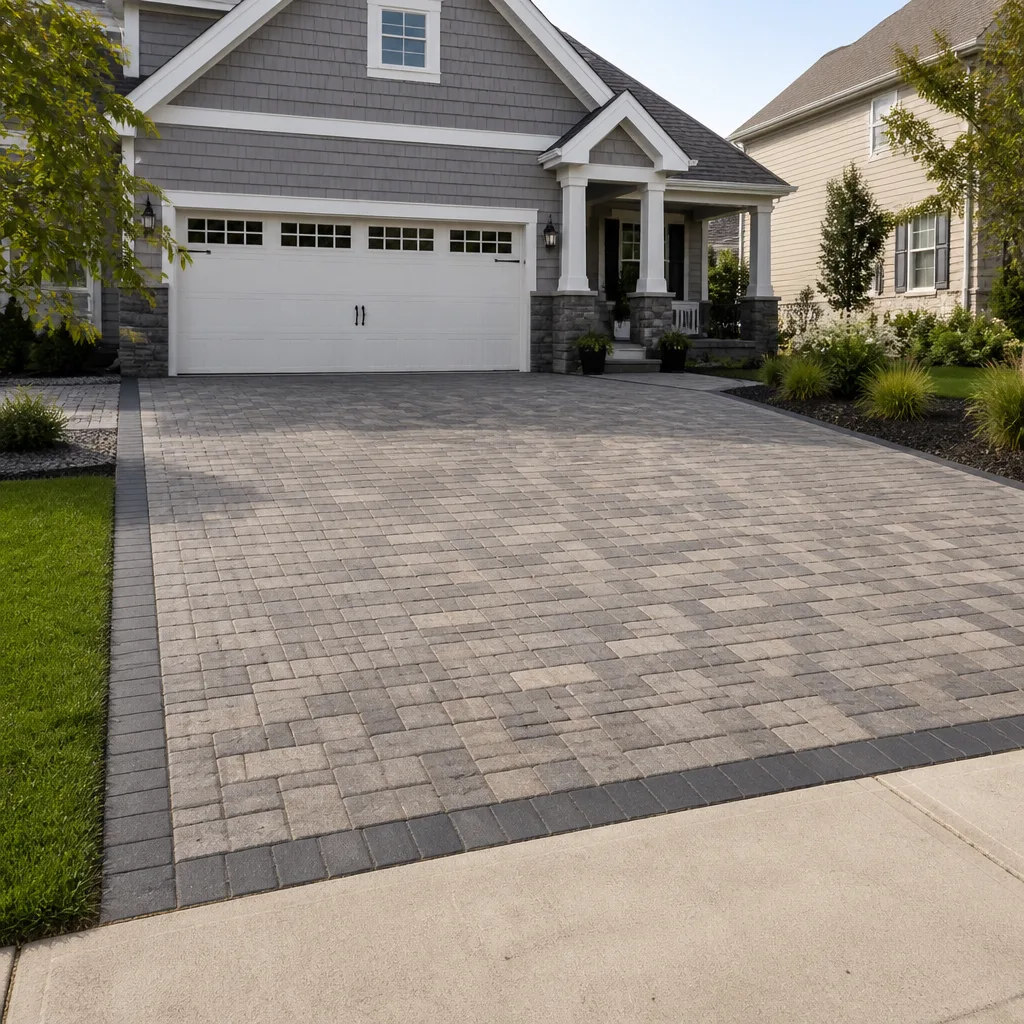
Pavers handle Hayward’s rain well when the base and joints are right, but the wet-to-dry cycle stresses exactly the parts homeowners don’t see. The drainage under the surface matters as much as the surface itself. Water that reaches a properly sloped base drains through; water that’s held in washed-out joints finds the edges and works on them.
For driveway & pavers, the annual routine is simple but easy to skip:
- Autumn: refill joint sand, confirm the grade drains away from the house, and clear any organic material that’s settled between units.
- Winter: avoid pressure-washing the field, which drives water into unprotected joints; note any unit that’s rocking or lifting rather than fixing it wet.
- Spring: check for new low spots or units that moved, and photograph the edges for your log.
- Summer: reseal, and repair any isolated unit while the surface is dry and the base is stable.
We specify from brands like Belgard, Unilock, Techo-Bloc, and Tremron because the material tier matters as much as the workmanship. A budget paver and a premium one age differently under the same sun and rain, and the right choice depends on the traffic and the exposure the field gets. You choose the material; we handle everything else, including the base prep that keeps the joints intact.
If your paver field is failing in a pattern rather than a spot, that points to base or drainage rather than the pavers themselves, and it’s worth a professional look before spending money on resealing.
Fence Posts, Joints, and the Rot That Starts Underground
Fence problems almost never begin where they’re visible. They begin where the post meets the soil, where water sits longest after each rain. A post face can look sound right up until it rocks. Check the base and the joints first, and let the wood tell you the story.
- Probe each post at the ground line and at the rail joint with a firm thumb and a small probe. Soft, spongy wood means moisture has been working.
- Check for post rock. A post that moves when you push it has base or soil issues that a surface fix won’t solve.
- Look for joint separation and raised fasteners. Wood shrinks and swells through the wet-dry cycle, and fasteners that back out are a sign the cycle is already moving the assembly.
- Confirm drainage away from the fence line. Ground that holds water against a base accelerates decay faster than any other factor.
- On metal and vinyl fences, look at the fasteners and the connections rather than the material faces; the connections are where wind loading and seasonal movement show up.
Material choice changes the maintenance rhythm. Wood needs the check above every season; vinyl, aluminum, and steel need less, but their connection points still deserve an annual look. For fence installation, we work with a range of fence brands including Ameristar, Jerith, Barrette, and ActiveYards, so material selection follows the exposure and the homeowner’s preference rather than what’s convenient. A fence that’s already soft at the base isn’t a repair job at that point; it’s replacement, and knowing the difference early saves you from patching a failing post every year.
Building a Rolling 12-Month Maintenance Log
The log is the piece that turns a list of tasks into real property value, because it’s also the record you’ll reach for at insurance claim time and at sale disclosure time. Keep it plain and dated; the format matters less than the habit.
What each entry should record:
- Date and a one-line description of what you did or observed
- Photos with the date visible (roof, flashing, paver joints, fence bases, stucco)
- Any repair or replacement, plus the material and brand used where known
- Any issue you’re tracking but haven’t fixed yet, and whether it changed
- Name of the contractor or the work’s scope on any repaired item
A simple rolling order:
- Early fall: run the pre-rain checklist, log each item and its status.
- Winter: log any observed intrusion, and update tracked issues.
- Early spring: assess concrete, stucco, and wood, and log the photo set before surfaces dry.
- Summer: reseal, log the product used, and note roof and heat observations.
An insurance claim is where this pays off. Insurers want to know when the problem started and whether it was actively maintained, and a dated log answers both. At sale, a buyer’s inspector wants to see the maintenance history, and a clean log reduces the feeling of unknown risk. In our experience, a well-kept log makes both conversations shorter and more favorable for the owner. Start it now with a dated photo set of every exterior surface, and keep it in cloud storage you’ll still have access to in a year.
When the Work Goes Beyond Care: Roofing, Kitchens, and Additions
Seasonal care keeps a property stable, but it also surfaces the moment when a repair tips into a project. A failing roof, a kitchen that no longer works for the household, or an addition that the family needs is a different kind of decision, and it’s one worth handling through a single point of accountability rather than a rotating cast of contractors. We cover the full envelope: Construction Hayward handles roofing, windows and doors, kitchens, bathrooms, pavers, and fences under one contractor, so the same team that seals your flashing in the fall is the one you’d call for a roof, a remodel, or an home additions & ADU project.
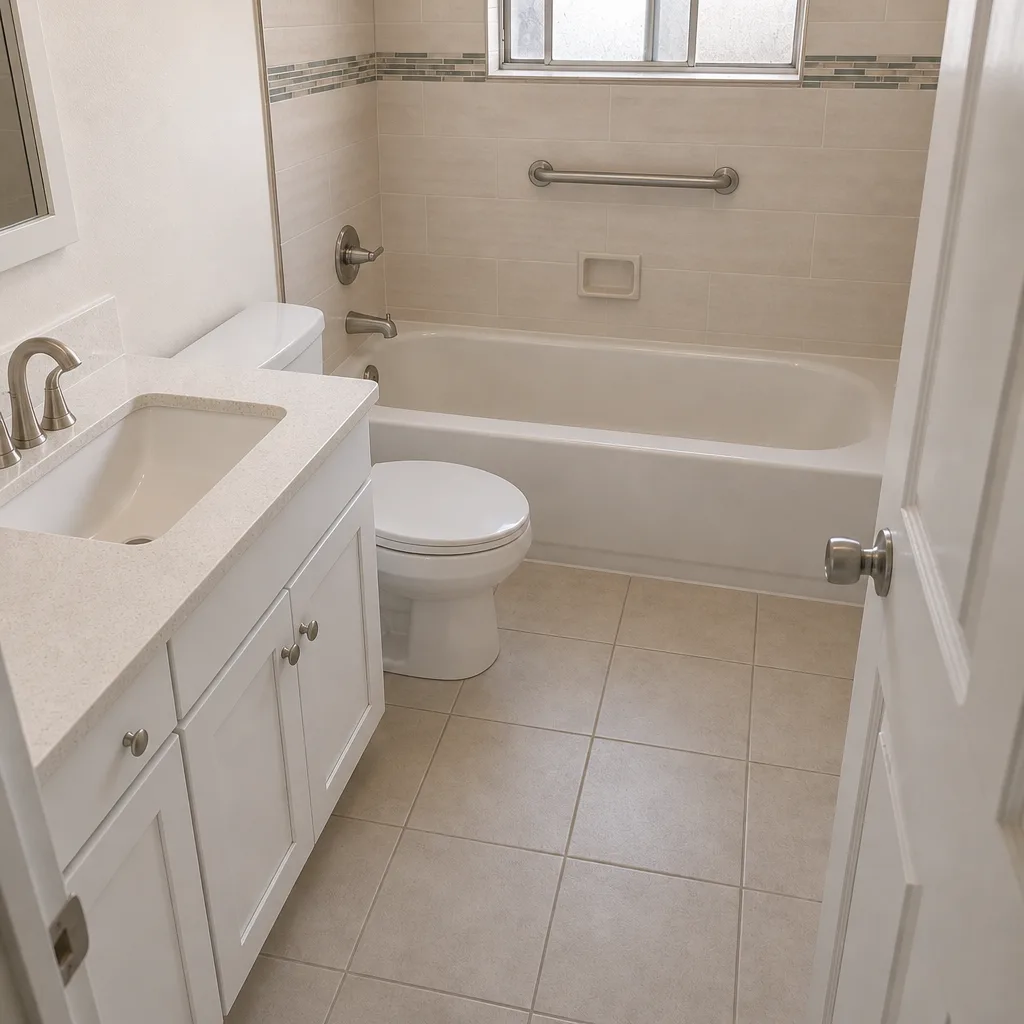
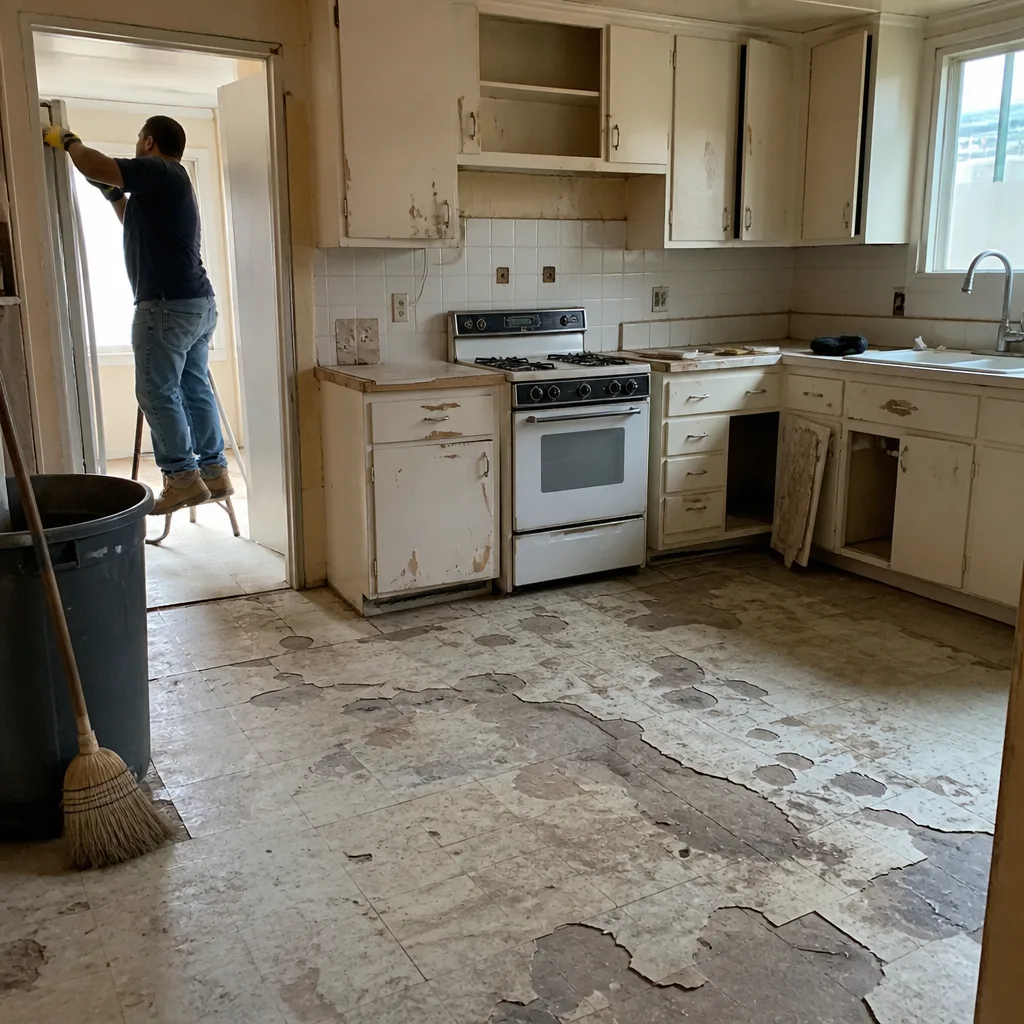
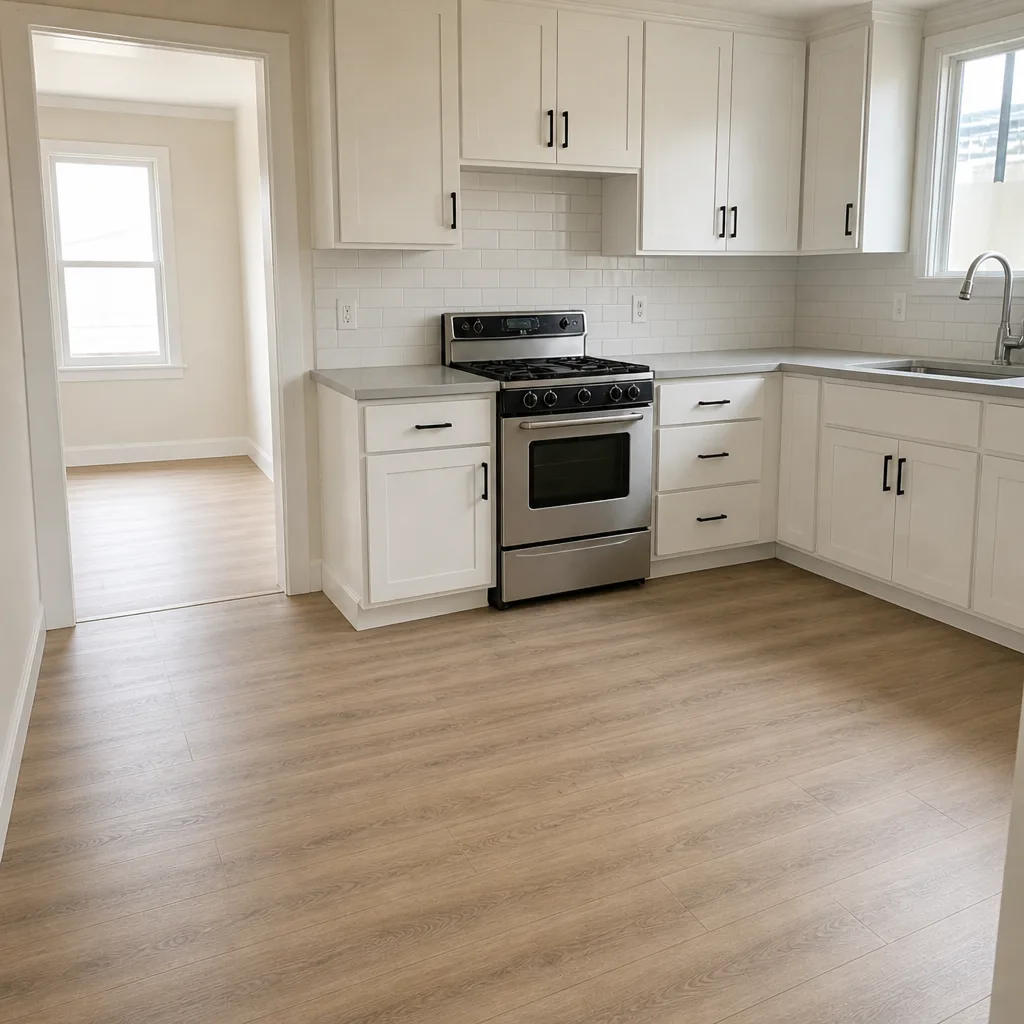
That continuity matters at decision time. Roofing material selection runs through GAF, CertainTeed, and Owens Corning. Kitchen cabinetry comes through KraftMaid and Wellborn, with countertops from Cambria, Silestone, and Caesarstone. Bathroom fixtures come from Kohler, Moen, Toto, and Grohe. For a full remodel, brands like Schluter support the moisture management behind tile, and American Standard or Toto fixtures set the standard for the finished room. We work with these brands because the choice of material belongs to the homeowner, not to whatever came off a dock.
Windows and doors are a case of matching product to climate, code, and budget rather than a single universal answer. For impact-rated lines we work with PGT and CGI; for premium thermal lines, Therma-Tru and ViewLux. ADU projects can go prefab or modular through established partnerships with manufacturers like Abodu, Dvele, Mighty Buildings, and Boxabl, which can compress timelines compared with stick-built alone. None of this is a replacement for seasonal care, but it’s what the care routine prepares you to do when the timing is right.
Common Mistakes to Avoid
- Resealing in spring while the surface is still damp. A sealant over a wet surface traps moisture and fails early. Wait for fully dry summer conditions.
- Pressure-washing paver joints in the wet season. High pressure scatters the joint sand and drives water into the base. Refill joints in the fall and restore them with care.
- Ignoring flashing until a leak shows inside. Flashing at the chimney, vents, and wall transitions is where roof leaks usually start. Check it every fall; a small renewal there is far cheaper than interior repair.
- Assuming an old water stain is only cosmetic. If it changes size or color after rain, it’s active. The wet season is when an active leak does the most damage.
- Patching a fence post that’s soft at the base. A post that rocks or turns soft at the ground line needs replacement at that point, not a surface fix that fails within a year.
- Skipping the post-rain assessment because the surface dried. In Hayward, dry surfaces hide wet-season damage. Do the concrete, stucco, and wood review in early spring, while the evidence is still visible.
- Keeping no record. A maintenance log that’s never organized is useless at claim and disclosure time. Photograph and date every surface once a season.
See the difference
 Before
 After
 Before
 After
 Before
 After
When to Call a Professional
Some of this work belongs in a homeowner’s own hands: clearing gutters, renewing caulk, refilling joint sand, and keeping the log current. Other tasks are worth bringing in a technician for. Call us when water intrusion is active rather than cosmetic, when flashing or a south-facing roof slope needs a real look, when a paver field is failing across a pattern, when a fence post is soft at the base, or when concrete and stucco show damage that could be structural. Our technicians have up to 11 years of experience, and we’re licensed and insured. Construction Hayward offers free estimates in Hayward. Call (833) 510-5312. We answer 24/7. Fast dispatch from 7am to 7pm, Sunday through Friday. On-Site in 60 Minutes.
Frequently Asked Questions
Seasonal care is priced per job by a free written estimate, not a flat fee, because the scope varies widely: a single flashing inspection is very different from resealing a full paver field or replacing a soft fence post. The written estimate sets the final price and lists the work line by line. Call (833) 510-5312 for an exact quote; estimates are free.
Summer, after the wet season has passed and the surface is fully dry, with no rain expected during cure. Sealing over a damp base traps moisture and shortens the seal’s life. If you’re unsure whether your surface is ready, call (833) 510-5312 and we’ll walk you through it; the estimate is free.
Track change, not presence. A stain that grows, changes color, or intensifies after each rain is active; a stable, faint mark that hasn’t moved in a season is usually cosmetic and can wait for spring. If you find soft drywall or a musty odor, treat it as active and call us at (833) 510-5312.
We handle permitting as part of the project. Most cities require a permit for roof replacement, additions, and structural changes, and the permit and inspections are part of the job scope, not something you chase separately. Ask about your specific project when you request your free estimate at (833) 510-5312.
No. The written estimate sets the price and lists the work line by line. If something unexpected surfaces once the work begins, we discuss it with you before any change, never after. Call (833) 510-5312 for a free written estimate.
Yes. The rain arrives in a concentrated stretch, then the dry, UV-intense summer follows, so caulk, grout, wood joints, and paver sand expand and contract faster than in regions with steady moisture. Working the four-part cycle in order is what keeps that wear from turning into repairs. Call (833) 510-5312 for a free assessment, and we’ll map the right order for your property.
The Bottom Line
Hayward homes don’t fail because of dramatic storms. They wear through a predictable cycle: a concentrated wet season, then a dry, high-UV one, repeated every year. The sequence is the whole game. Inspect and seal in early fall, monitor for active intrusion through winter, assess concrete, stucco, and wood in early spring before the surface dries, and reseal and address heat stress in summer. Keep a dated log throughout, and you hold the documentation you’ll want at claim time and sale time. Work the calendar in order and you’re maintaining the property; skip it and you’re eventually repairing it. Construction Hayward is here for the parts that belong to a professional, from flashing to pavers to a full remodel.
Ready to build your 12-month plan? Call (833) 510-5312. We answer 24/7. Fast dispatch from 7am to 7pm, Sunday through Friday. On-Site in 60 Minutes. Free written estimates, fixed pricing, permits pulled and inspections passed, and workmanship warranty on the job. One contractor from the driveway to the kitchen.
Written by the team at Construction Hayward.