
Last updated November 16, 2026
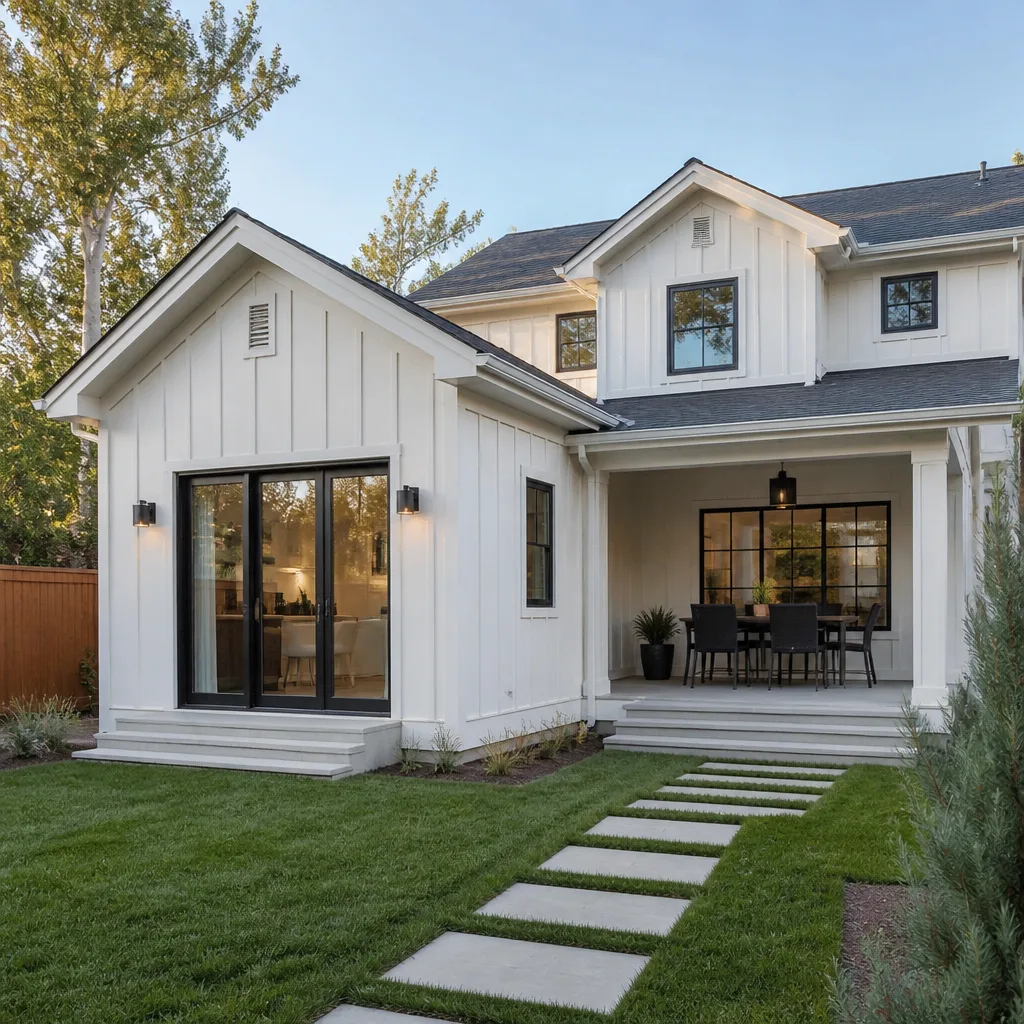 Home additions & ADU
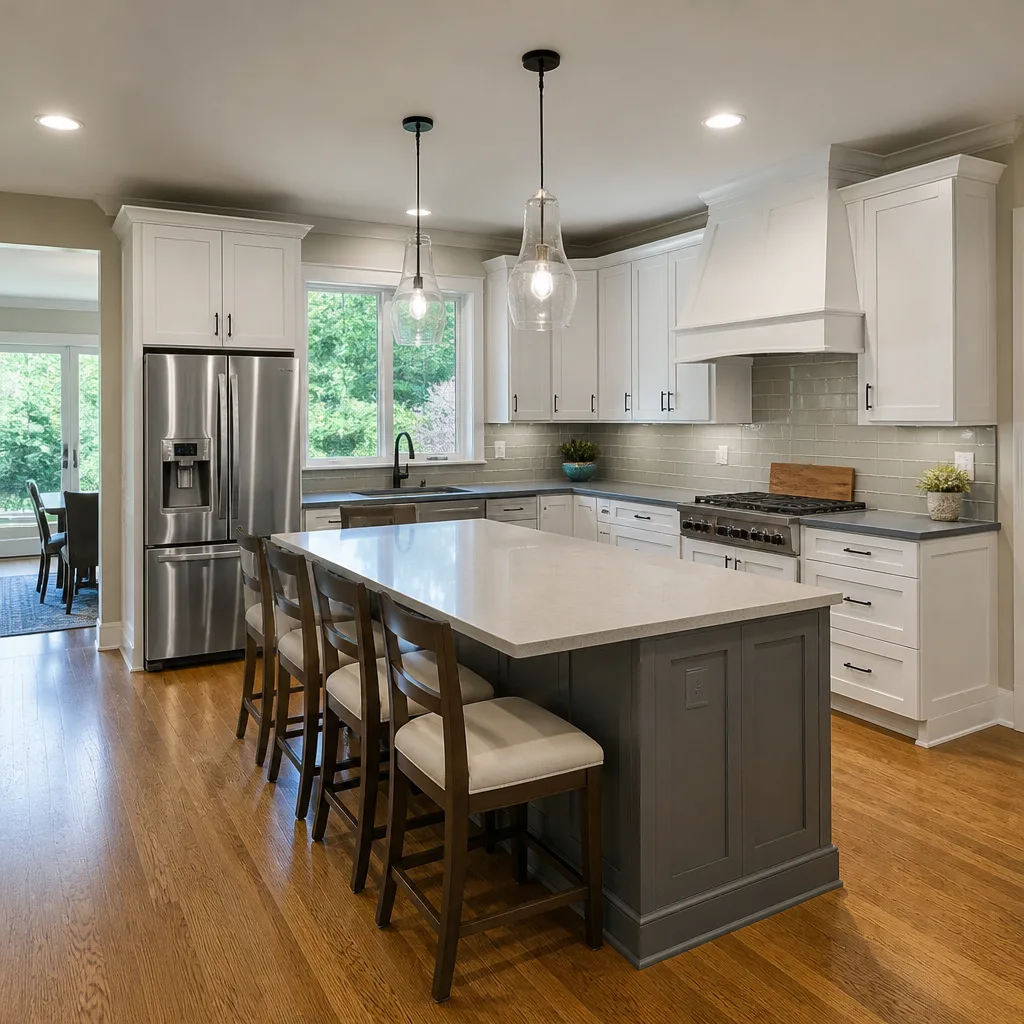 Kitchen remodeling
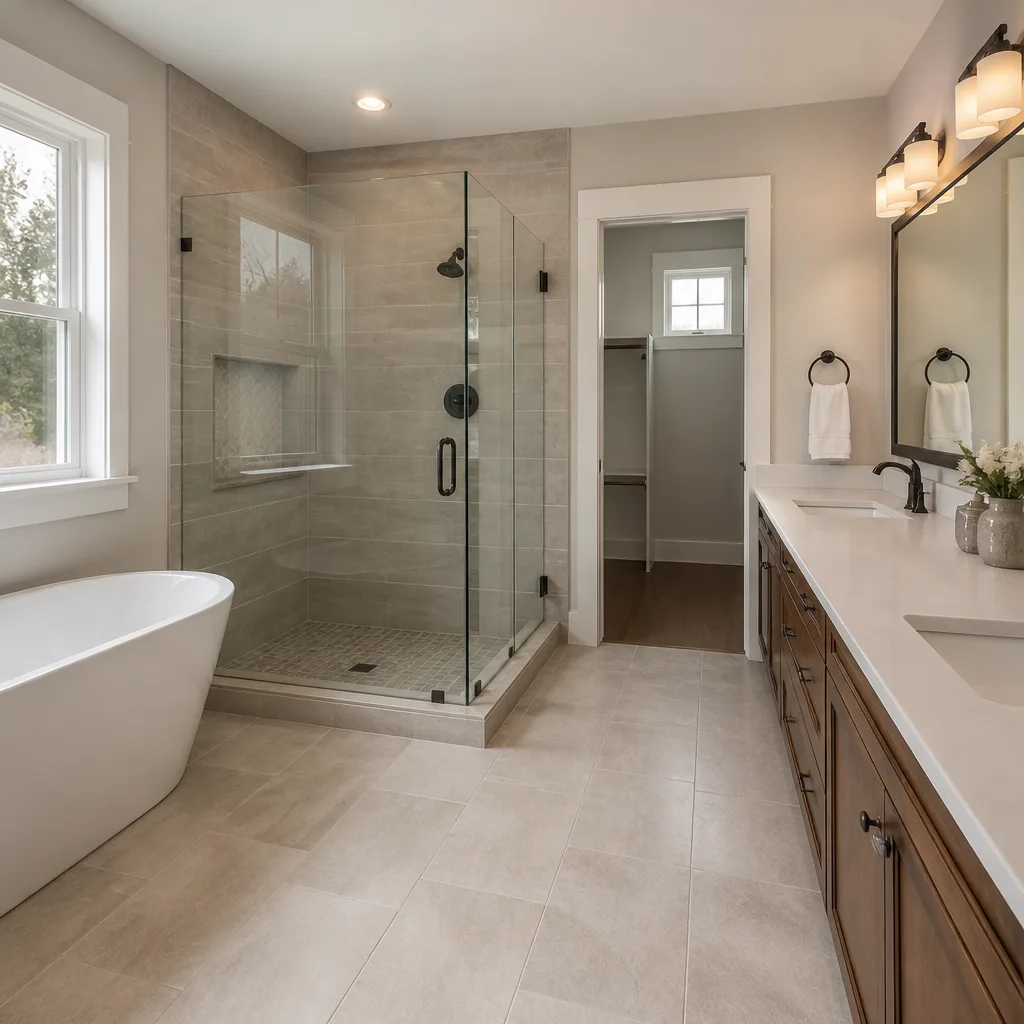 Bathroom remodeling
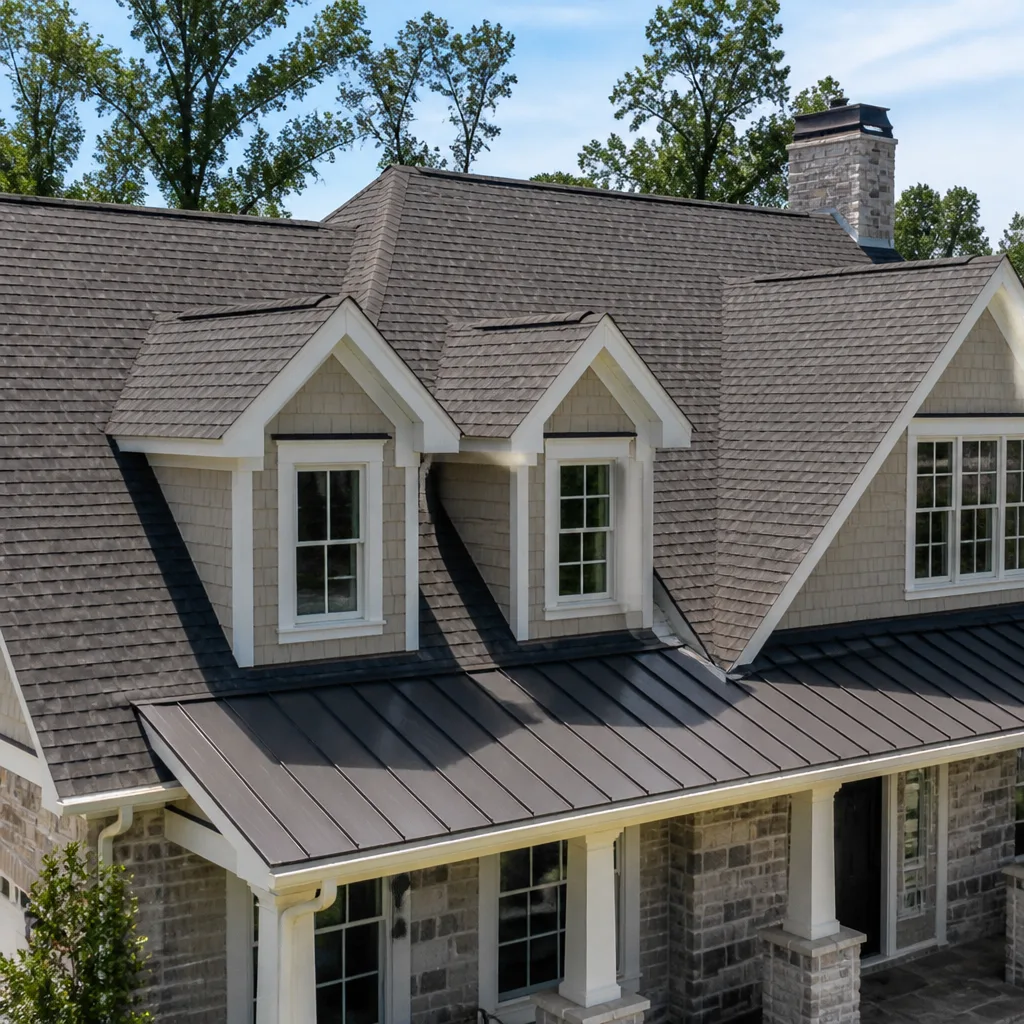 Roofing
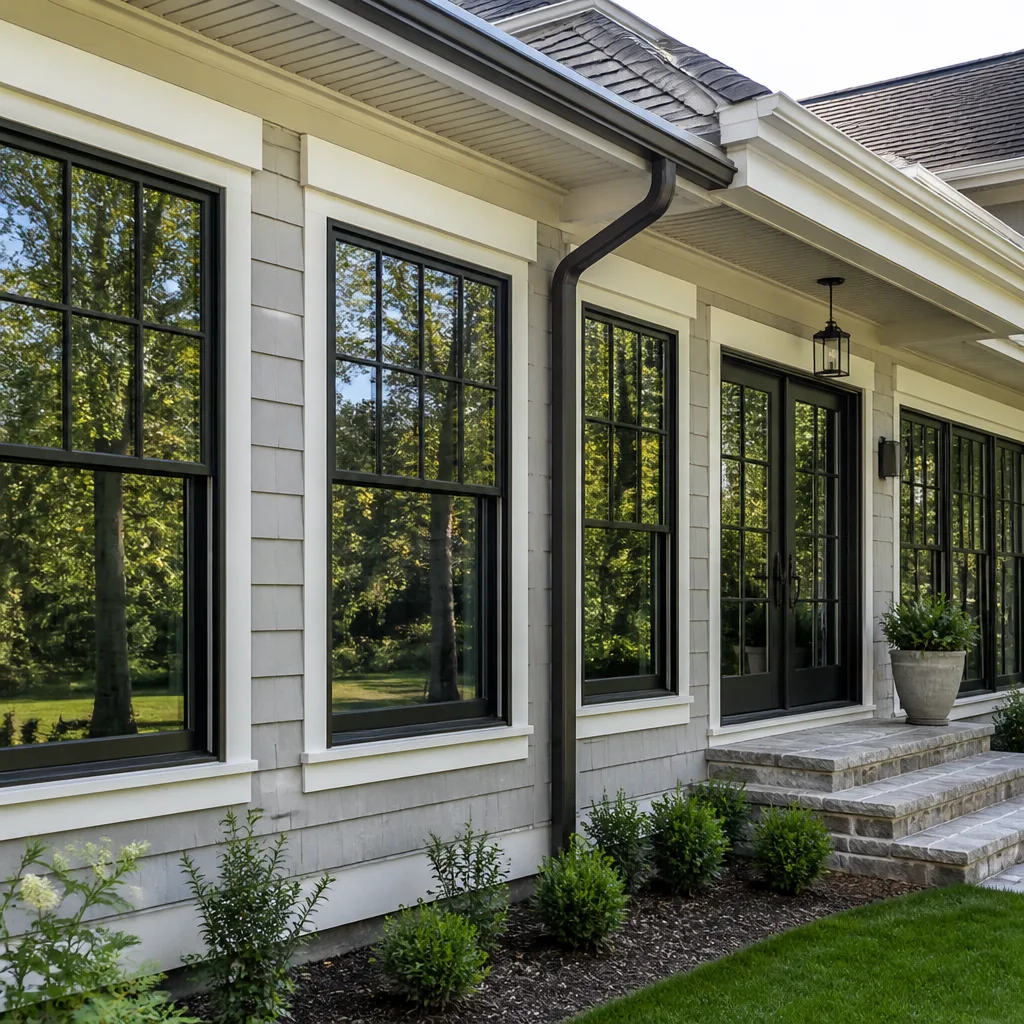 Windows & doors
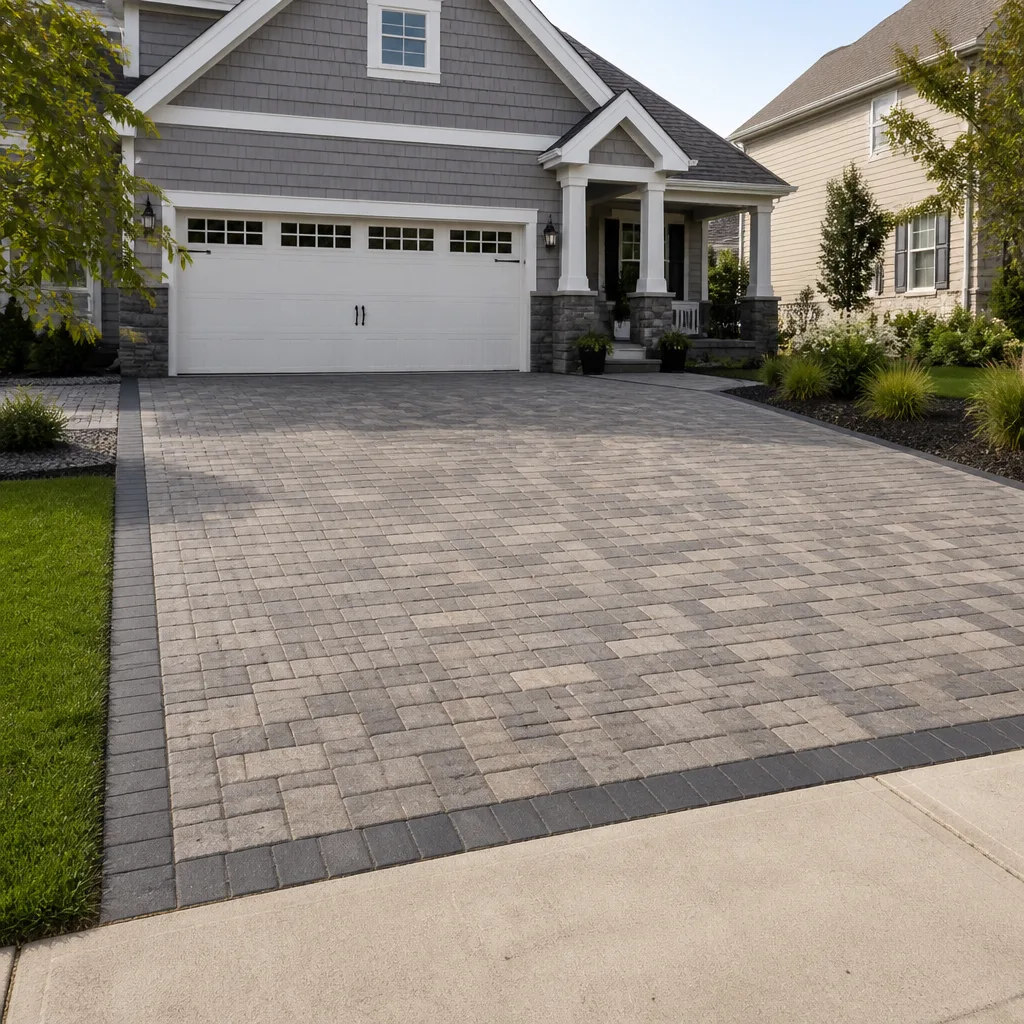 Driveway & pavers
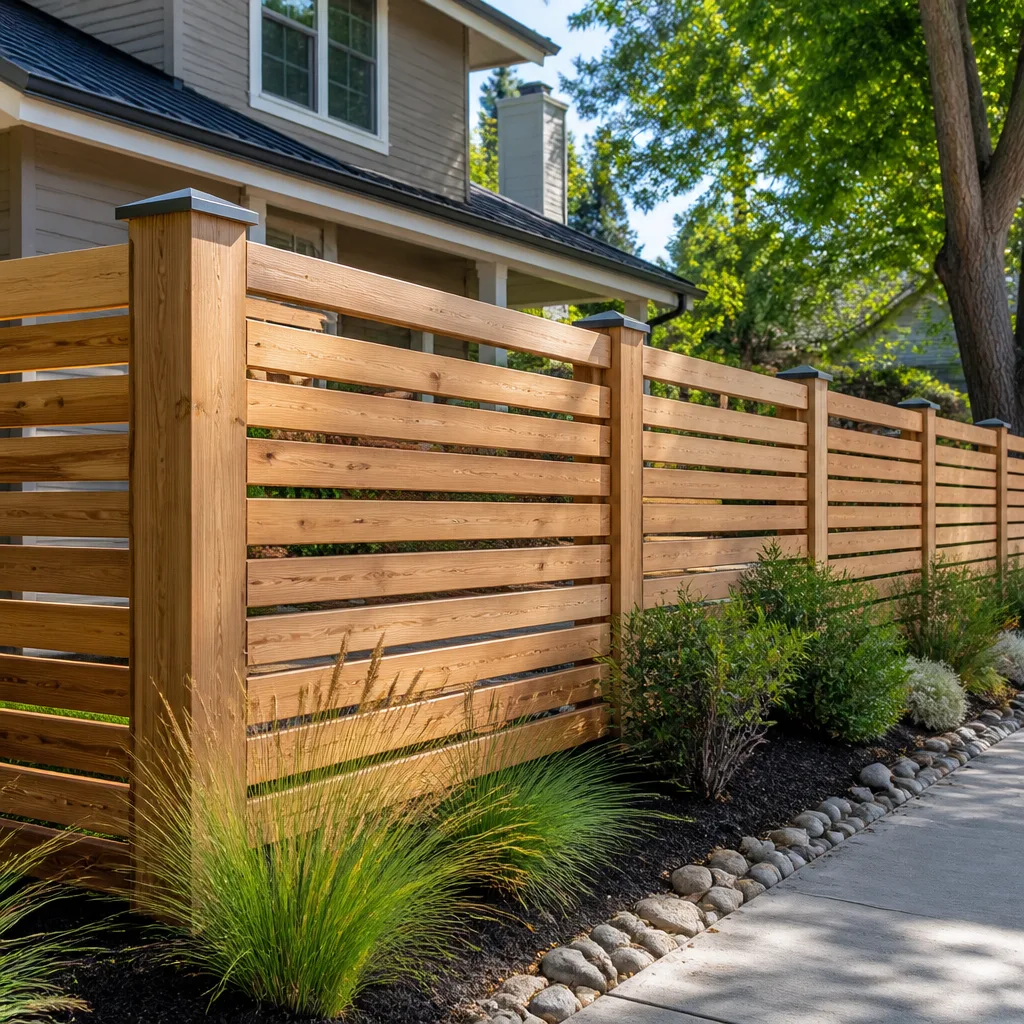 Fence
Free written scope consultation - allowances, timeline, and change-order rules on paper before a single trade is scheduled
Construction Cost Breakdown: The Hayward Homeowner’s Reference for 2026
The national average for a kitchen remodel is frequently cited as $25,000 – $40,000. In Hayward in 2026, that same scope runs $55,000 – $90,000 depending on layout changes, electrical panel capacity, and whether your existing cabinets require asbestos-era material abatement. The gap isn’t contractor markup. It’s Bay Area reality: Alameda County labor rates, materials inflation from supply chain normalization, and permit fee schedules that national averages never touch. If you budget from a website that publishes one number for the whole country, you’ll come in 20 – 35% low and face a hard conversation three weeks into demolition. This guide gives you Hayward-calibrated ranges by project type, with enough line-item detail to hold any quote you receive accountable.
Quick Answer
Construction costs in Hayward in 2026 run roughly $55,000 – $90,000 for a mid-tier kitchen remodel, $28,000 – $55,000 for a full bathroom, $180,000 – $320,000 for a detached ADU, $9,000 – $22,000 for a paver driveway, $14,000 – $28,000 for a full roof replacement, and $3,500 – $9,500 for a standard fence installation. Every one of those ranges assumes permits pulled, inspection costs included, and a written line-item estimate that sets the final price. The written estimate is what governs, not the range.
Styles & brands we work with
- Kitchen remodeling
- Bathroom remodeling
- Home additions & ADU
- Roofing
- Windows & doors
- Driveway & pavers
- Fence
Table of Contents
- Why Hayward Costs Run Above National Averages
- What Does a Kitchen Remodel Cost in Hayward?
- What Does a Bathroom Remodel Cost in Hayward?
- What Does an ADU or Home Addition Cost in Hayward?
- What Do Driveways, Roofs, and Fences Cost in Hayward?
- How Do Hayward Permits and Fees Change the Total?
- What Should You Know About Alameda County Labor Rates?
- How Much Contingency Do You Actually Need?
- What Does Coordination Really Cost You?
Why Hayward Costs Run Above National Averages
Hayward sits inside the tightest labor market in the state. Tradespeople who work here commute from across the East Bay, and their rates reflect a housing market that pushes wages up across every skill level. That’s the first pressure. The second is materials: lumber, gypsum, and cabinetry pricing normalized after the supply shocks of recent years, but normalized did not mean cheap. Framing lumber and sheet goods still sit well above where they were a decade ago, and imported finish materials carry Bay Area freight. The third pressure is local: Alameda County permit fee schedules and school development fees land on top of the contractor’s number, and out-of-area estimators routinely leave them out.
Add those three together and you get a cost structure that behaves differently from the rest of California. A tile setter charging a Fresno rate cannot work in Hayward. A cabinet line that prices well in the Central Valley carries added freight to an East Bay jobsite. And the permit desk at Hayward City Hall processes the same paperwork for a bathroom that it does for a larger project, so the fee floor is real.
- Labor: Alameda County journeyman rates sit above state median across most trades.
- Materials: Finish goods and cabinetry carry Bay Area freight; treated lumber and pavers price higher than inland.
- Permits: Hayward permit fees and school development fees are separate line items, not contractor overhead.
- Older housing stock: Much of Hayward’s housing was built mid-century, which raises the odds of panel upgrades, galvanized plumbing, and material abatement.
One quiet advantage of working in a place with this much mid-century housing: our technicians have up to 11 years of experience reading exactly what those homes put in front of them. That knowledge lives in the details of a bid, in what a contractor assumed versus what they actually looked at.
What Does a Kitchen Remodel Cost in Hayward?
A kitchen remodel in Hayward in 2026 runs roughly $55,000 – $90,000 for mid-tier work, $30,000 – $55,000 for a cosmetic refresh that keeps the layout, and $95,000 – $150,000 for a high-end scope with layout changes and panel work. The three tiers are not arbitrary. What separates them is the number of trades that touch the room and whether the electrical service gets upgraded.
- Cosmetic refresh (keep layout): $30,000 – $55,000. Cabinet refacing or paint, new countertops, new sink and faucet, paint, and a modest lighting package.
- Mid-tier full remodel: $55,000 – $90,000. New semi-custom cabinetry, stone countertops, new appliances, new backslash and floor tile, electrical work within the existing panel.
- High-end with layout change and new panel: $95,000 – $150,000. Custom cabinetry, premium stone, moved plumbing fixtures, panel upgrade, structural changes if a wall comes down.
What moves the number up
Removing a wall that turns out to be load-bearing adds a beam, an engineered design, and an inspection. Upgrading from a 100-amp to a 200-amp panel adds cost at the panel and at every circuit that gets re-pulled. Custom cabinetry from a line like KraftMaid or Wellborn costs more than semi-custom but buys exact fit in a room with a wonky mid-century ceiling line. Above-counter to under-counter lighting pulls more wire than the original permit assumed.
What moves it down
Keeping the sink and range where they are saves plumbing and gas work. Refacing existing cabinet boxes when they’re solid saves the cabinet package entirely. Choosing a quality quartz or solid surface in a mid-range pattern rather than a premium stone saves the countertop line. We work with Cambria, Silestone, and Caesarstone because each line has price tiers inside it; you choose the material, we handle everything else.
If your kitchen project is part of a larger scope, the same team that handles the interior can coordinate the exterior envelope, which matters if your home also needs siding. See our Construction Hayward overview for how the trades fit together under one contract.
What Does a Bathroom Remodel Cost in Hayward?
A full bathroom remodel in Hayward in 2026 runs roughly $28,000 – $55,000. A powder room or half bath runs $12,000 – $22,000. A tub-to-shower conversion with a modest tile package runs $18,000 – $30,000. The spread inside those ranges is driven by plumbing relocation, tile selection, and whether the existing rough-in is code-compliant.
- Half bath or powder room: $12,000 – $22,000. New vanity, toilet, sink, faucet, tile, and lighting.
- Tub-to-shower conversion: $18,000 – $30,000. Waterproofing, new drain line routing if the slope requires it, shower valve, and tile.
- Full bathroom remodel: $28,000 – $55,000. Full gut, new waterproofing system, new plumbing fixtures, tile throughout, new vanity and mirror package.
What moves the number up
Moving the toilet or shower drain add cost because the floor has to be opened. Galvanized supply lines discovered behind the wall mean re-piping that section. A curbless shower requires a linear drain and usually a recessed floor. Large-format tile costs more in labor because it demands a flatter substrate. Premium fixtures in Toto or Grohe move the plumbing line up; a standard Moen or Kohler line keeps it mid-range. Glass shower enclosures, including custom glass from a line like Mr-Glass, price by the panel and the hardware.
What moves it down
Keeping plumbing in place saves the most. Choosing a quality porcelain tile over natural stone saves both material and labor. A prefabricated shower pan costs less than a fully tiled floor and passes inspection. A curb-to-curb tub replacement in the same footprint keeps the plumbing untouched.
If your bathroom is one of several projects on your list, the driveway and pavers are often the next line item. See driveway & pavers for the ranges on that side of the property.
What Does an ADU or Home Addition Cost in Hayward?
A detached ADU in Hayward in 2026 runs roughly $180,000 – $320,000 for a stick-built unit and $140,000 – $260,000 for a prefab or modular unit depending on finish level and site work. An attached home addition runs $220 – $380 per square foot, so a 500-square-foot addition lands around $110,000 – $190,000. These are the numbers that most often surprise people who priced from national averages, because site work and utility trenching in the East Bay carry real cost.
Two paths to an ADU
- Stick-built: The contractor frames on site. Highest flexibility on layout, longest timeline, and the cost curve tracks labor closely.
- Prefab or modular: A factory builds the unit in modules, and the site work plus set and connections complete the project. Shorter build time on the site and broader budget options. We work with manufacturers like Abodu, Dvele, Mighty Buildings, and Boxabl because each one sits at a different price point and each one handles a different site constraint.
What moves the number
Utility trenching from the main panel or main water line to the ADU location is a major line item; the longer the run, the higher the cost. Site slope affects foundation work. A panel upgrade to support a second kitchen and laundry affects the electrical line. Fire separation and setback requirements driven by where the unit sits affect both the design and the inspection path.
For a full breakdown of both ADU and addition scopes, see home additions & ADU.
What Do Driveways, Roofs, and Fences Cost in Hayward?
Exterior work in Hayward in 2026 runs roughly $9,000 – $22,000 for a paver driveway, $14,000 – $28,000 for a full roof replacement, and $3,500 – $9,500 for a standard fence installation. Those ranges assume professional installation, proper base prep for pavers, and code-compliant flashing work on the roof. The driveway and roof ranges are the two most often underestimated because base prep and decking repair are invisible in a quote that only lists the surface material.
Driveway and pavers
- Low tier: $9,000 – $13,000. Standard concrete pavers, basic base prep, straightforward access.
- Mid tier: $13,000 – $18,000. Architectural pavers, improved base, edge restraints, proper drainage fall.
- High tier: $18,000 – $22,000. Premium brand pavers, complex cutting, decorative border, integrated drainage.
We draw on seven masonry brands, including Belgard, Unilock, Tremron, and Techo-Bloc, because architectural and budget-tier applications live in different lines. Base prep is where the money goes and where cheap bids hide their gaps.
Roofing
- Low tier: $14,000 – $18,000. Standard architectural shingles, simple roof geometry, minimal decking repair.
- Mid tier: $18,000 – $23,000. Premium shingles from GAF, CertainTeed, or Owens Corning, upgraded underlayment, new flashing.
- High tier: $23,000 – $28,000. Complex geometry, decking replacement, ventilation upgrade, and new gutters.
Roof decking from a line like Atlas or Tamko can bring cost down without sacrificing the shingle warranty, and we work with those lines because each one has a place in the pricing curve. Roof work requires working at height, so we always recommend a trained professional rather than a homeowner attempt; the safety stakes are real.
Fencing
- Low tier: $3,500 – $5,500. Standard wood or basic vinyl, flat grade, standard height.
- Mid tier: $5,500 – $7,500. Premium vinyl or aluminum, sloped grade, gates and hardware.
- High tier: $7,500 – $9,500. Ornamental steel, custom heights, complex gate work.
Seven fence brands, including Barrette, Master Halco, and Ameristar, mean material-specific expertise across aluminum, vinyl, steel, and ornamental styles. For the full scope, see fence installation.
How Do Hayward Permits and Fees Change the Total?
Hayward permit fees and inspection costs typically add 4 – 9% to a project total, and school development fees apply to new square footage like an ADU or addition. A bathroom permit is not the same line item as an ADU permit. A roof replacement usually requires a permit as well. These costs are not negotiable, and they’re not included in any quote that says “permit fees not included” or “permit by owner.”
What the fee stack usually looks like
- Building permit fee: Scales with project valuation. Bathrooms and kitchens sit in one band; ADUs sit in a higher band.
- Electrical, plumbing, mechanical sub-permits: Each trade pulls its own permit line on a project of any size.
- Inspection costs: Multiple inspections on a full gut, and each one requires the work to be ready on the day.
- School development fees: Applied to new habitable square footage, not to remodeling that doesn’t add conditioned space.
Ask any contractor whether the permit line in their quote covers plan check, inspection, and final sign-off. A quote that leaves the permit out is not a lower bid; it’s an incomplete one. Our team pulls the permits and passes the inspections, and the written estimate includes what the permit desk requires.
What Should You Know About Alameda County Labor Rates?
Alameda County labor rates for residential construction run roughly 15 – 30% above the California median, and 40 – 60% above national means in the trades that carry the most training. That’s the honest number. It’s also the number that makes a suspiciously low bid worth a second look. When a quote comes in far below the local band, something is missing, and it’s almost never efficiency. It’s usually scope omission: no permit line, no base prep on the driveway, no waterproofing system in the bathroom, or a subcontracted crew whose rate is a signal on its own.
How to tell a low bid from a fair bid
- Check the permit line. If the quote says “permit by owner,” ask what that saves and what the city requires.
- Check the base prep. On pavers and driveways, the spec for the base layer and the thickness matter more than the paver brand.
- Check the waterproofing system. On tile bathrooms, the substrate and waterproofing spec should be named, not blank.
- Check the change order policy. A fixed price with no change orders is a different animal from a time-and-materials estimate.
- Check the warranty conversation. A line-item warranty on material and labor tells you whether the contractor stands behind the work.
The flip side matters too. A high bid isn’t automatically a fair one. Some firms build contingency into the quote that never gets touched. The written line-item estimate is what separates a real bid from a round number, and ours is written line-item for exactly that reason.
How Much Contingency Do You Actually Need?
Contingency is not a flat 10% across every project. A bathroom needs 10 – 15%. A foundation repair needs 20 – 25%. An ADU needs 15 – 20%. A kitchen needs 12 – 18%. A roof or driveway replacement needs 8 – 12% because the scope is better-defined than a gut remodel. Matching the number to the project type is the difference between a realistic budget and one that gets blown in the first month.
Why the ranges differ
- Bathroom (10 – 15%): The scope is small and the surprises are contained, but tile and plumbing can open the wall on a mid-century home.
- Kitchen (12 – 18%): More trades, more appliances, and more electrical exposure than a bathroom.
- ADU (15 – 20%): Site work, utility runs, and factory lead times all carry variance.
- Foundation (20 – 25%): The unknowns sit under the ground, and discovery is the entire project.
- Roof or driveway (8 – 12%): Better-defined scope, but decking or base repair can still surface.
Hold that contingency outside the contractor’s quote. It’s not the contractor’s number to spend; it’s yours to protect the schedule and the finish selections when something unexpected shows up.
What Does Coordination Really Cost You?
Managing multiple trade specialists costs time, and time costs money in a way that rarely shows up on a bid comparison. The permit line runs through one contractor, the roofing crew is scheduled by another, and the electrician’s inspection has to line up with the drywall schedule or the whole sequence slips by a week. Those gaps add real carrying cost to a project: holding costs, temporary living arrangements, or simply the rent on a storage unit that keeps running while the schedule resets.
What actually breaks down when homeowners manage the trades
- Markup errors: When three contractors each assume the other handled the permit and the demo, someone eats the cost, and it’s usually the homeowner.
- Rework: A plumbing rough-in that doesn’t line up with the tile layout from a different trade is a do-over. A fence post set to the wrong grade line forces the paver crew to adjust.
- Sequence gaps: An empty week waiting for an electrician is a week of no progress on a job that still carries carrying costs.
- Warranty confusion: When a leak appears at a shower valve, the plumber blames the tile setter, who blames the waterproofing. One contractor means one warranty conversation.
We built Construction Hayward around that problem: one contract, one project manager, one warranty conversation across seven trade categories, from the driveway to the kitchen. That’s the real value of working with a single contractor on multiple trades, and it’s what we mean when we say your home is too complex for a one-trade contractor.
Common Mistakes to Avoid
- Budgeting from a national average. A $30,000 kitchen target from a national website will not hold in Hayward. Use local ranges or you’ll reset expectations after the demo.
- Leaving the permit and inspection line out of the budget. Permit fees and inspections add 4 – 9% and are not optional in Hayward. Ask every contractor to break them out.
- Hiring the lowest bid without checking scope. A low bid on a driveway with no base prep is a cheaper driveway, not a better deal. Ask what the base layer spec is.
- Using a flat 10% contingency on every project. An ADU needs more than a roof. Match the contingency to the project type, not to habit.
- Assuming the electrical panel is fine. On a mid-century Hayward home, a panel upgrade can change the whole kitchen budget. Check it before you choose the appliances.
- Starting abatement conversations late. If your home dates to a period where certain materials were common, order testing before demolition, not after.
- Juggling four trades on one schedule. The gaps between trades are where projects lose money and momentum. One contract keeps the sequence honest.
See the difference
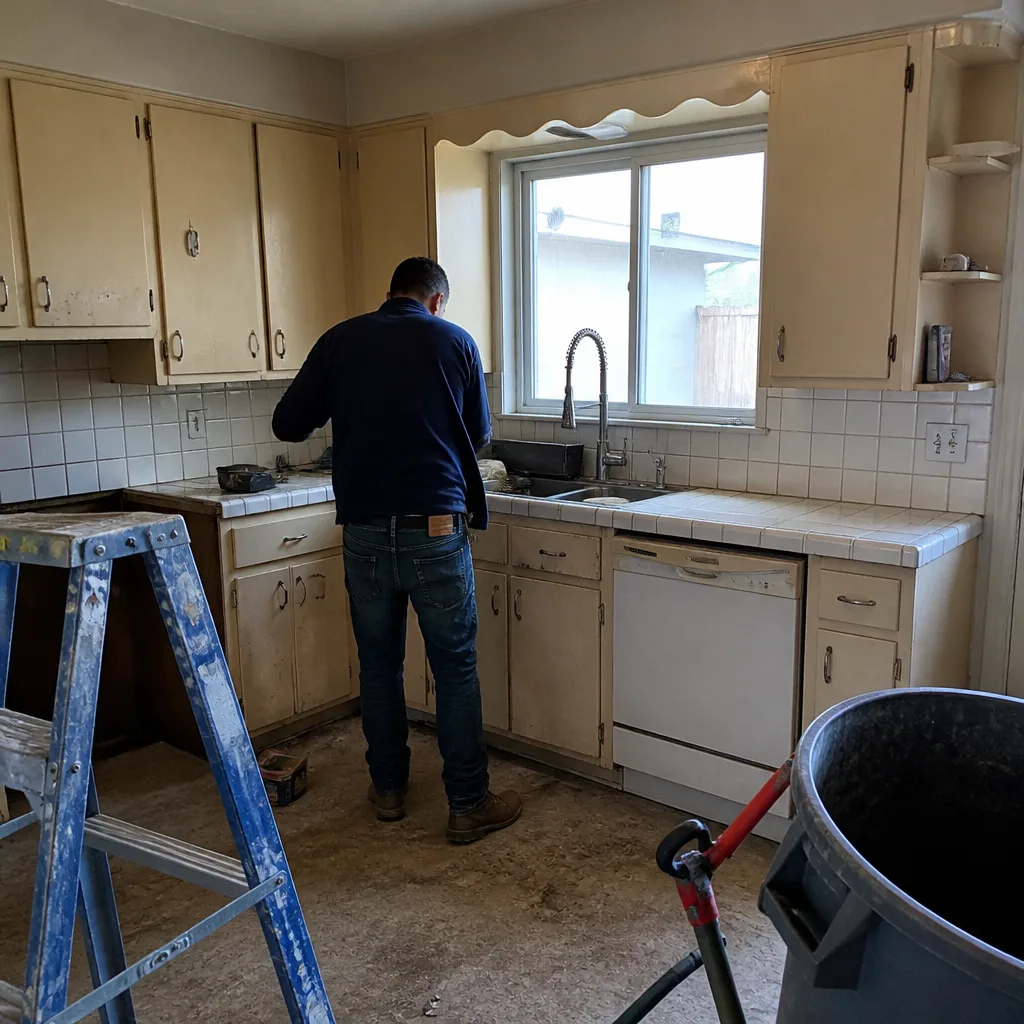 Before
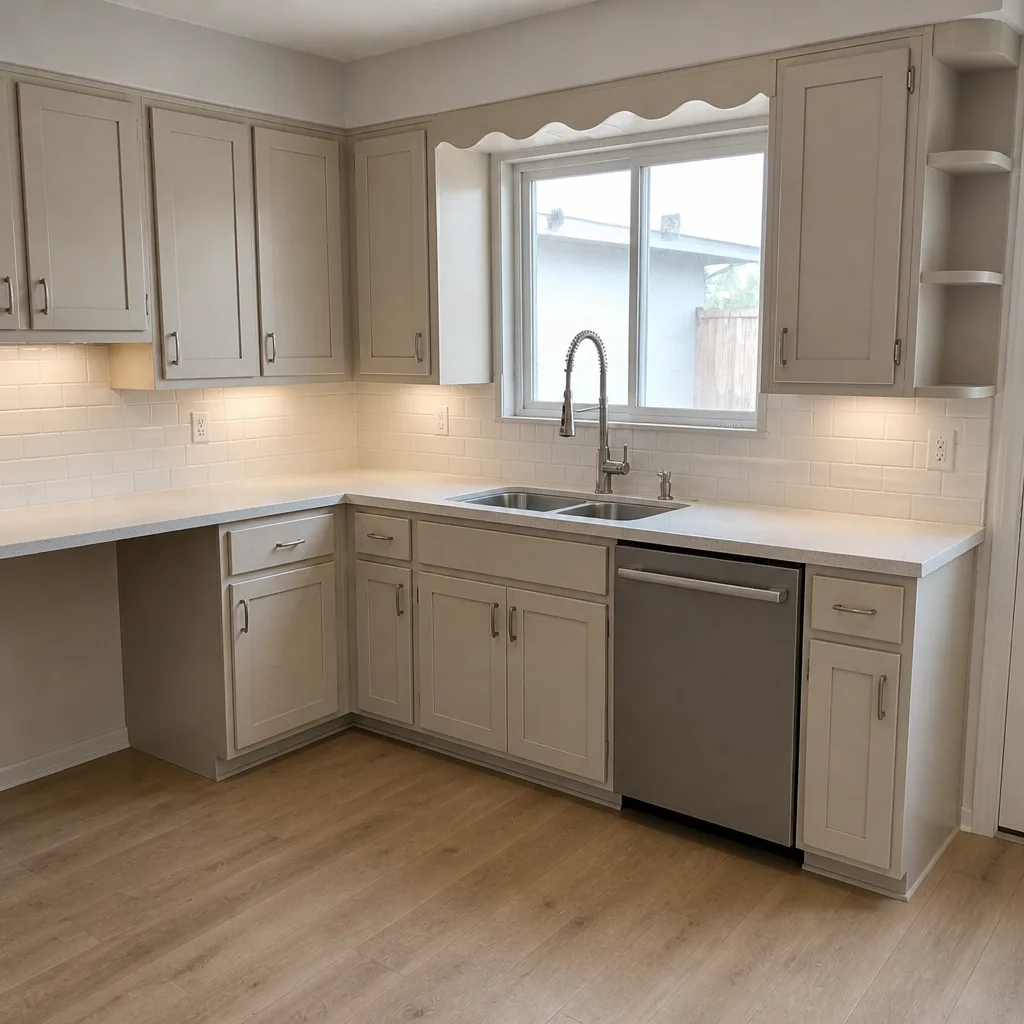 After
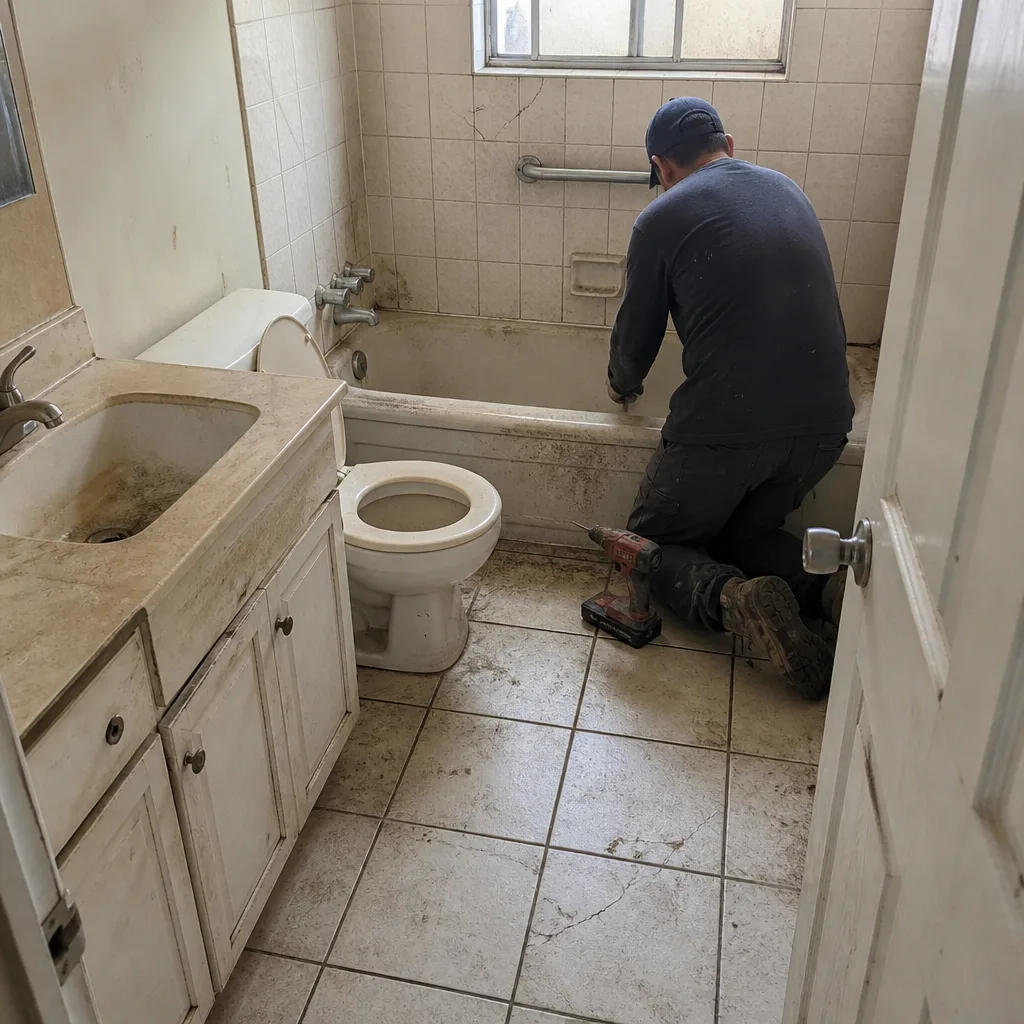 Before
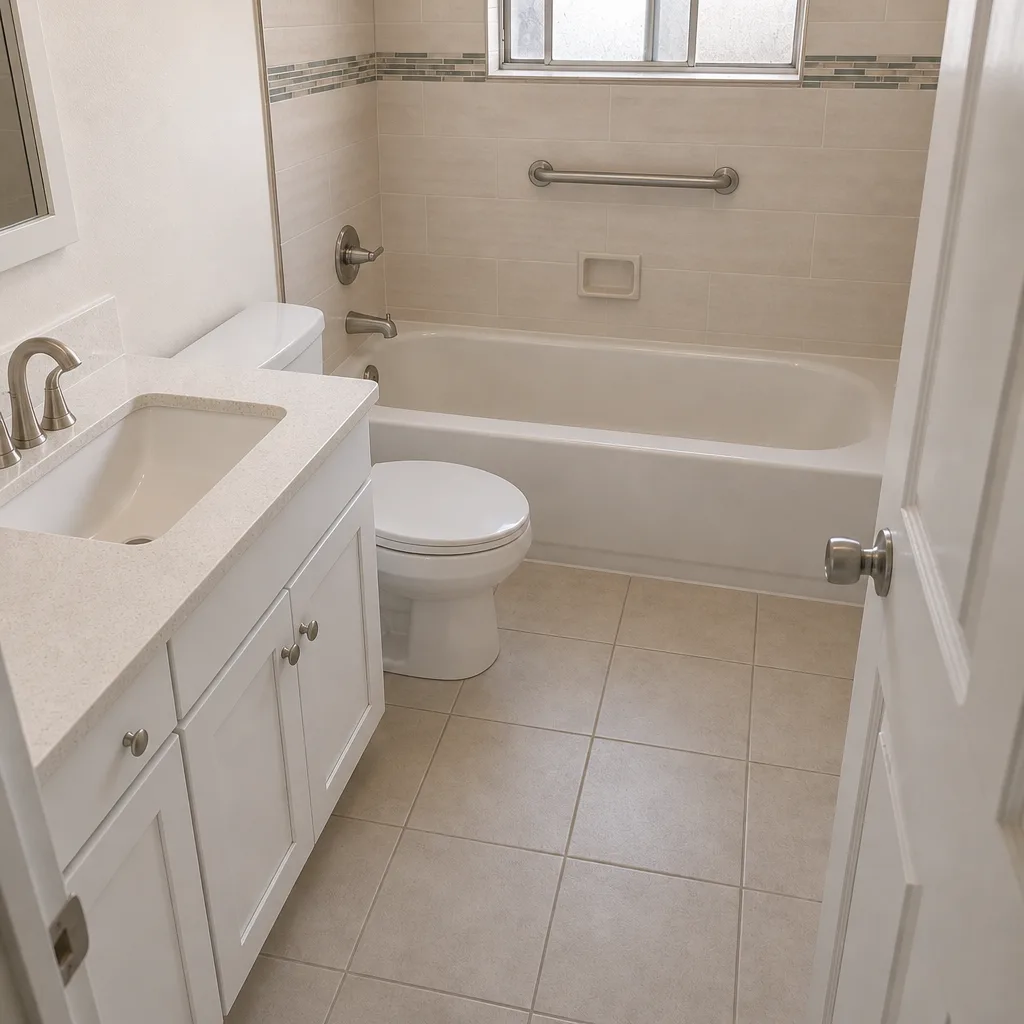 After
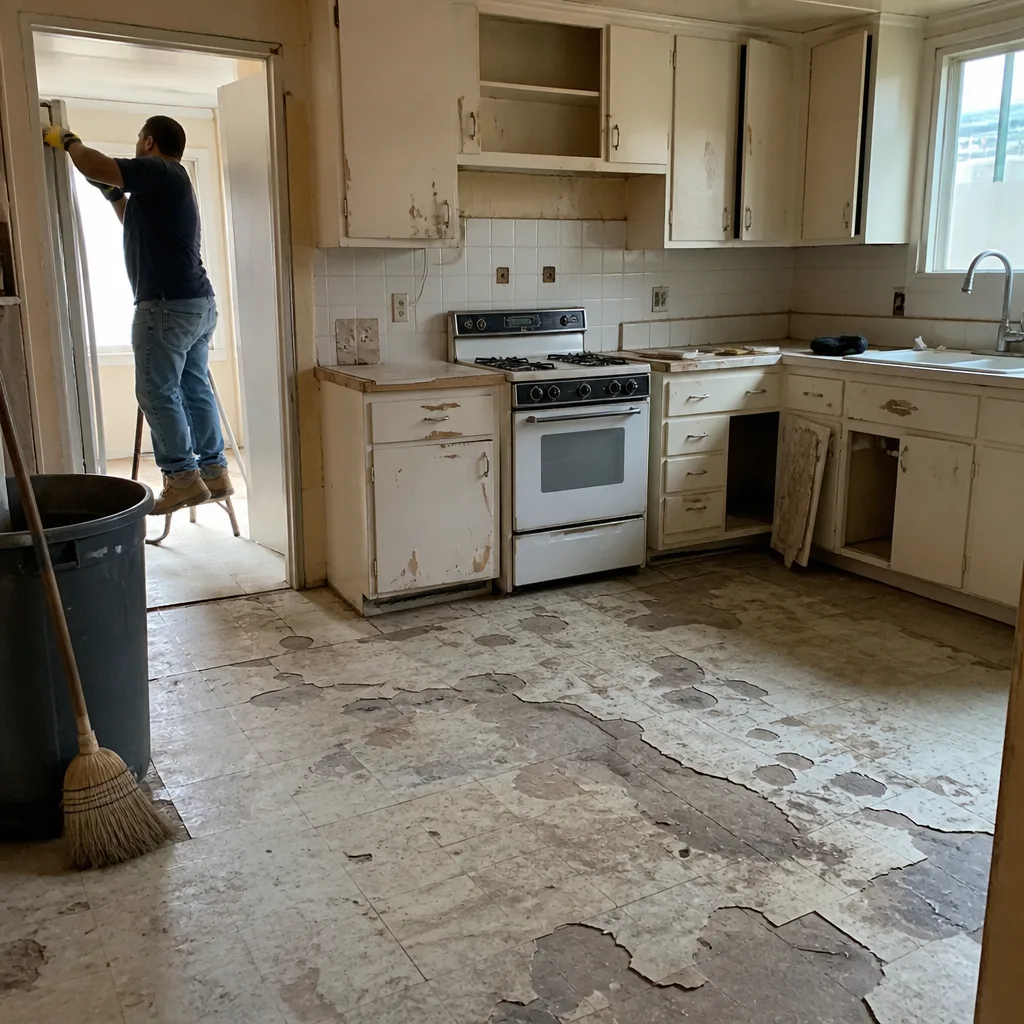 Before
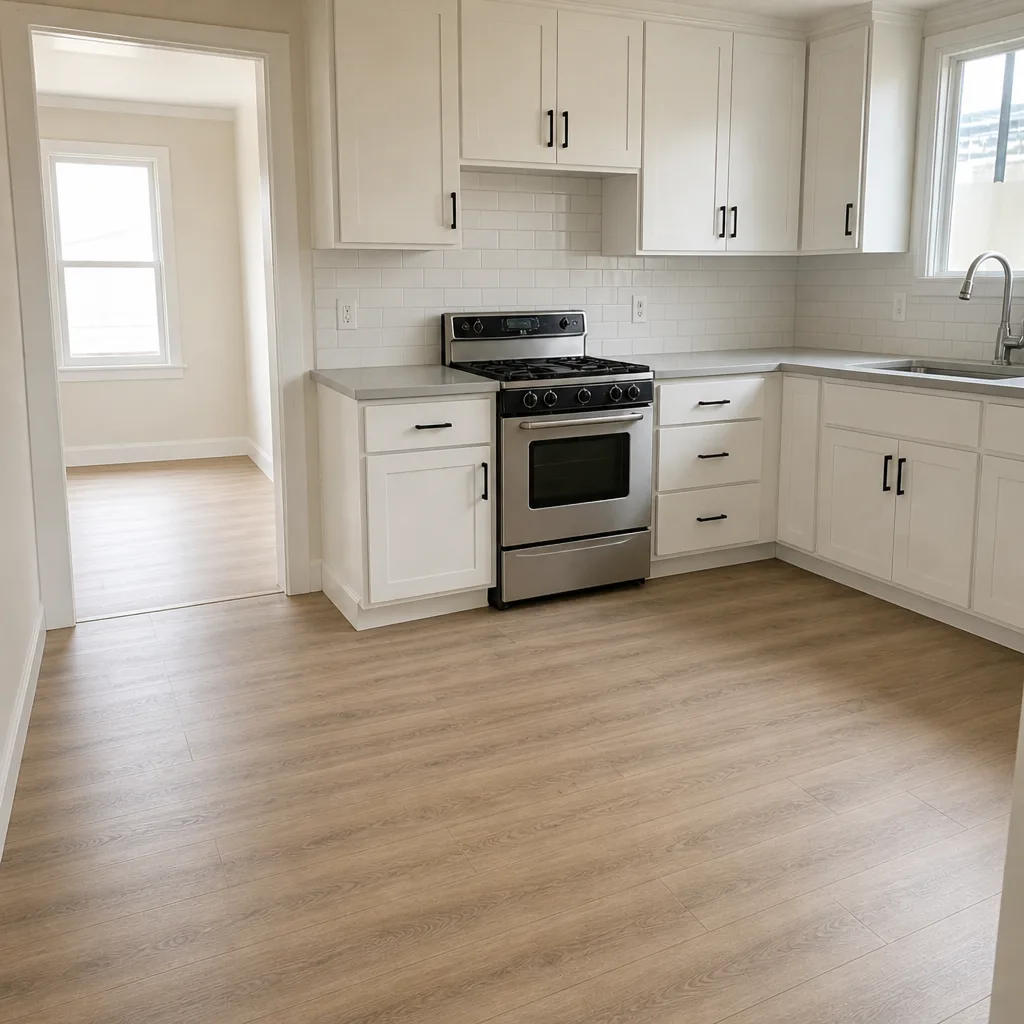 After
When to Call a Professional
Call a professional when the work touches electrical service, gas lines, plumbing rough-in, roofing at height, or structural change. Those are not homeowner scopes; they’re the parts of a project where a mistake costs more than the labor saved, and they’re where inspections exist for a reason. Call a professional when your project spans more than one trade, because the coordination alone is a full-time job. Call a professional when a quote you’ve received looks too low, because a second line-item bid is the cheapest diagnostic there is. Construction Hayward offers free estimates in Hayward. Call (833) 510-5312. We answer 24/7. Fast dispatch from 7am to 7pm, Sunday through Friday.
Frequently Asked Questions
A kitchen remodel in Hayward in 2026 runs roughly $55,000 – $90,000 for mid-tier work, with cosmetic refreshes starting around $30,000 and high-end scopes with layout changes reaching $95,000 – $150,000. The written estimate sets the final price, and ours is line-item so you can see what drives the number. Call (833) 510-5312 for an exact quote; estimates are free.
Construction in Hayward costs more because Alameda County labor rates run well above state and national medians, materials carry Bay Area freight, and local permit and school development fees sit on top of the contractor’s number. Averages published for the whole country don’t include any of that. Call (833) 510-5312 to compare your quote to a local one.
A detached ADU in Hayward in 2026 runs roughly $180,000 – $320,000 for stick-built and $140,000 – $260,000 for prefab or modular depending on finish level and site work. Utility trenching and site slope are the biggest cost drivers. We work with Abodu, Dvele, Mighty Buildings, and Boxabl for the prefab path. Call (833) 510-5312 for a free estimate.
Yes, we pull the permits and pass the inspections; that’s built into the written line-item estimate rather than treated as an optional line. Hayward permit fees and inspection costs are part of the total, not a surprise add. Call (833) 510-5312 with your project address and we’ll talk through what the city will require.
The written estimate governs the price, and we build fixed pricing with no change orders into the contract. Change orders only happen when you request a scope change or when a concealed condition forces a decision, and those are discussed before work proceeds. Call (833) 510-5312 to schedule your free estimate.
Timelines in Hayward run roughly 6 – 10 weeks for a bathroom, 10 – 16 weeks for a kitchen, and 6 – 10 months for an ADU from permit to final inspection; permit review time is usually the largest variable. A prefab ADU shortens the on-site portion of the build. Call (833) 510-5312 for a realistic schedule on your specific project.
The Bottom Line
Hayward construction costs in 2026 are shaped by three pressures: Alameda County labor rates, materials inflation, and local permit and development fees. Budget from local ranges, not national averages. Match your contingency to the project type, not a flat 10%. Break the permit line out of every quote you receive. And when your project spans more than one trade, run it under one contract with one project manager and one warranty conversation. That’s what we do at Construction Hayward, from the driveway and pavers to the kitchen, bathrooms, roof, fence, and ADU. Call (833) 510-5312 for a free estimate. We answer 24/7. Fast dispatch from 7am to 7pm, Sunday through Friday.
Written by the team at Construction Hayward.