
Last updated November 16, 2026
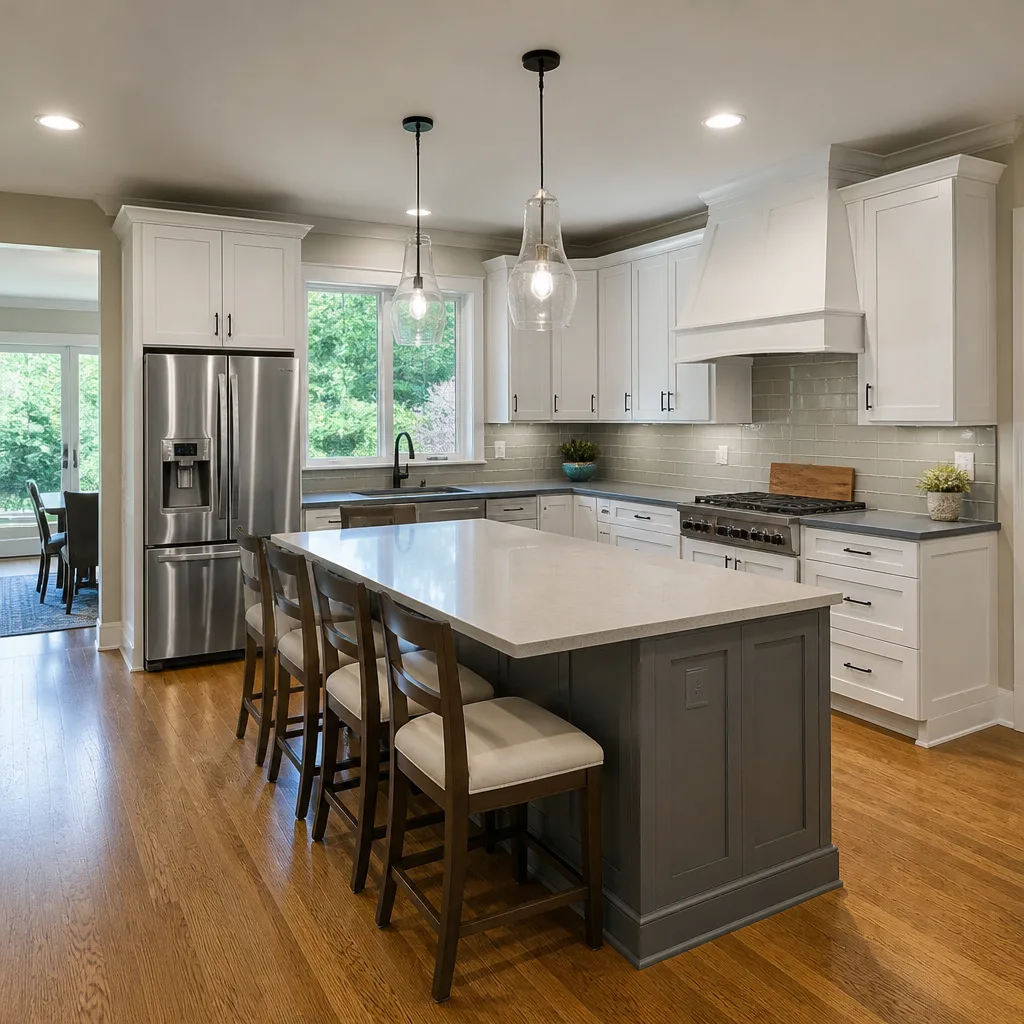 Kitchen remodeling
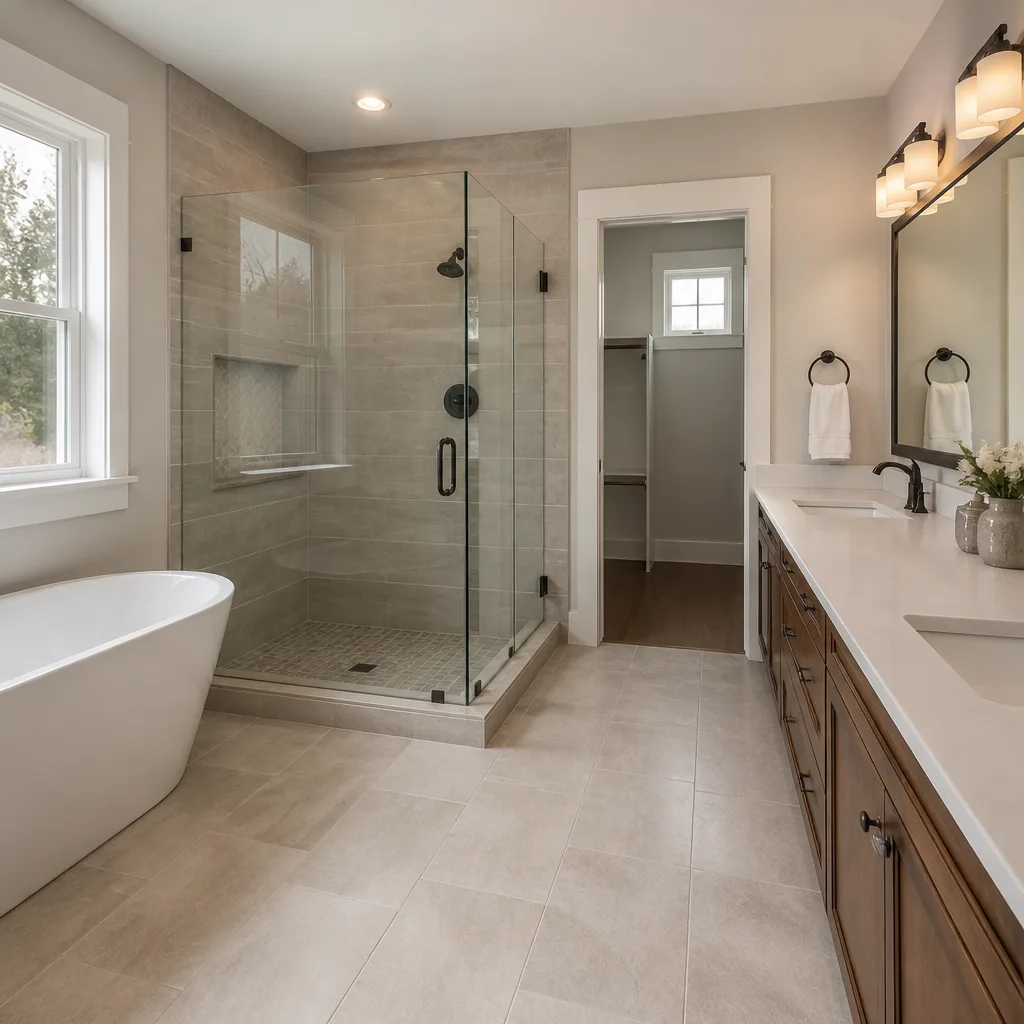 Bathroom remodeling
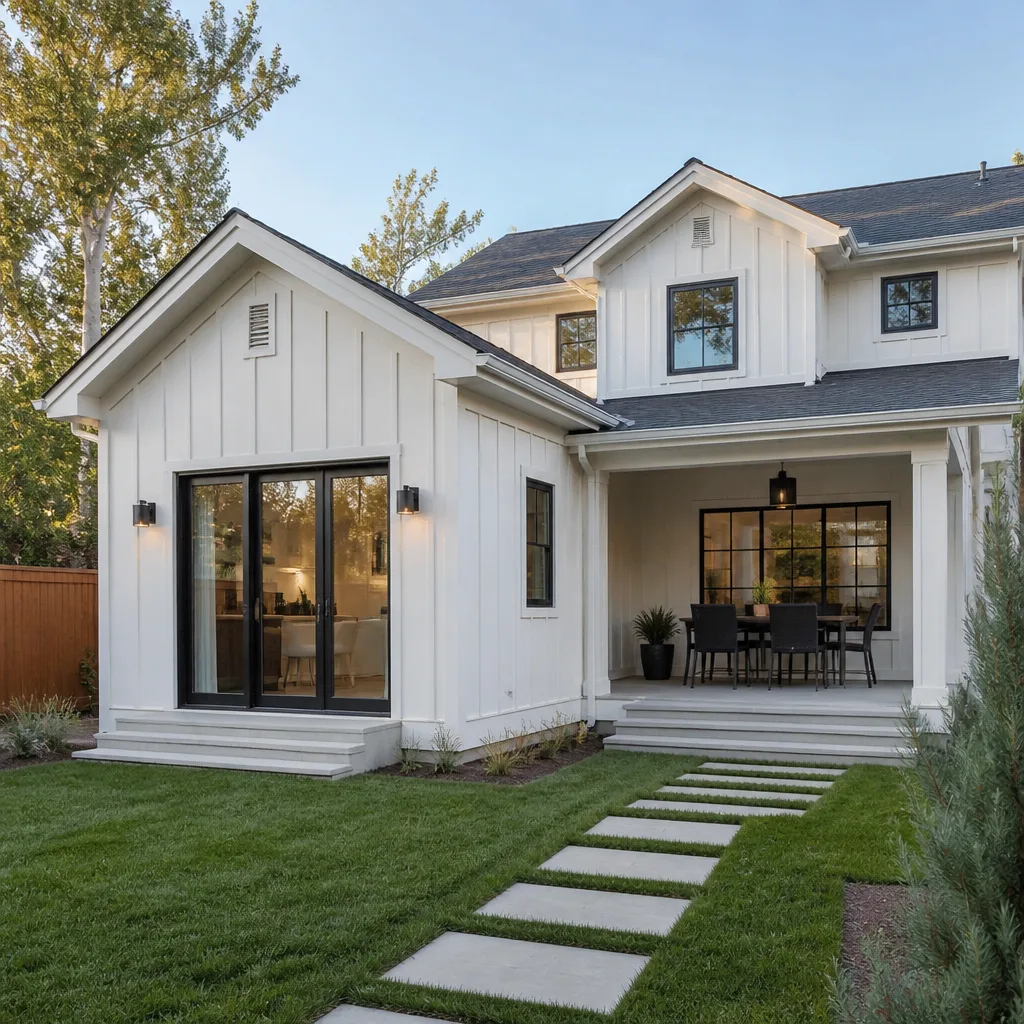 Home additions & ADU
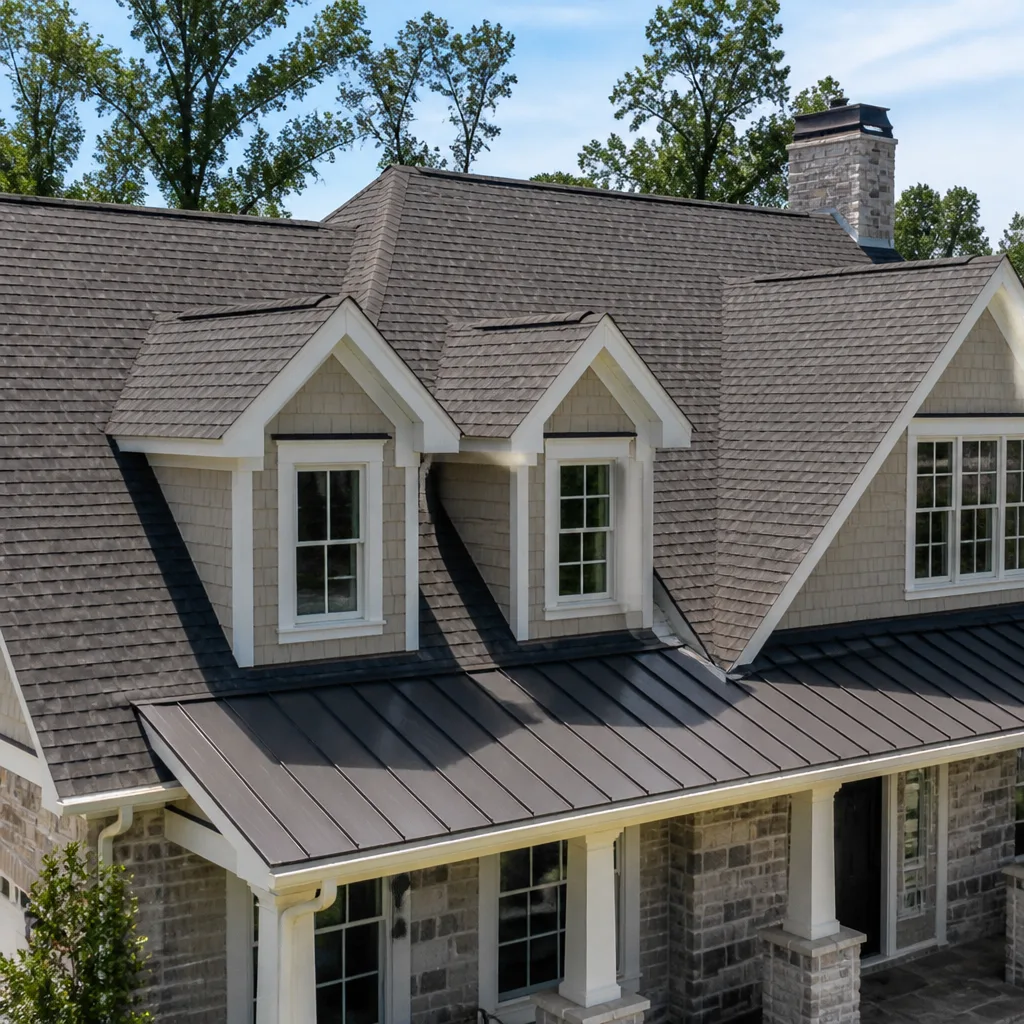 Roofing
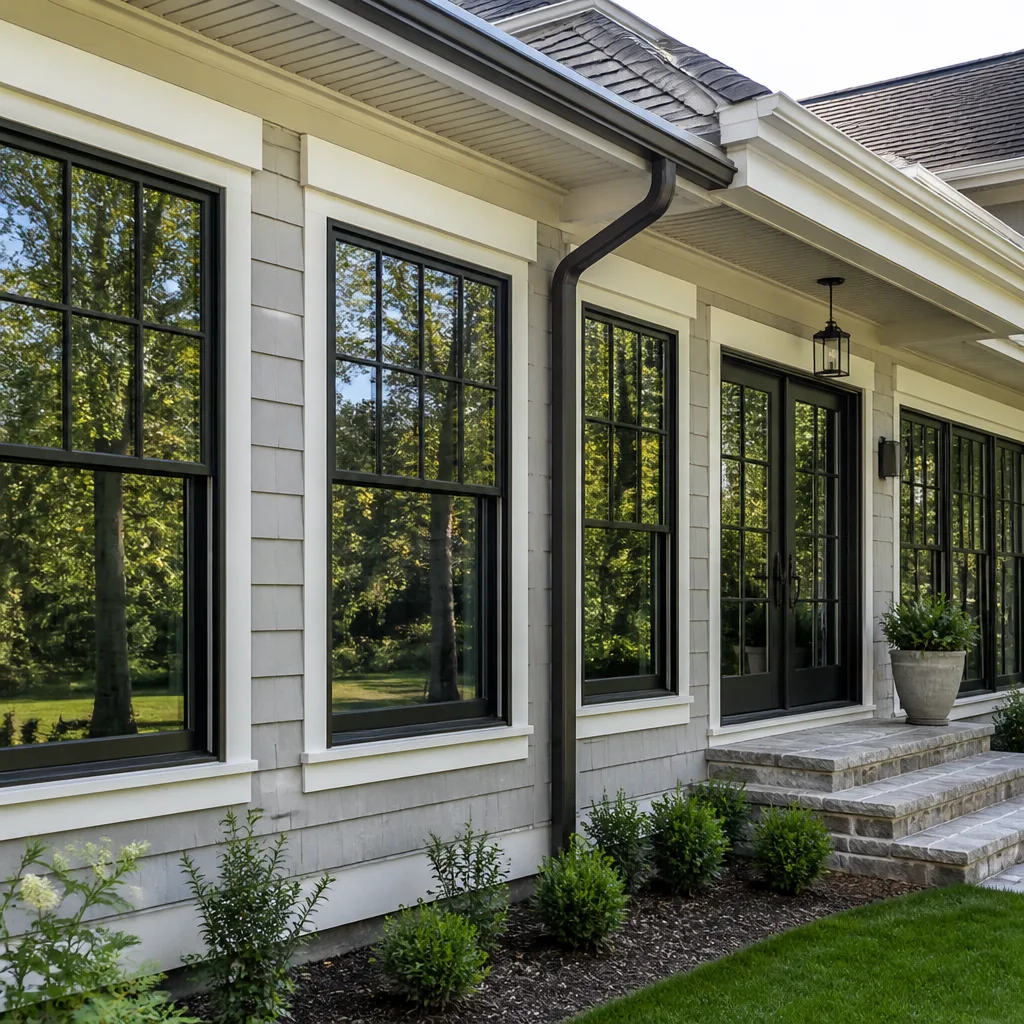 Windows & doors
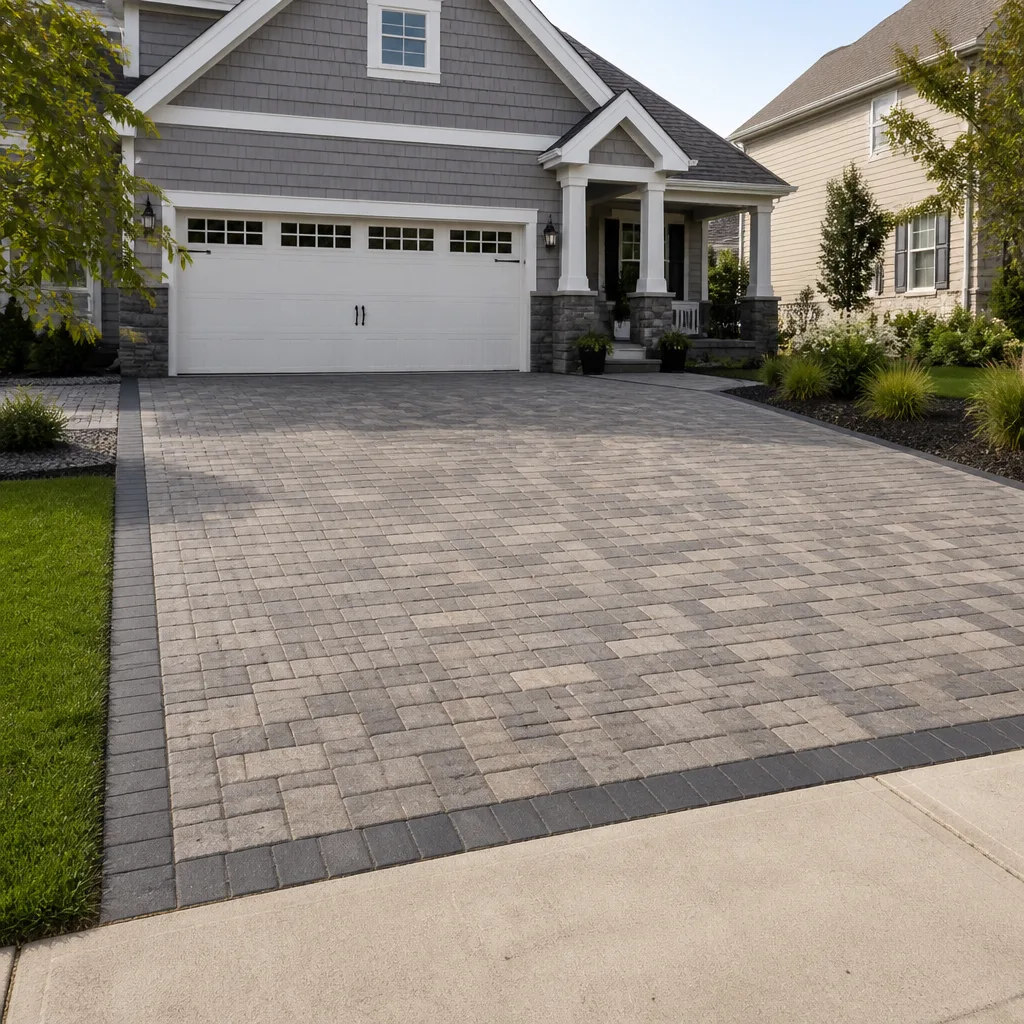 Driveway & pavers
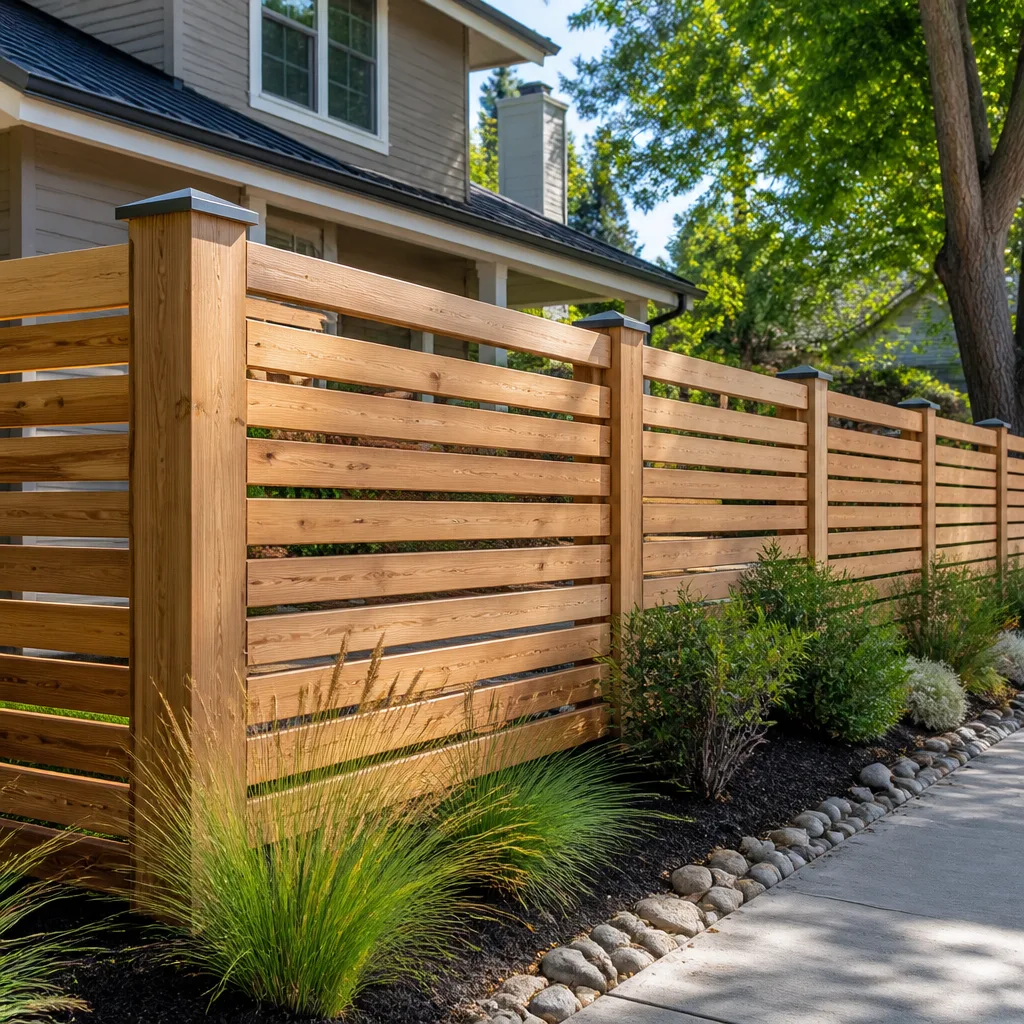 Fence
Free written scope consultation - allowances, timeline, and change-order rules on paper before a single trade is scheduled
Choosing the Right Construction Brand: A Buyer’s Guide for Hayward
A contractor can honestly tell you they’re installing CertainTeed roofing, Trex decking, and Kohler fixtures and still be installing the entry-level product in every one of those categories. That’s the part homeowners rarely hear. Brand names are printed in bold on the bid, the tier number is quietly left out, and by the time the shingles are on the roof or the pavers are in the driveway, the difference between a premium line and a builder-grade line is buried under the finished surface. This guide decodes the tier structures behind the logos for the materials Hayward homeowners actually buy: roofing, siding, hardscape, cabinetry, windows, and fixtures. We’ll show you what separates one tier from the next, why it matters in East Bay conditions, and how to write a specification into your contract that a contractor can’t quietly walk back.
Quick Answer
Choosing the right construction brand in Hayward starts with knowing that most major brands sell three or four quality tiers under the same logo, so the brand name alone tells you almost nothing. What matters is the specific product line, the material grade, and the installation method, all written into a contract as a named model rather than a brand. A premium brand installed at its entry tier can perform worse than a mid-tier brand installed at its top line, and only tier-level specification protects you from paying premium prices for builder-grade components.
Styles & brands we work with
- Kitchen remodeling
- Bathroom remodeling
- Home additions & ADU
- Roofing
- Windows & doors
- Driveway & pavers
- Fence
Table of Contents
- Why Brand Names Alone Don’t Tell You What You’re Buying
- Roofing Brand Tiers: CertainTeed, GAF, and Owens Corning Compared
- Siding Tiers: James Hardie from HardiePlank to Artisan
- Pavers and Hardscape: Wet-Cast, Dry-Cast, and Natural Stone
- Cabinets: Frameless vs. Face-Frame and What “Soft-Close” Really Means
- Windows and Fixtures: Where Tier Matching Actually Pays Off
- How to Write Brand and Tier Specs Into Your Contract
- Common Mistakes to Avoid
- When to Call a Professional
Why Brand Names Alone Don’t Tell You What You’re Buying
Walk into any materials showroom in Hayward and the wall of logos tells you what’s possible, not what’s included. CertainTeed, GAF, Owens Corning, James Hardie, KraftMaid, Wellborn, Kohler, Moen, Toto, Grohe: every one of these manufacturers sells multiple product lines under a single brand. The logo is the same. The engineering is not.
Here’s how the tier structure typically works across the industry.
- Entry tier (builder-grade): The product a production builder puts on a spec house to hit a price point. It meets code, it performs, and it’s the least durable option the brand sells.
- Mid tier: Better materials, longer warranties, and the line most renovation contractors recommend for occupied homes people intend to keep.
- Premium tier: The top of the brand’s residential range, where the cost jump buys real performance gains in thickness, weight, finish, or impact rating.
- Specialty lines: Commercial-grade or design-driven products within a brand that follow their own tier logic entirely.
We’ve seen bids in Hayward that name three premium brands and deliver the entry line in every category. The contractor didn’t lie. They just let the brand name do the persuading and left the tier out. The fix is simple: ask for the exact product line and model number, get it in writing, and hold the quote to it. When we specify materials, we name the brand and the product line together, because “CertainTeed roofing” and “CertainTeed Landmark architectural shingles” are two very different commitments. You choose the material; we handle everything else, including spelling out which line you’re getting.
Roofing Brand Tiers: CertainTeed, GAF, and Owens Corning Compared
The gap between a 25-year shingle and a 50-year shingle isn’t just the warranty card. It’s the fiberglass mat weight, the granule type, the sealant strip, and the impact rating, all of which are engineered into the higher tier of the same brand. A 25-year shingle from a top manufacturer typically uses a thinner fiberglass mat and lighter granule coverage than the same brand’s 50-year product. Heavier mat weight and denser granules mean better resistance to wind uplift, UV degradation, and the occasional small hail event that rolls through the East Bay hills.
Here’s what typically separates the tiers within the three major roofing brands.
- Entry lines: Three-tab or simpler architectural shingles intended for budget-driven production work. Meets code, shorter design life.
- Mid lines (architectural):
- Premium lines: Dense architectural or designer profiles with enhanced impact ratings, deeper shadow lines, darker granule blends, and warranty terms that often include wind-uplift coverage at higher speeds.
- Impact-rated lines: A specific, test-verified product category. If you want an impact rating, it’s a named product, not a marketing adjective.
Warranty length is the number contractors quote because it’s the number homeowners compare. But a 50-year warranty with an entry-tier product that fails its surface granule coating in fifteen years doesn’t help you. The mat weight, granule density, and nail-zone reinforcement are what determine whether the roof looks good at year twenty in Hayward’s long dry summers and winter rain. Ask for the manufacturer’s specification sheet and confirm the exact product line in writing. Roofing is one of seven trades we handle under one contract, and the Construction Hayward approach is to specify up front rather than justify later.
Siding Tiers: James Hardie from HardiePlank to Artisan
James Hardie is the dominant fiber-cement siding brand in the Bay Area, and within that single brand there’s a real spread in product thickness, texture depth, and paint durability. HardiePlank Lap Siding is the line most homeowners have heard of. HardiePanel is a vertical panel product. Artisan is James Hardie’s premium line, engineered with deeper texture and a heavier profile designed for a more architectural look. The brand stays the same on every label. The performance doesn’t.
What the step-up in price actually buys you in Bay Area UV conditions:
- Thickness. Heavier board resists siding damage from impact and reduces visible waviness on longer wall runs.
- Texture depth. Deeper embossing casts real shadow lines and reads as more convincing wood grain from the curb, instead of a flat painted plane.
- Paint and finish durability. Higher-tier products carry stronger factory finishes and better color-stability ratings, which matter when Hayward summers bake a west-facing wall for months.
- Fire and moisture resistance. Fiber cement as a category handles both well; higher-tier lines carry more detailed finishing and trim systems that matter more at the seams and penetrations than in the field of the wall.
Specify the product line by name, not just the brand. “James Hardie siding” leaves room for any of three lines. “HardiePlank Select Cedarmill, primed, 7-inch exposure” does not. We work with James Hardie because the product family has a legitimate choice at every price point, but the line has to be named in the contract before the house gets wrapped.
Pavers and Hardscape: Wet-Cast, Dry-Cast, and Natural Stone
A paver driveway in Hayward is a real investment, and the tier question on pavers is more structural than cosmetic. The three families of paver you’ll see quoted are wet-cast, dry-cast (also called concrete pavers), and natural stone. They don’t perform the same, and the right choice depends on sun exposure, traffic, and how far your driveway has to carry.
Dry-cast concrete pavers are the standard for most residential driveways. The concrete mix is denser than wet-cast, compressed under high pressure, and cured with a low moisture content. The number that matters is compressive strength, expressed in PSI. Higher-PSI pavers resist chipping, freeze-and-wet cycling, and the weight of a loaded vehicle. For a Hayward driveway that sees daily vehicle traffic, specifying a higher PSI rating is the single most useful lever you have. Brands like Cambridge Pavers, Oldcastle, and Belgard all publish PSI ratings per product line.
Wet-cast pavers are formed in molds with a wet concrete mixture. They offer deeper, more detailed textures and richer color variation, but their compressive strength is generally lower than dry-cast. Beautiful for a walkway or patio, less ideal as the surface a two-ton vehicle parks on every night.
Natural stone pavers offer the longest lifespan of the three, with the visual depth that only quarried stone delivers. Cost is higher and installation detail demands are greater, but on a high-visibility hardscape in Hayward the results speak for themselves.
One practical local point: some paver lines are stocked by Bay Area suppliers while others are special-order. A stocked line keeps your project moving. A special-order line can add weeks. Ask your contractor which lines are local-stock and which are factory-order before you commit. If you’re considering a driveway & pavers project, that’s the first question to raise. And a paver driveway is only as good as its base: bedding sand, a compacted aggregate sub-base, and proper edge restraint matter as much as the surface product. Quikrete and Sakrete both make setting and joint materials that meet these requirements when specified correctly.
Cabinets: Frameless vs. Face-Frame and What “Soft-Close” Really Means
“Soft-close” is a hardware upgrade, not a cabinet quality indicator. A $200 cabinet can have soft-close hinges on its doors. A premium line can ship without them. So the marketing language around cabinets is the least useful piece of information on a kitchen quote, and the construction and box material are the most useful.
Here’s how to read a cabinet spec correctly.
- Construction type. Face-frame cabinets have a solid frame around the front opening. Frameless (sometimes called full-access) cabinets have no frame and gain you about three more inches of usable interior width per cabinet. Frameless is generally the better choice for modern, clean lines; face-frame suits traditional styles and offers more structural rigidity for certain layouts.
- Box material. Plywood boxes hold screws and resist moisture far better than particleboard. Some makers use a plywood box with a particleboard shelf, or “engineered wood” as a catch-all. Ask specifically.
- Door and drawer front material. Solid wood, MDF with a veneer, painted MDF, or thermofoil all have different durability profiles. MDF-painted fronts have become the standard for painted kitchen looks; thermofoil is cheaper and can peel in heat.
- Hardware brand. The hinges, drawer slides, and soft-close mechanism are separate spec items. Blum and Grass are common in premium work. Ask which.
- Drawer box material. A metal drawer box with a dovetailed wood front is a different product from a stapled particleboard box. Dovetail joints usually indicate a higher-tier cabinet.
KraftMaid and Wellborn both sell multiple cabinet lines, from entry-level to premium, and the lineup names are not always obvious. Ask for the specific line name and confirm the box material, door material, and hardware in the bid. One contractor from the driveway to the kitchen means the same company that specified your pavers can specify your fence installation and your kitchen in one coherent contract. When we quote a kitchen, we quote the specific cabinet line, not the brand.
Windows and Fixtures: Where Tier Matching Actually Pays Off
Windows and plumbing fixtures are the two categories where matching tiers across every room makes the most sense, because mismatching them creates visible inconsistency and uneven performance over time. Windows first: the top of the window market in Hayward includes impact-rated lines and premium thermal lines, and the appropriate product depends on your climate zone, sun exposure, code requirements, and budget. Within a single brand, you’ll find basic vinyl, upgraded vinyl with better glass packages, fiberglass, and clad wood at the top. The tier matters more than the brand because a mid-tier window from a good manufacturer typically outperforms the entry tier of a category-leading brand.
For plumbing fixtures, Kohler, Moen, Toto, and Grohe all sell multiple tiers. A Kohler “single-handle faucet” could be the entry model or the top of the line. Toto has a well-known entry line and a much higher-priced premium line with very different ceramic formulas.
Two habits that keep fixture and window specs honest:
- Name the specific model. “Kohler Bellera faucet, chrome” is a spec. “Kohler faucet” is a category.
- Match tiers across visible areas. Kitchen, bathroom, and any open-plan visible hardware should live in the same tier family or the mismatch reads as a budget shortcut.
Our technicians have up to 11 years of experience specifying and installing across these categories, and we work with 50+ product lines because material matching across trades is how a property stays coherent from the outside in.
How to Write Brand and Tier Specs Into Your Contract
The biggest tier risk on any Hayward construction contract is the substitution clause. Standard language often reads “or equivalent” or “or similar product of equal quality,” which sounds fair and reads like a loophole. A contractor can use it to swap a named premium line for a lower-tier product under the same brand, or a different brand entirely, once you’ve signed.
Here’s how to close that gap.
- Name brand AND product line AND model number for every specified material. “GAF Timberline HDZ” is a spec. “GAF roofing” is a conversation.
- Write a substitution clause that requires your written approval. The clause should say any substitution must be presented in writing, with the specific replacement product and its specs, and requires your signed approval before installation.
- Add a tier-floor clause. Instead of “or equivalent,” write “or a product of equal or higher tier within the same manufacturer’s line” and name the acceptable lines.
- Require manufacturer documentation at delivery. The shingle wrapper, the cabinet spec sheet, and the paver cut sheet all identify the exact product. Ask to see them on delivery day.
- Put warranty terms in the contract, not just the brochure. A 50-year shingle warranty has manufacturer terms that depend on correct installation and ventilation. The contract should state that the installer will follow the manufacturer’s installation instructions, not just approximate them.
- Confirm permit and inspection responsibility. If the contract names brand tiers but doesn’t state who pulls the permit, you’ve got a gap. Permits, inspections, and the final sign-off belong in writing.
Every written estimate we issue is line-itemed with the exact product line, and any tier change requires your approval. For a larger scope, like a home additions & ADU project, the same principle applies across every trade in the build: one contract, one specification standard, one point of accountability.
Common Mistakes to Avoid
- Accepting a brand name without a product line. “Owens Corning shingles” in a bid tells you almost nothing. Ask for the product line and the model number before you compare quotes, because quote-to-quote brand names look identical while the tiers underneath can differ by thousands of dollars in installed cost.
- Treating “soft-close” as proof of quality. It’s a hinge upgrade and it can be added to almost any cabinet line. Judge the cabinet by its construction and box material, not by the drawer mechanism.
- Assuming the higher warranty equals the higher quality. Roofing warranty length is a marketing number. Mat weight, granule density, and impact rating are the performance numbers you want a manufacturer’s spec sheet for.
- Leaving “or equivalent” language in the contract. That phrase is where a named premium line goes out and a builder-grade substitute comes in. Replace it with a written-approval substitution clause before you sign.
- Ignoring PSI ratings on pavers. A paver driveway in Hayward that sees daily vehicle traffic calls for a higher compressive strength than a patio surface. Ask for the PSI rating on the specific paver line you’re being quoted.
- Specifying special-order pavers without checking the timeline. A stocked line keeps a Hayward hardscape project on schedule. A special-order line can add weeks. Ask which lines are locally stocked before committing.
- Mismatching tiers across visible areas inside a home. Entry-tier fixtures next to premium-tier cabinetry looks like a design break, not a budget choice. Match tiers where the eye can see both at once.
When to Call a Professional
Some of the brand-tier decisions in this guide sit squarely in the DIY-friendly column: choosing a faucet finish, picking between two cabinet door styles, comparing paint colors on fiber-cement siding. Others do not. Roofing installation is high-altitude work with fall exposure and a correct ventilation system that most homeowners can’t evaluate from the ground. Paver driveways depend on a properly compacted sub-base; the wrong base for a Hayward driveway fails in the first wet season, not the tenth. Window replacements involve structural openings, flashing, and code-required thermal performance. ADU projects sit fully in the professional column.
Construction Hayward offers free estimates in Hayward: call (833) 510-5312 to schedule. Our estimates are line-itemed by product line and tier, so you can compare quotes accurately rather than guessing what’s under a brand name. We answer 24/7 with fast dispatch from 7am to 7pm, Sunday through Friday.
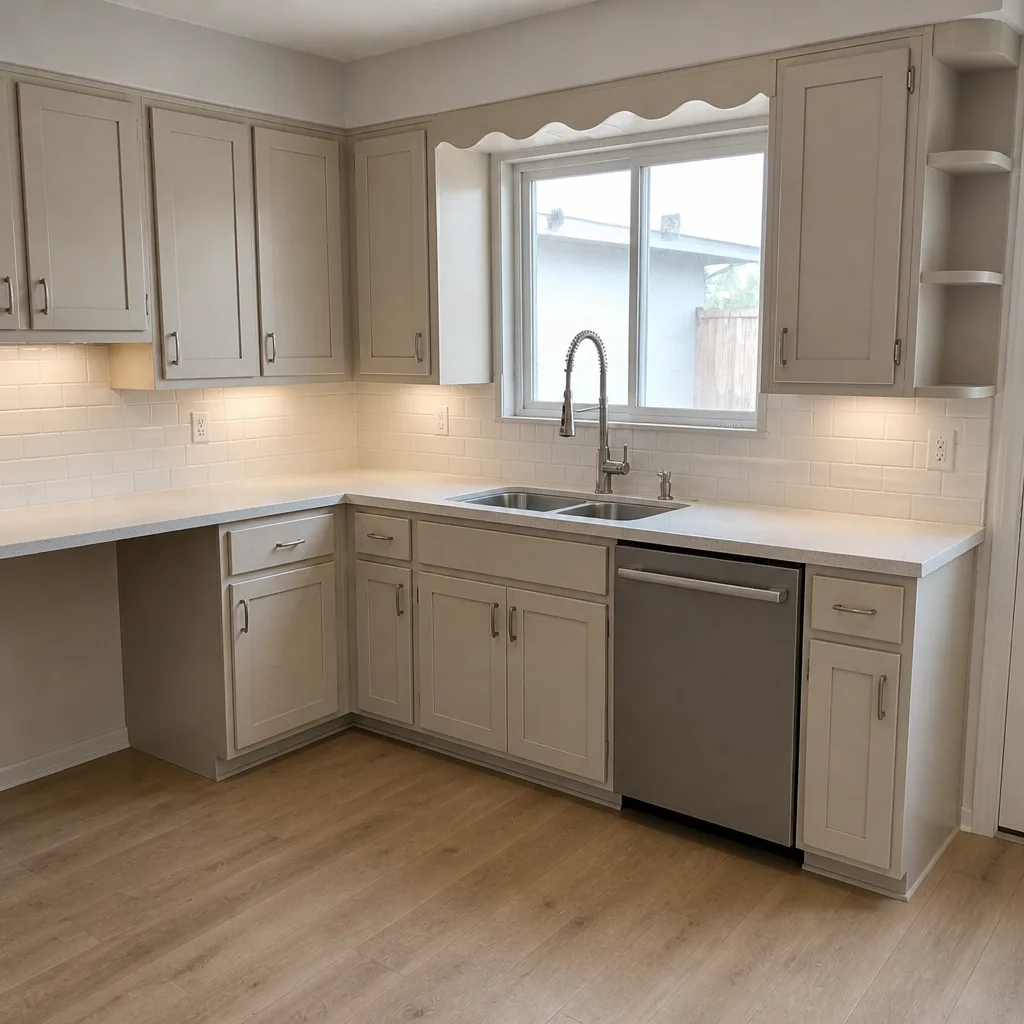
See the difference
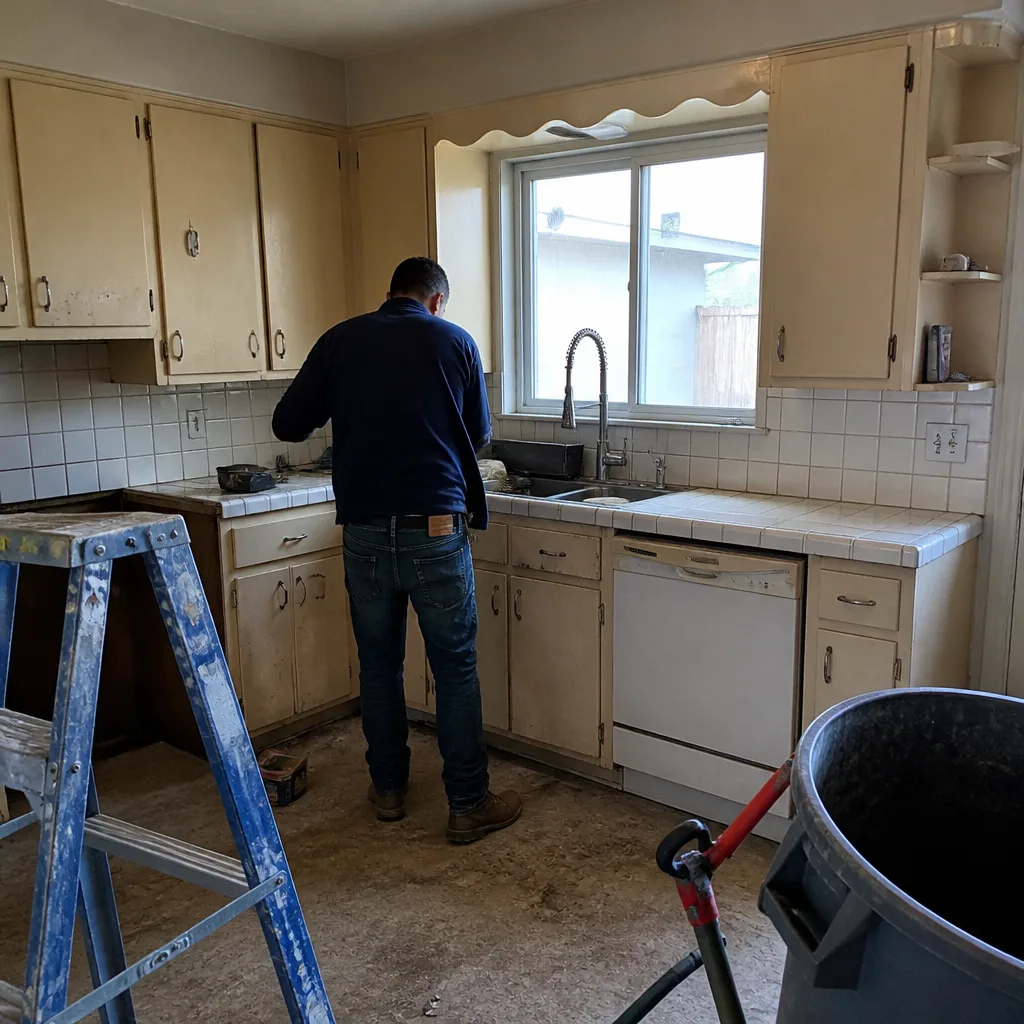 Before
 After
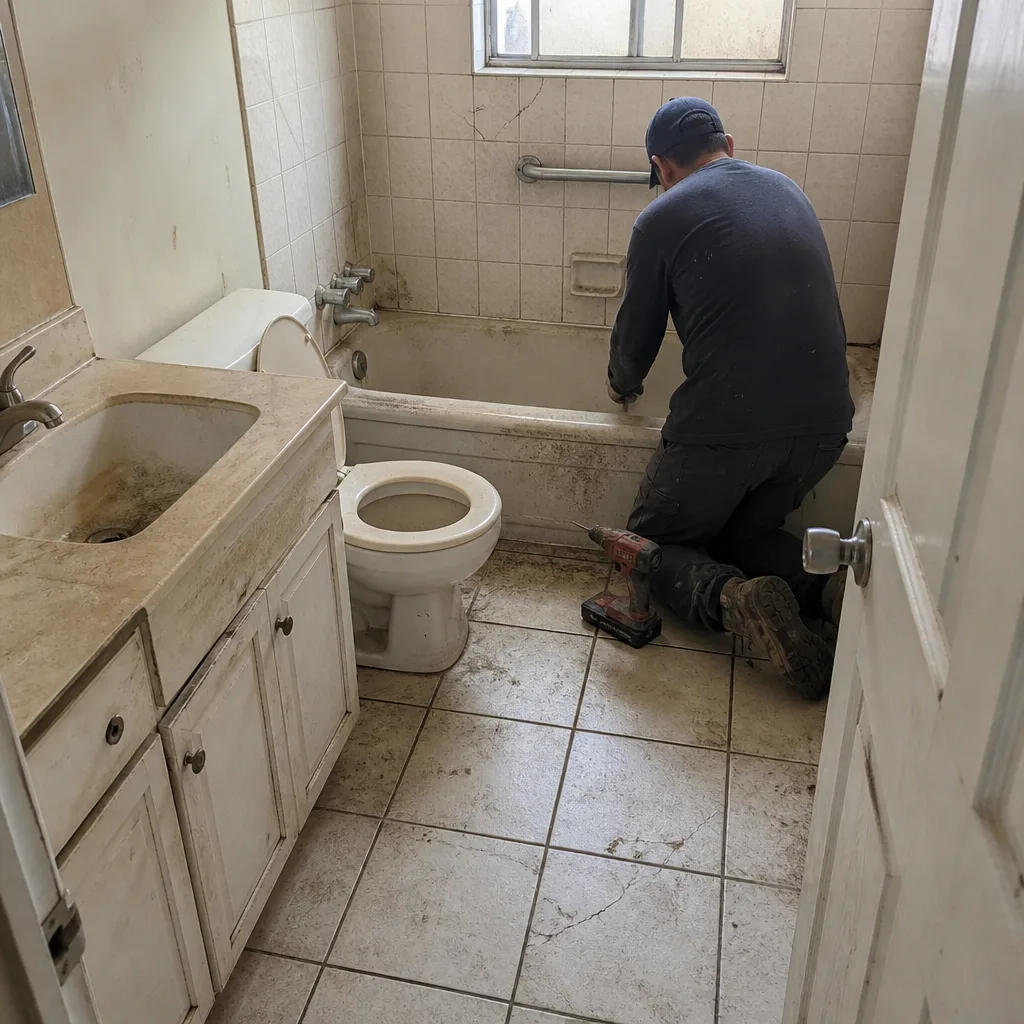 Before
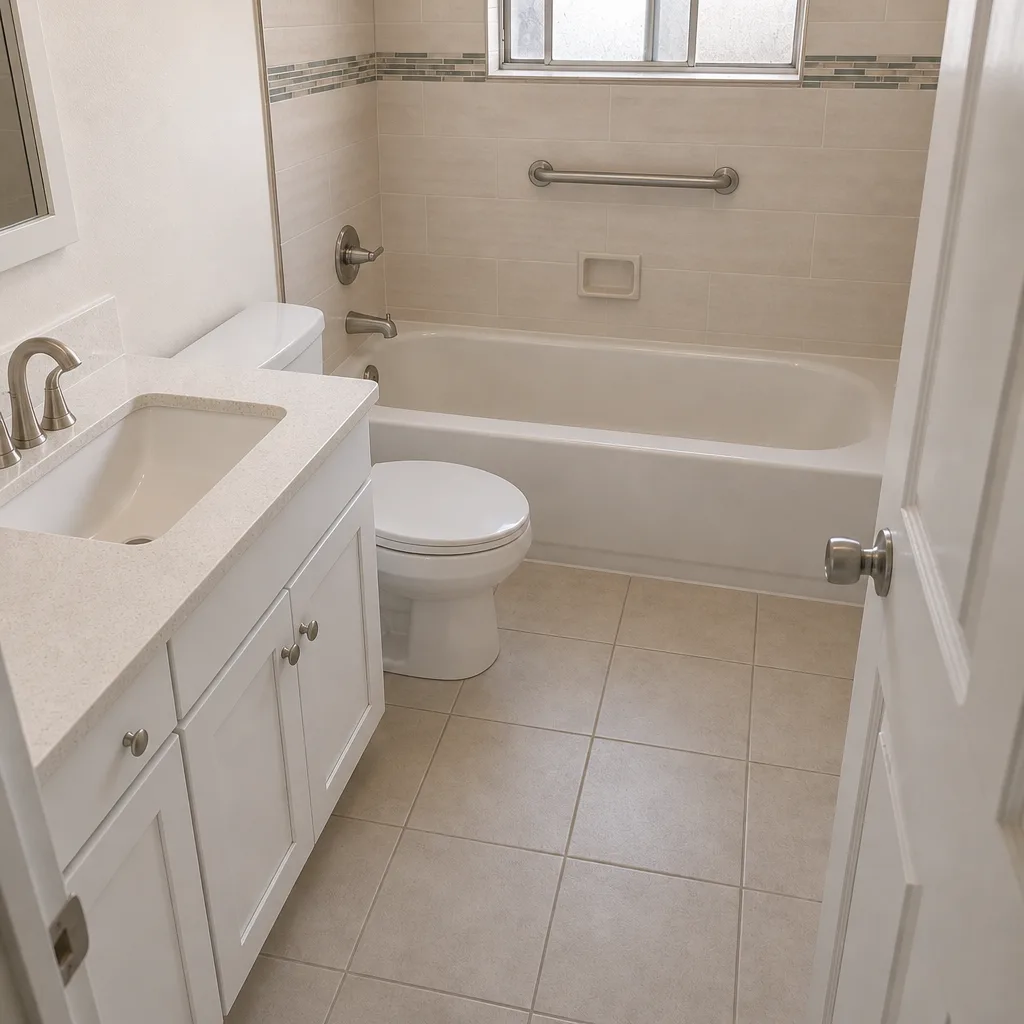 After
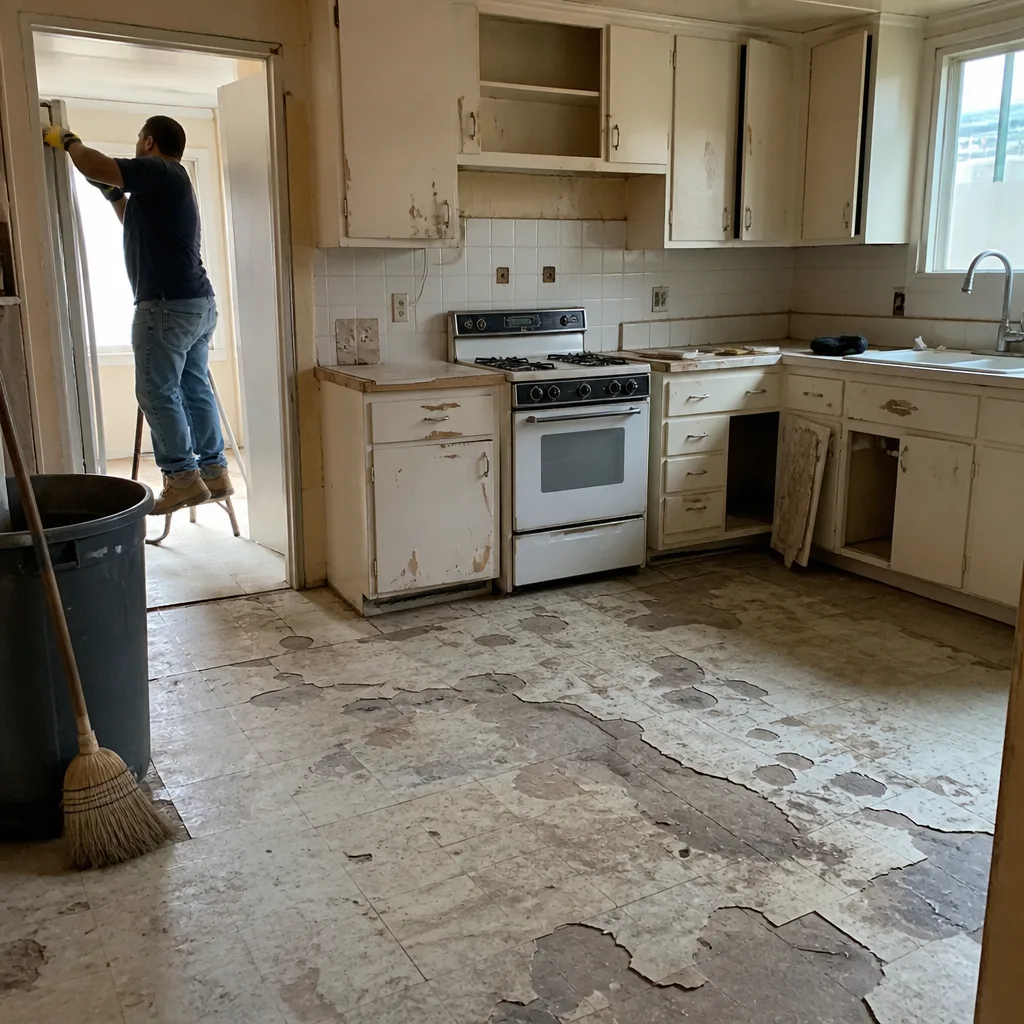 Before
 After
Frequently Asked Questions
You know which tier you’re getting when the quote names the specific product line and model number, not just the brand. CertainTeed sells entry, mid, premium, and impact lines under the same logo, so “CertainTeed roofing” is not a specification. Ask for the product line, model number, and manufacturer’s spec sheet in writing, and confirm the bid names those specifics rather than a general brand. Call (833) 510-5312 for a line-itemed estimate, so the tier is stated before you sign.
Usually not. A mid-tier brand at its top line typically outperforms an entry-tier product from a brand with more market recognition, especially on a material where the tier structure changes the engineering: shingle mat weight, paver PSI, cabinet box material. Brand recognition and material performance are two different questions, and only the second one determines how the product performs in Hayward’s climate. Get the spec numbers, not just the label.
“Or equivalent” typically means the contractor can substitute a different product they judge to be of equal quality, and they get to make that judgment. The clause is legal in most residential contracts, and it’s the most common place a named premium line quietly turns into a lower-tier product. Replace it before signing with a written-approval substitution clause that requires your signed approval for any change and names the acceptable alternatives.
Specific stocking varies by supplier and season, so the honest answer is to ask your contractor which lines are locally stocked at the time of your project. Brands like Cambridge Pavers, Oldcastle, and Belgard all have several lines that are commonly stocked by Bay Area suppliers and several that are factory-order. A stocked line keeps a Hayward hardscape project moving on schedule; a special-order line can add weeks. Confirm in the bid which category each paver line falls into.
Not directly. A 50-year warranty is a manufacturer term, and it depends on correct installation, ventilation, and maintenance. The actual service life of shingles on a Hayward roof is driven by mat weight, granule density, sealant strip quality, and impact rating, all of which are specific to the product line. Ask for the manufacturer’s spec sheet and installation requirements, and confirm the contract names the exact product rather than just the warranty period. Call (833) 510-5312 for an estimate on the specific lines available for your roof.
Match tiers across every visible area, and let the matched tier be a floor, not a ceiling. In a kitchen, the cabinet line, countertop brand, and fixture brands should belong to the same quality family, because mismatched tiers read as a budget shortcut when the room is finished. For less visible materials, like subflooring or the hidden waterproofing layer in a bathroom, the tier that matters is the one that meets the manufacturer’s installation requirements. We work across 50+ product brands so the tier-matching question gets answered honestly rather than by whoever happens to be on the truck.
The Bottom Line
Brand names sell quotes; product tiers determine performance. Three things to take away from this guide for any Hayward project. First, ask for the product line and model number, not just the brand, and treat the spec sheet as your primary evidence. Second, understand that the tier gap inside a single brand can be larger than the gap between two competing brands, so the line number matters more than the logo on the package. Third, replace “or equivalent” in every contract with a written-approval substitution clause and a named tier floor before you sign. Get those three right and a Hayward renovation stays coherent from the driveway to the kitchen.
Contact
Whether you’re comparing roofing lines, pricing a paver driveway, or matching a kitchen remodel to fixtures you’ve already picked, we’ll write a line-itemed estimate that names the specific product, the tier, and the installation method. Call (833) 510-5312 for a free estimate. We answer 24/7. Fast dispatch from 7am to 7pm, Sunday through Friday.
Written by the team at Construction Hayward.