
Last updated November 16, 2026
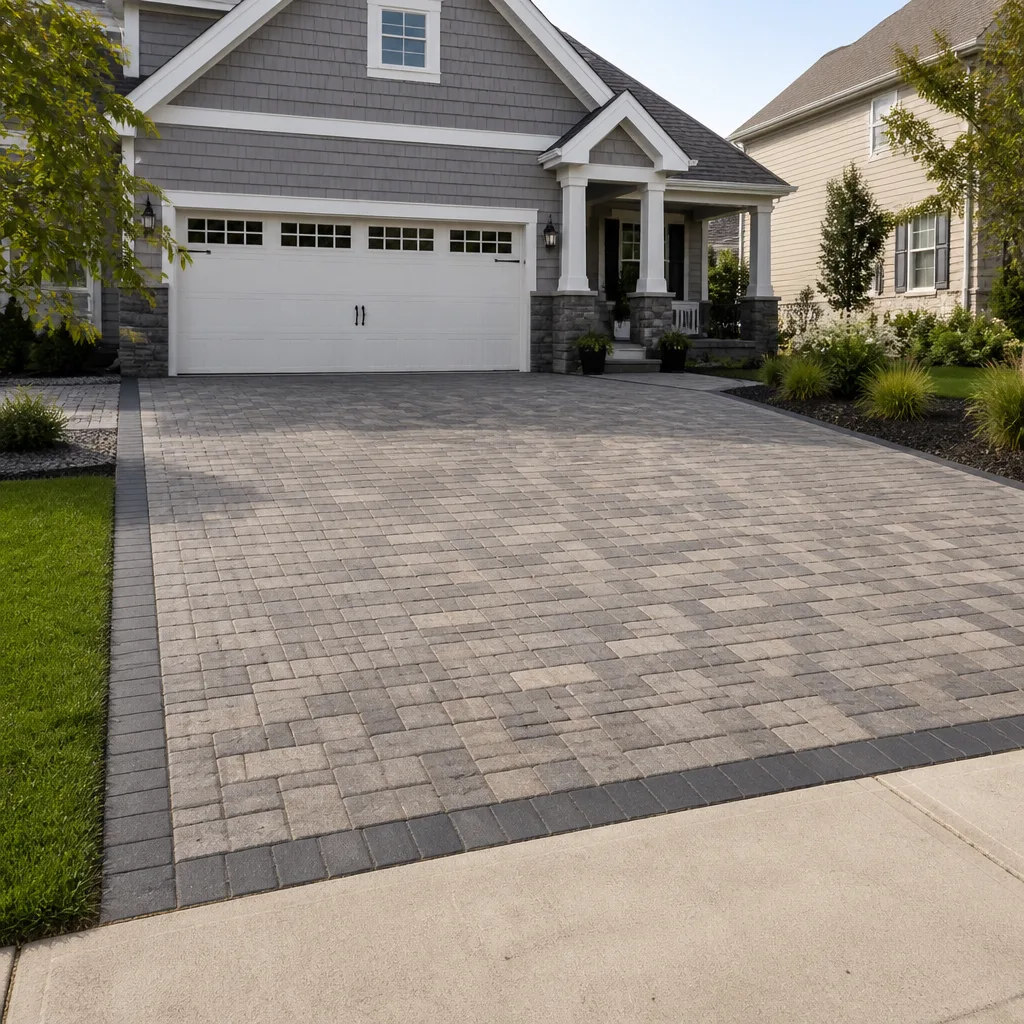 Driveway & pavers
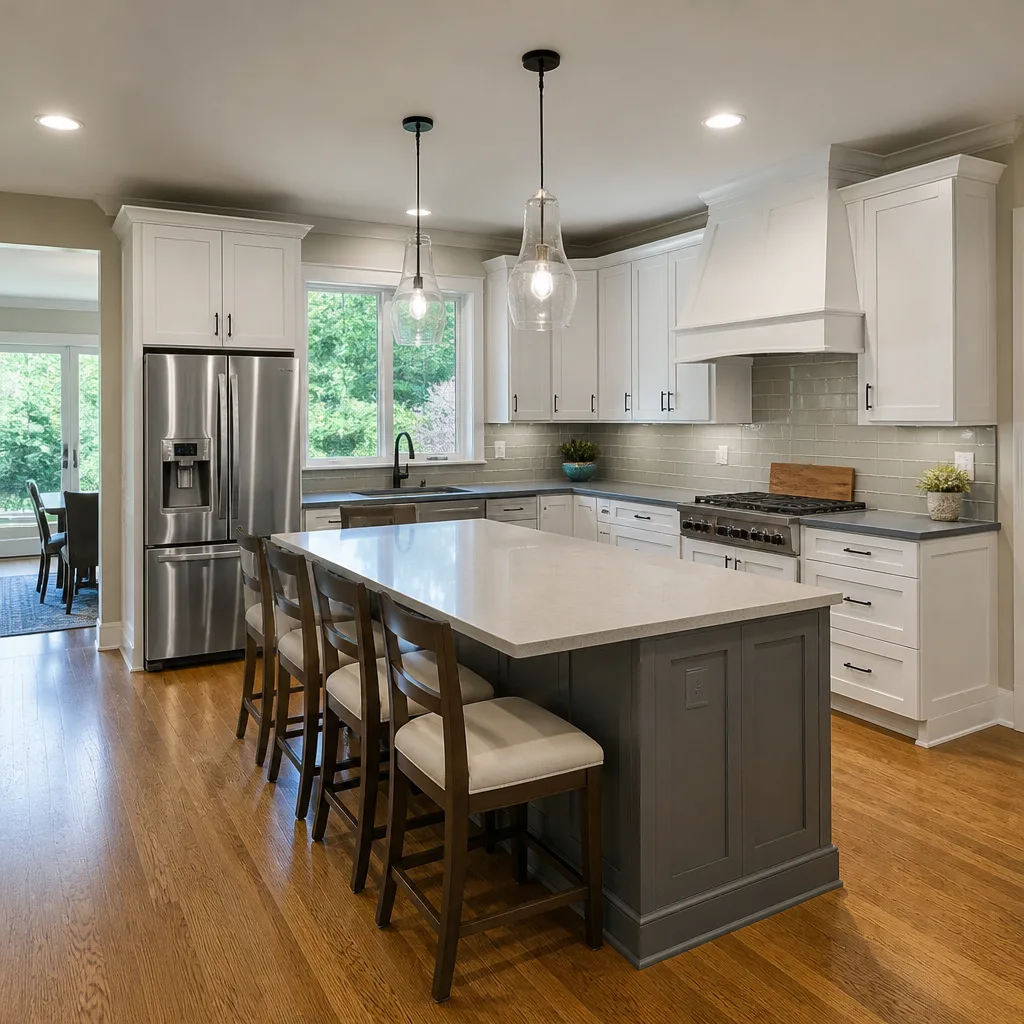 Kitchen remodeling
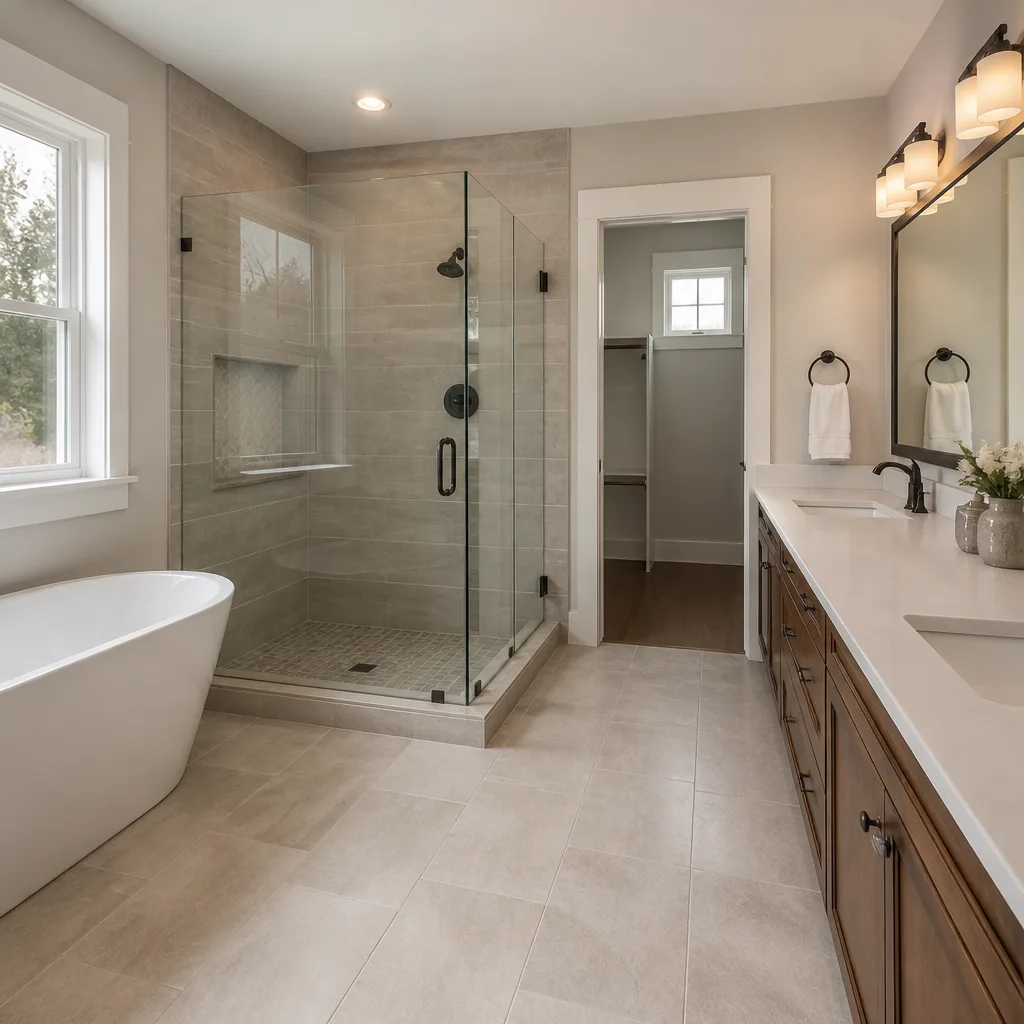 Bathroom remodeling
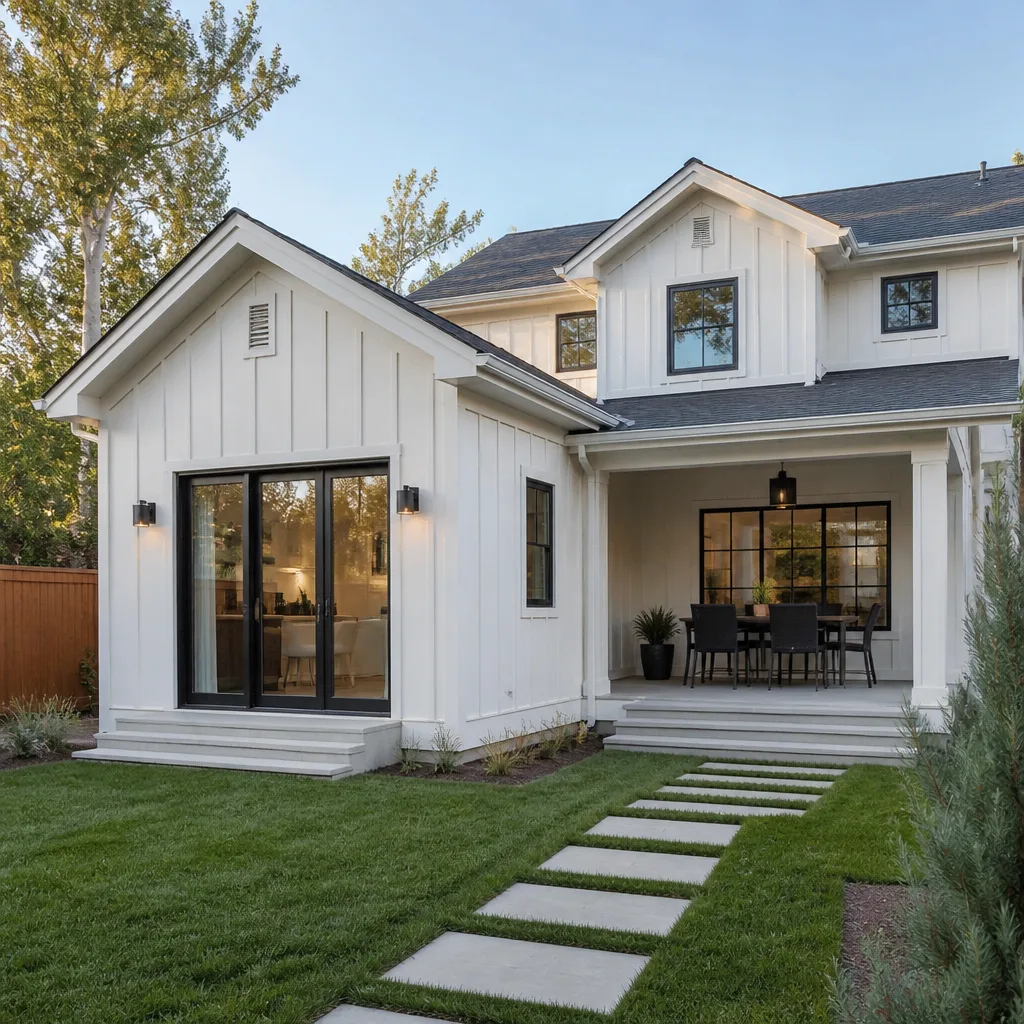 Home additions & ADU
 Roofing
 Windows & doors
 Fence
Free written scope consultation - allowances, timeline, and change-order rules on paper before a single trade is scheduled
The Complete Driveway & Pavers Guide for Hayward Homeowners
Most driveway paver failures in the East Bay aren’t material failures. They’re base failures. A paver rated for fifty years gets laid on six inches of compacted rock over Hayward’s expansive clay, and two winters later the surface is wavy, the joints are opening, and the homeowner is convinced the pavers were cheap. They weren’t. The base was. In this guide we’ll walk through what actually holds a driveway together in Hayward: aggregate base specs for our clay, how concrete, brick, and interlocking pavers compare on the things local homeowners care about, when the city’s Public Works encroachment permit kicks in, and how to sequence a driveway project so your fence crew and your landscaper don’t undo each other’s work.
Quick Answer
A driveway paver installation in Hayward is built to last when three things line up: proper Class 2 aggregate base compacted in lifts over local clay soil, a paver thickness matched to the vehicle loads it will see (60mm for standard drives, 80mm where trucks or dual-axle vehicles park regularly), and a permit pulled through Hayward Public Works when the work touches the public right-of-way at the approach apron. Skip any of those three and the surface looks fine on day one and starts moving by the second or third winter.
Styles & brands we work with
- Kitchen remodeling
- Bathroom remodeling
- Home additions & ADU
- Roofing
- Windows & doors
- Driveway & pavers
- Fence
Table of Contents
- Why Base Prep on Hayward Clay Matters More Than the Paver You Choose
- Concrete vs. Brick vs. Interlocking Pavers: An Honest Hayward Comparison
- Hayward Permits for Driveway Approach Work: When Public Works Gets Involved
- Material Grades and Thickness: 60mm vs. 80mm for Real Vehicle Loads
- What Drives the Cost of a Paver Driveway in Hayward
- How to Sequence a Driveway Project Alongside Fencing, Grading, and Landscaping
- The Masonry Brands We Work With and Why Material Choice Is Yours
- Common Mistakes to Avoid
Why Base Prep on Hayward Clay Matters More Than the Paver You Choose
The single biggest variable in how long a Hayward driveway holds up is what’s happening under the pavers, not what you see on top. Local soils include expansive clay that swells when it takes on winter moisture and shrinks back through our dry summers. That seasonal cycling is what moves a poorly based paver surface. A rigid base layer that’s properly compacted spreads the load and buffers the movement. A shallow or loose base does the opposite: it lets the clay work its way up through the joints, the sand layer migrates, and the pavers start to tent and shift.
Class 2 aggregate base is the zone we build to here, and it’s a step up from what a lot of inland Bay Area installations are specified for. In dryer-inland markets you’ll see thinner base profiles because the subgrade is more stable. Hayward’s clay doesn’t cooperate with that assumption, and the cost of skimping is visible within a few wet seasons: settlement at the apron, joints opening, and edge restraint lifting.
Here’s how a base that survives Hayward winters is actually built:
- Excavate to the full depth of pavers, bedding sand, and compacted base, not just the paver and sand layer.
- Proof-roll and stabilize the subgrade so soft spots show themselves before anything is placed on top.
- Place Class 2 aggregate in lifts rather than one deep pour, so each layer gets real compaction.
- Compact each lift with a plate compactor and check grade as you go, keeping positive drainage away from the house.
- Set proper edge restraint so the field can’t spread at the driveway’s sides.
- Bed the pavers in coarse sand, then compact again and fill joints before the surface is sealed.
Every one of those steps happens before a single paver gets set. If you’re comparing quotes and one contractor’s number looks dramatically lower, ask what base depth they’re building to and how many lifts. That question tends to explain the difference quickly.
Concrete vs. Brick vs. Interlocking Pavers: An Honest Hayward Comparison
All three surfaces work in Hayward when installed well, but the tradeoffs are different here than they’d be in a drier or a colder market. The relevant comparisons for a local homeowner are how each handles our soil movement, how each ages under BART commuter traffic and daily driver use, and how each fits Alameda County stormwater requirements. Here’s the honest picture:
- Concrete: Lowest installed cost and fastest to pour. But a poured slab is rigid, so it cracks when the clay beneath it moves. Cracks are also why concrete stains badly when oil drips from a commuter’s parked car works into the surface.
- Brick: Excellent curb appeal and very long service life. Traditional clay brick handles color fade well. The catch is cost and the labor intensity of installation, plus brick carried on its own has no interlock system, so base quality matters just as much as with pavers.
- Interlocking pavers: A flexible system that accommodates minor soil movement through the joints rather than cracking. Individual units can be lifted and replaced after a stain or a utility repair. Oil staining is manageable because you replace one paver, not pour a patch.
On stormwater, Alameda County’s requirements favor surfaces that manage runoff on site rather than sheeting it to the street. Permeable paver systems and paver joints that allow infiltration are often easier to fit into that framework than a continuous poured slab, though the exact compliance path depends on your property and the scope of work. That’s a conversation worth having before the design is final.
On frost heave: Hayward doesn’t see the hard freezes that break up pavers in mountain climates, so ground heave isn’t a primary failure point here. The movement to plan for is the shrink-swell behavior of local clay during wet winters and dry summers, which is a base-design problem, not a top-layer problem.
Hayward Permits for Driveway Approach Work: When Public Works Gets Involved
The permit question trips up more Hayward homeowners than any material decision, so let’s draw the line clearly. Work entirely on your private property, from the garage door back to your property line, generally doesn’t trigger a Public Works encroachment permit. The moment the work touches the public right-of-way, including the approach apron that crosses the sidewalk and connects your driveway to the street, you’re in public-work territory and a Public Works encroachment permit is typically what applies.
Two practical reasons to sort this out early:
- The apron is where inspectors look first. A driveway that was repaved inside the property line but has a cracked approach crossing the sidewalk looks incomplete and can raise questions on a future sale or inspection.
- Right-of-way work carries standards. The apron’s slope, material, and how it meets the curb have requirements, and getting them wrong means redoing the work.
How to know which side of the line you’re on:
- Locate your property line against the sidewalk. If your driveway pavement ends before the sidewalk, you’re likely working purely on-property.
- If the pavement crosses or interrupts the sidewalk, plan on an encroachment permit through Hayward Public Works.
- Check whether grading, drainage changes, or a new apron are part of scope, since those often pull the work into the right-of-way.
- Confirm with the city’s building department before demolition, not after – permit timelines shape the project schedule.
We can help with pulling permits and getting inspections passed as part of a broader exterior project, and we’ll flag early if an approach apron is going to require city review.
Material Grades and Thickness: 60mm vs. 80mm for Real Vehicle Loads
Paver thickness is where a sales pitch and a real spec diverge. Residential-spec interlocking pavers are commonly 60mm. Commercial-spec pavers are commonly 80mm. The difference matters because vehicle weight and how often it parks over the same spot drive how much structural demand the surface actually takes.
- 60mm: Appropriate for a standard residential driveway carrying passenger cars and light SUVs, where the occasional truck backs in but doesn’t park regularly.
- 80mm: The better call where heavier vehicles park on the same spot for long stretches, where a camper or work truck lives in the drive, or where the driveway doubles as a turnaround for dual-axle vehicle loads.
BART commuter vehicles are a real factor in Hayward. If your drive is parked over every weekday by a heavier vehicle, the pavers carrying that load position benefit from the thicker spec. For dual-axle vehicle loads that live on the driveway, 80mm is a straightforward choice.
Material grade also matters. Many lines come in both residential and commercial ratings within the same style, so the same look can be had at either durability level. That’s a decision we’d make with you based on how the driveway gets used, not by defaulting to the cheapest unit the supplier stocks.
What Drives the Cost of a Paver Driveway in Hayward
Pricing a paver driveway is more about inputs than a single number, because base depth, paver choice, and permit scope all move the total. Here’s what contributes to the estimate:
- Base excavation and Class 2 aggregate depth: the largest lever, and the one where cutting corners costs most later.
- Paver thickness and brand tier: 60mm vs. 80mm, and residential vs. commercial grade within a line.
- Square footage and complex shapes: curves, borders, and drainage tie-ins add labor.
- Edge restraint and drainage: how the surface manages water away from the house and toward the street.
- Public Works encroachment permit and apron work: if the approach crosses the sidewalk.
We don’t quote a number over the phone because two Hayward driveways of the same size can have very different base conditions. The written estimate sets the final price, and it’s line-itemed so you can see what’s going into the base, the pavers, and the permit scope before you commit. Estimates are free.
See the difference
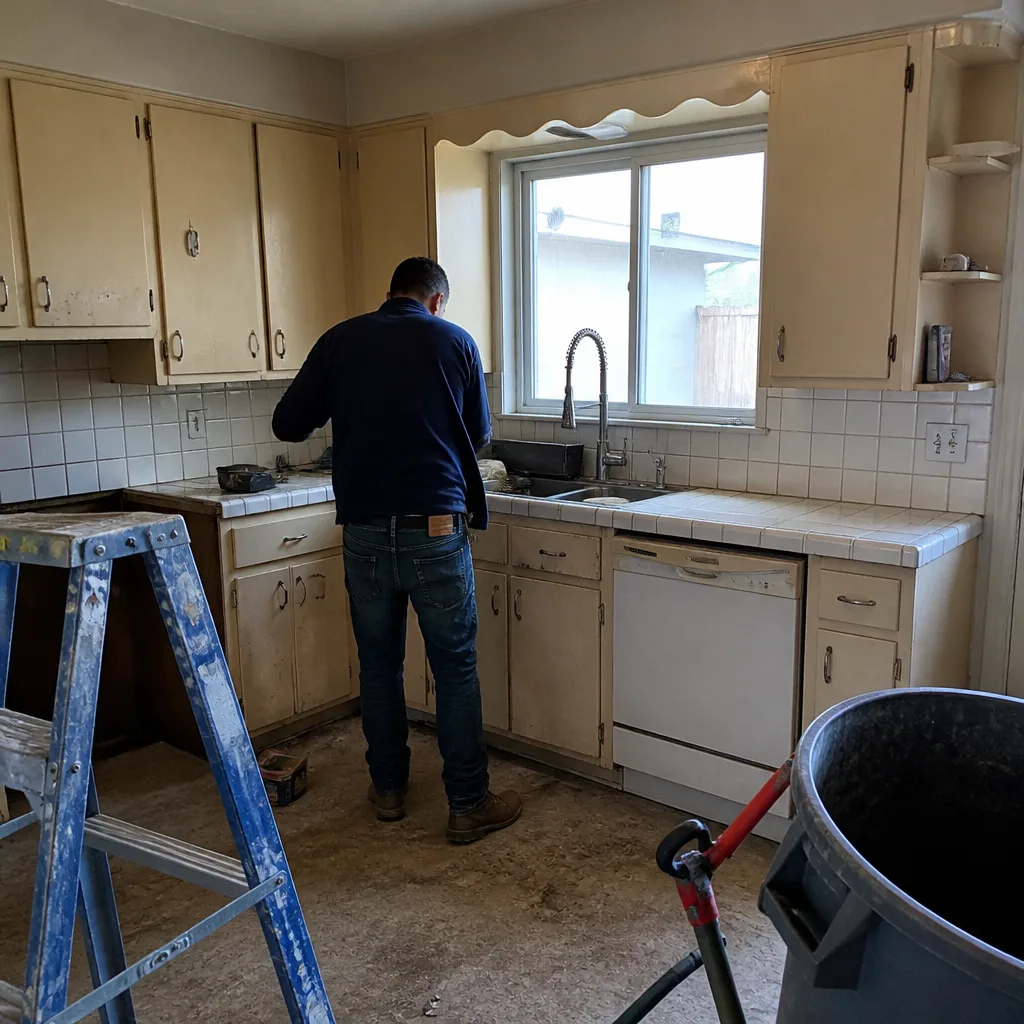 Before
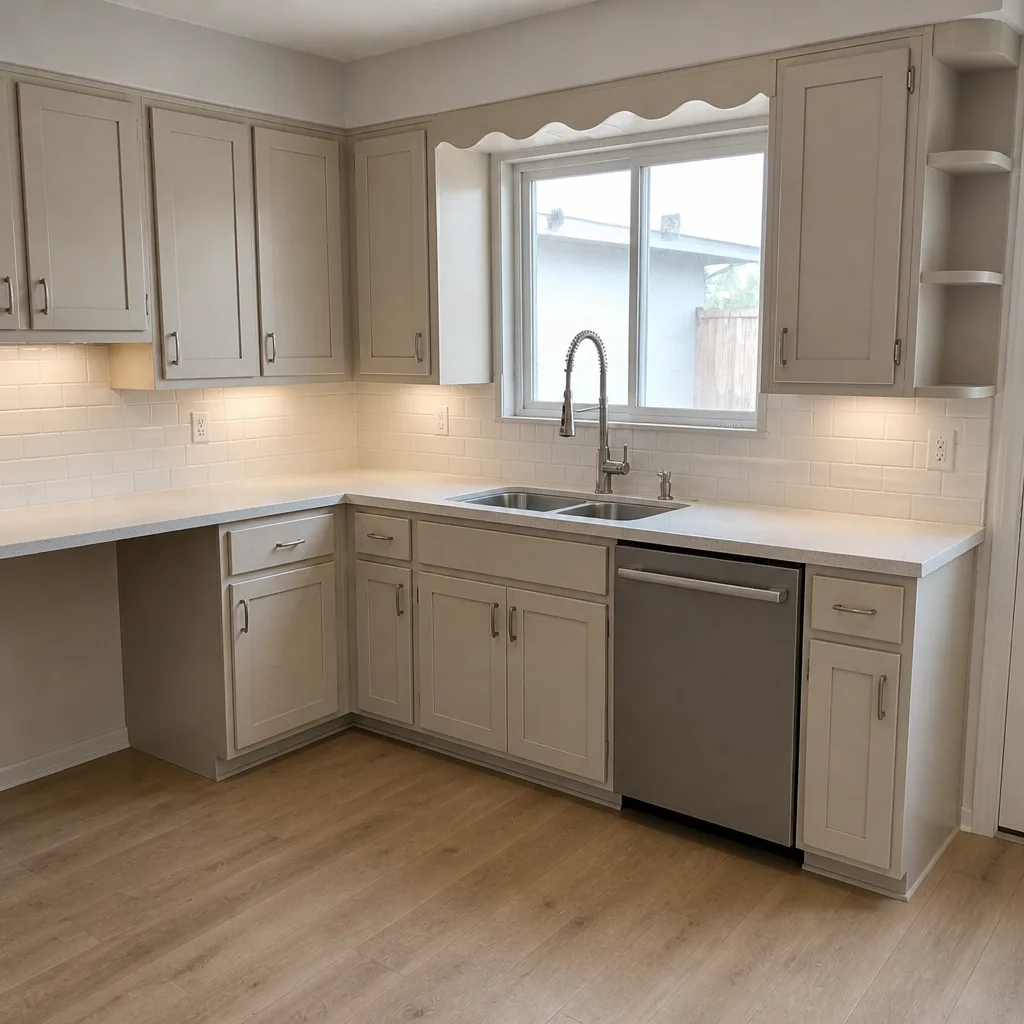 After
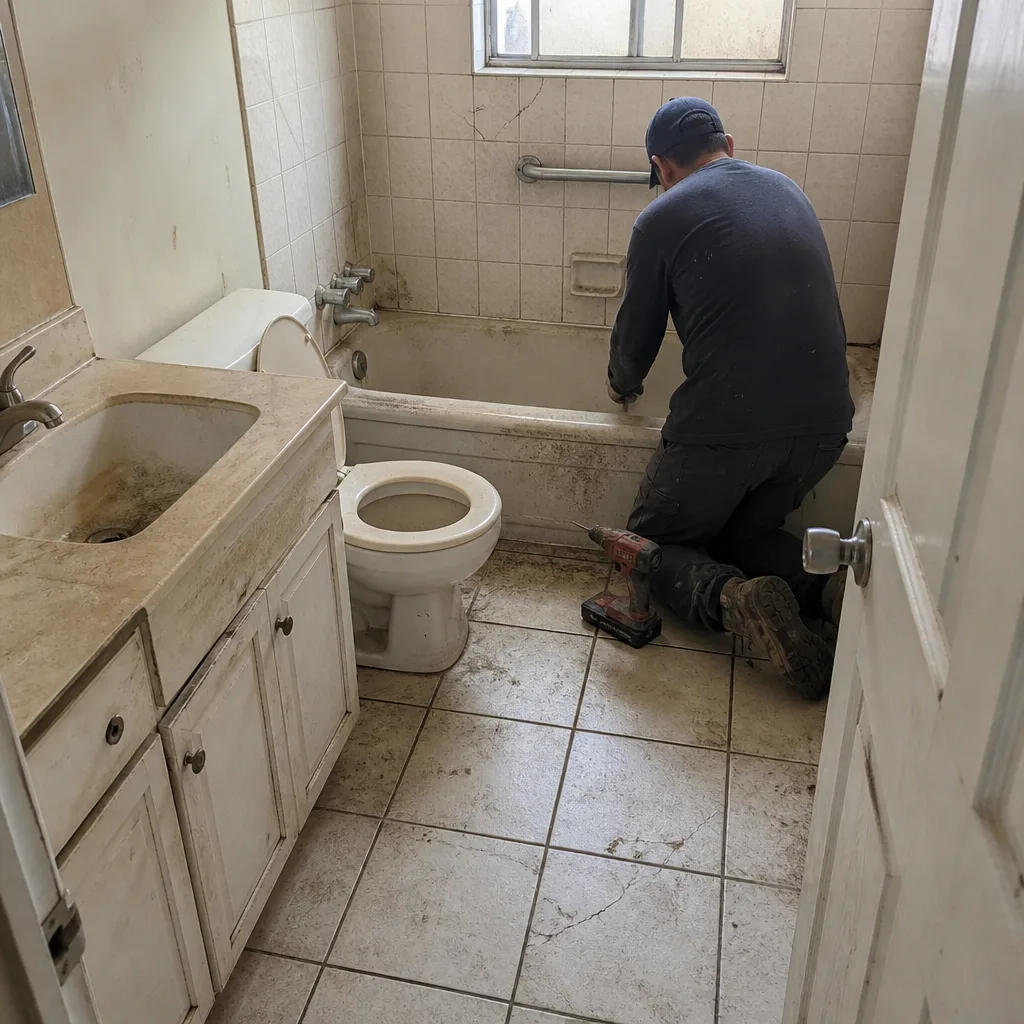 Before
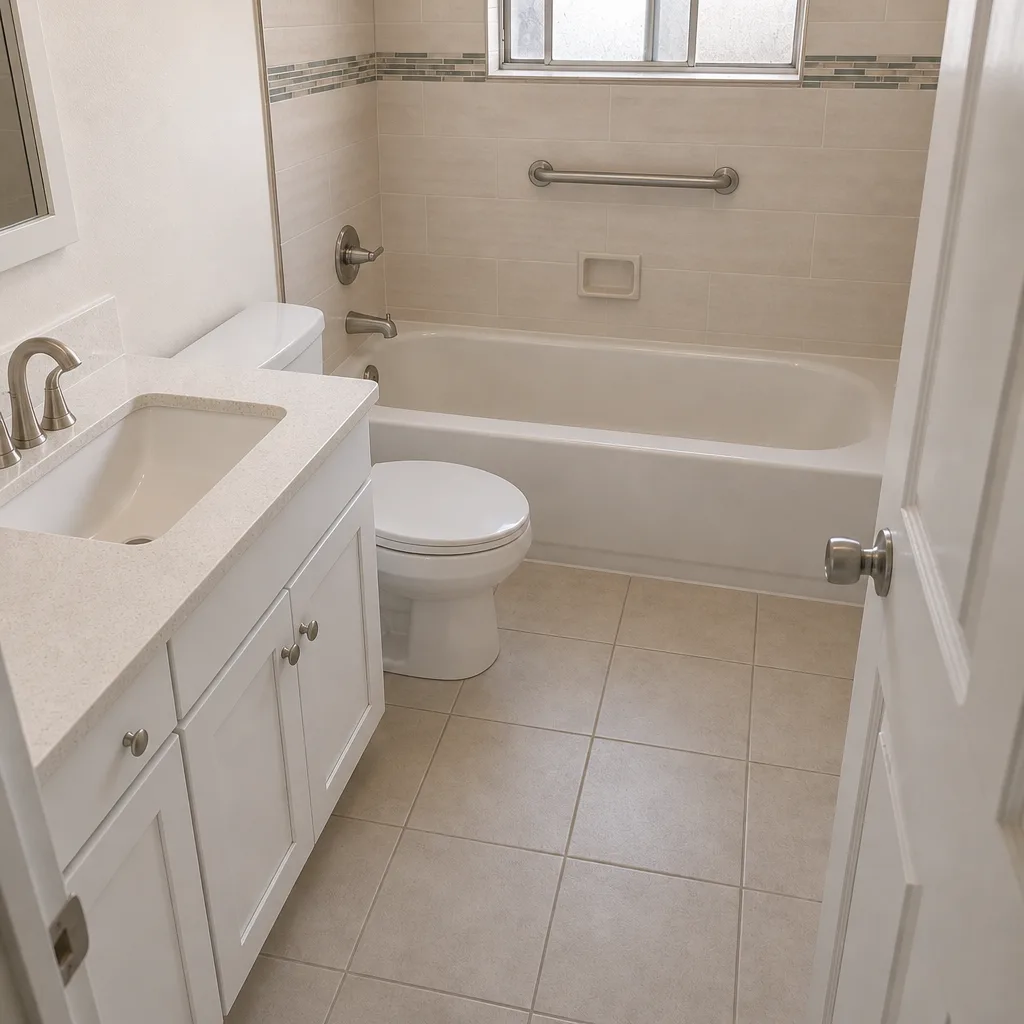 After
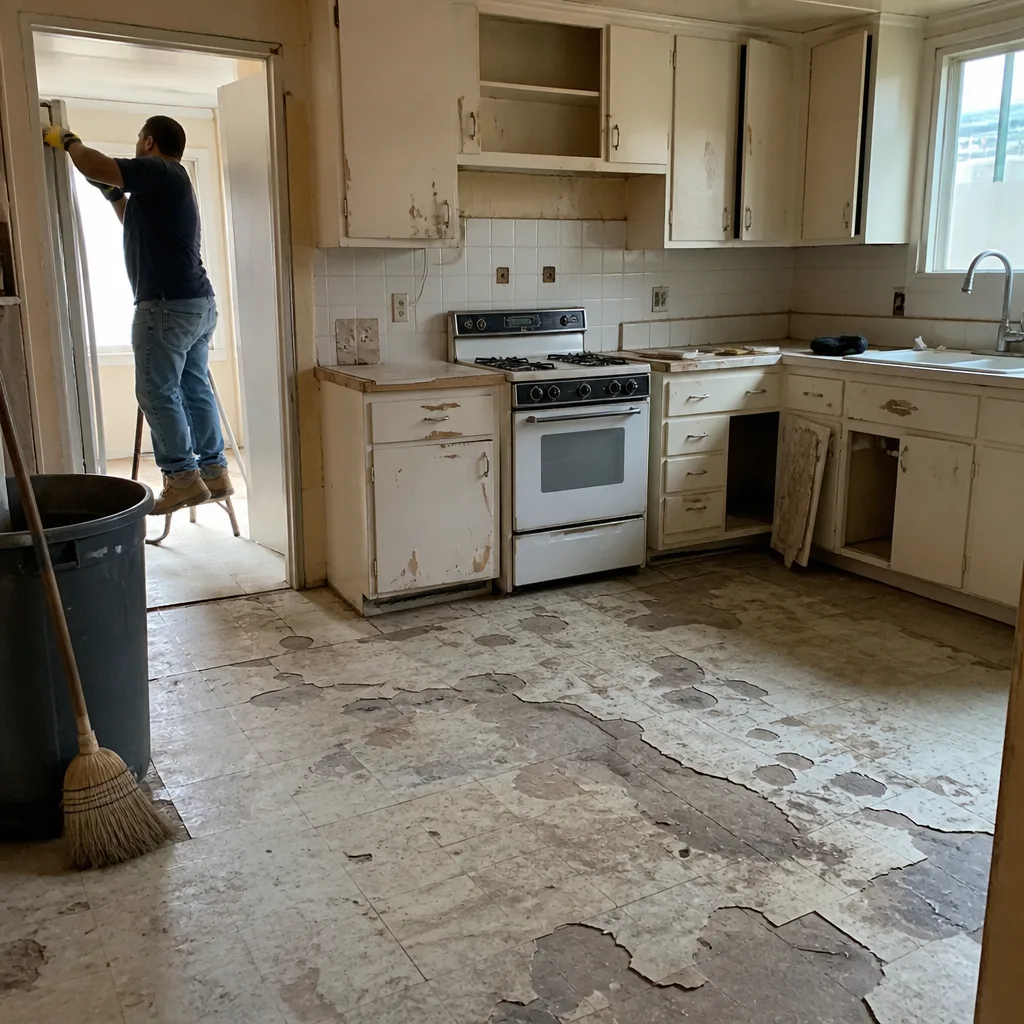 Before
 After
How to Sequence a Driveway Project Alongside Fencing, Grading, and Landscaping
The most common property-wide mistake we see is a homeowner replacing the driveway, fencing, and landscaping in an order that undoes work. The pavers go in first, then the fence crew digs post footings next to them, then the landscaper regrades the yard and now water runs toward the driveway. Sequencing solves most of it.
- Start with grading and drainage. Finalize where water goes before hard surfaces set the grades.
- Install the fence next. Post footings and fence lines are best set before driveway and planting surfaces are finished.
- Then the driveway pavers. Base, restraint, and surface go in last among the hardscape so nothing drives over a fresh bed.
- Finish with landscaping and cleanup. Soil, irrigation, and plants close out the project without disturbing pavers or fence.
This is exactly the kind of continuity we aim for at Construction Hayward: the same company can handle your driveway and pavers, fence installation, and the exterior-facing work on the house so the trades aren’t chasing each other to redo the same ground. If you’re also planning an interior remodel alongside the exterior project, the sequencing still matters – you don’t want a dumpster rolling over fresh pavers on the way to the kitchen.
Paver Brands, Fence Brands, and Why Material Choice Is Yours
We work with driveway & pavers materials from Belgard, Unilock, Tremron, and other masonry lines so we can match a style and durability grade to how your Hayward driveway actually gets used. Your name-brand choices aren’t limited to whatever a single supplier has on hand. That same approach applies across the trades: the fence crew pulls from ActiveYards and six other fence brands across aluminum, vinyl, steel, and ornamental styles, and the exterior-to-interior continuity means the same company that lays your pavers can handle the fence installation and the house’s siding and windows without handing you off to a different crew.
If the driveway project is part of a larger plan to add space or bring in rental capability, our home additions & ADU capability runs through prefab and modular partners including Abodu, Dvele, Mighty Buildings, and Boxabl, which gives faster timelines and more budget options than stick-built only. The pavers and the ADU approach share a common thread: the base and the plan come first, and the finish is chosen from a real range of products, not a default.
Common Mistakes to Avoid
- Building to inland dry-climate base specs. Thinner base profiles designed for stable inland subgrades fail on Hayward’s clay within a few winters, and the surface gets blamed instead of the base.
- Skipping the Public Works encroachment permit for the approach. The apron is where inspectors look first, and rework in the right-of-way costs more than the permit.
- Choosing paver thickness by look instead of load. A 60mm paver is fine for cars and light SUVs, but a dual-axle vehicle parked on the same spot calls for 80mm.
- Sequencing landscaping after the pavers. Regrading the yard after the driveway is set can send water toward the pavers and leave fresh surfaces underfoot during planting.
- Ignoring edge restraint. Without proper restraint, the field spreads at the sides and joints open, which shows up first at the apron.
- Overlooking drainage away from the house. Positive slope away from the house matters in a wet-winter, dry-summer climate like Hayward’s.
- Comparing quotes without comparing base depth. A dramatically lower number usually answers the question on its own once you ask how many lifts of Class 2 aggregate are included.
When to Call a Professional
If your current driveway is more than a cosmetic refresh, bring a pro in. That means any project where the base is being rebuilt, where the approach apron touches the sidewalk, where grading changes how water moves, or where the driveway is one piece of a larger exterior plan alongside fencing and landscaping. Base work is where most of the failure risk lives, and it’s not visible once the pavers go down. Lifting and resetting pavers, setting edge restraint to spec, and building to Class 2 aggregate at the right depth are the kind of work that pays back over the life of the driveway. Construction Hayward offers free estimates in Hayward – call (833) 510-5312. We answer 24/7. Fast dispatch from 7am to 7pm, Sunday through Friday.
Frequently Asked Questions
A properly based interlocking paver driveway in Hayward typically lasts many years, and the pavers themselves are commonly rated for decades. The variable is the base: built to the correct Class 2 aggregate depth and compacted in lifts over local clay, the surface resists seasonal movement. Skip that and shifting can start within two or three winters. Call (833) 510-5312 for a free estimate on your driveway.
If the work stays entirely on your private property, you generally don’t need a Public Works encroachment permit. If the pavement crosses or interrupts the sidewalk at the approach apron, a Public Works encroachment permit through Hayward typically applies. Confirm the scope with the city’s building department before demolition. Call (833) 510-5312 to talk through your project.
60mm residential-spec pavers suit a standard driveway carrying passenger cars and light SUVs. 80mm commercial-spec pavers are the better choice where heavier vehicles park on the same spot, or where dual-axle loads use the driveway regularly. If you’re unsure which applies, an estimate will clarify it. Call (833) 510-5312 for a free estimate.
Interlocking pavers are designed to flex with minor soil movement instead of cracking the way a rigid slab can. The key is building the base to local spec, because a shallow or loose base lets the clay work upward and the surface move. Properly based, the system accommodates seasonal movement. Call (833) 510-5312 for a free estimate.
Yes. We can handle driveway pavers, fence installation, and the exterior-facing work on the house under one contract, with one project manager and one warranty conversation. That sequencing keeps the fence crew from digging next to fresh pavers and the landscaper from regrading after the driveway is finished. Call (833) 510-5312 to plan a free estimate.
The cost depends on base depth, square footage, paver thickness and grade, edge restraint and drainage, and whether a Public Works encroachment permit and apron work are involved. Two same-size driveways can price differently because of the base. The written estimate is line-itemed and sets the final price, and estimates are free. Call (833) 510-5312.
The Bottom Line
A Hayward driveway lives or dies on what’s underneath it. Class 2 aggregate at the right depth, compacted in lifts over local clay, with proper edge restraint and drainage, is the whole story. On top of that, match paver thickness and grade to how the driveway actually gets used, and sort out the Public Works encroachment permit before the approach apron gets touched. If you sequence grading, fencing, and landscaping in the right order, nothing has to be redone. One contractor from the driveway to the kitchen makes it easier, and estimates are free. Call (833) 510-5312. We answer 24/7. Fast dispatch from 7am to 7pm, Sunday through Friday.
Written by the team at Construction Hayward.