
Last updated November 16, 2026
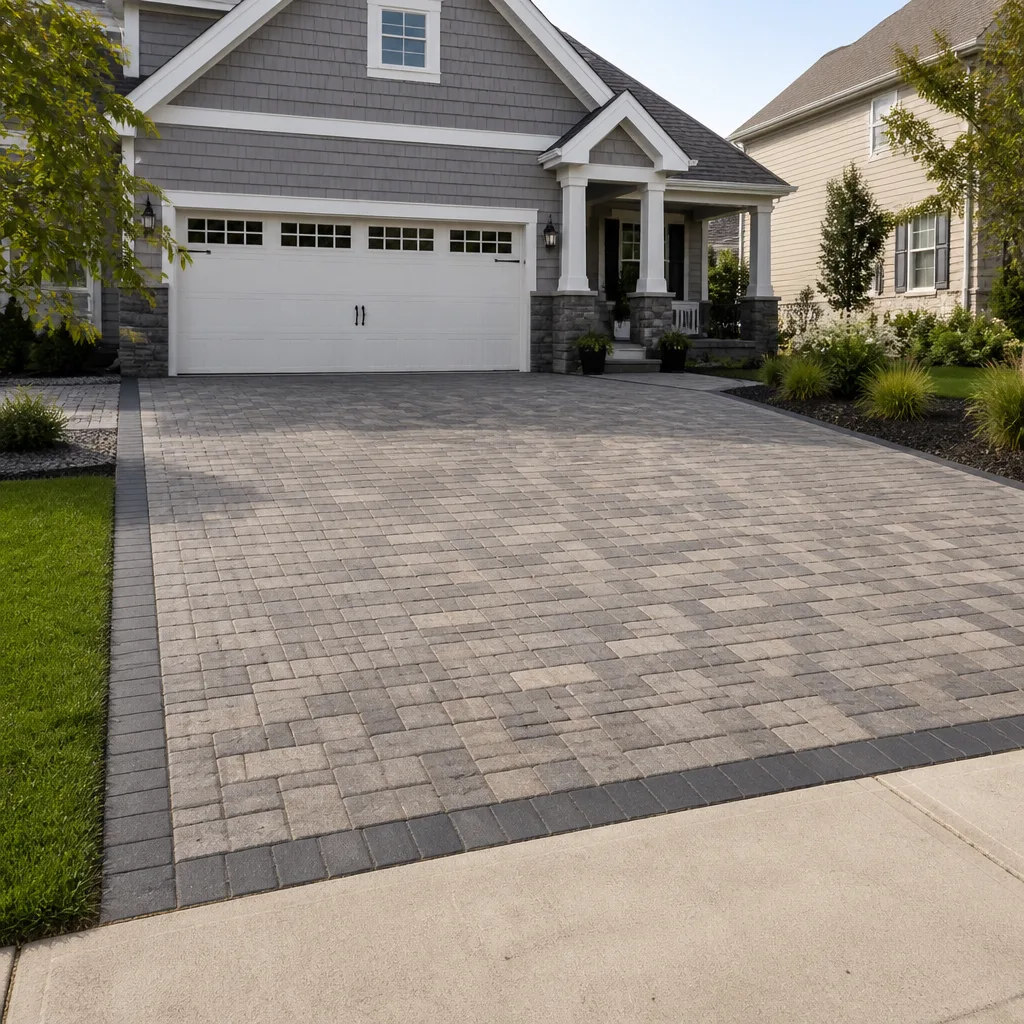 Driveway & pavers
 Kitchen remodeling
 Bathroom remodeling
 Home additions & ADU
 Roofing
 Windows & doors
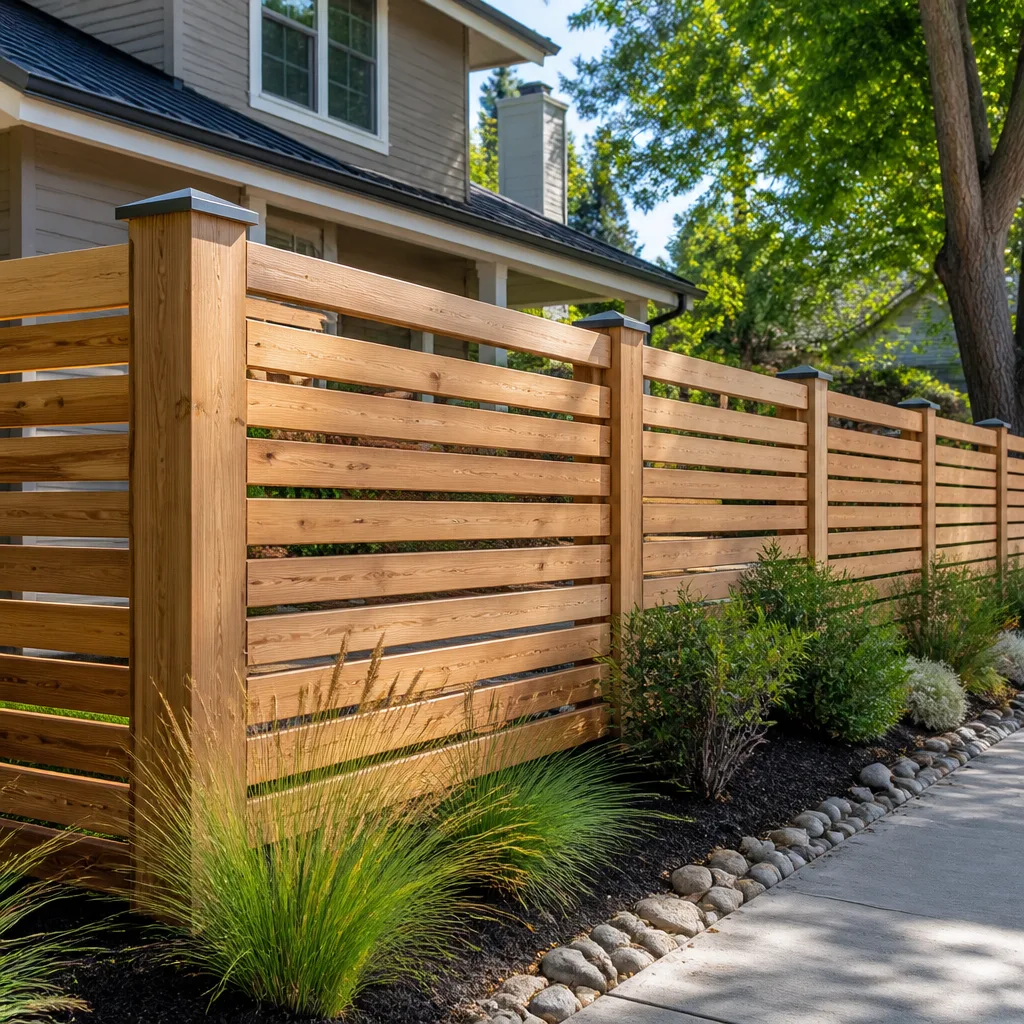 Fence
Free written scope consultation - allowances, timeline, and change-order rules on paper before a single trade is scheduled
Driveway & Pavers Maintenance Checklist for Hayward Homeowners
The most common driveway failure in Hayward isn’t surface cracking. It’s base failure from clay soil movement that most homeowners misread as a top-down problem and try to patch from above, which wastes money and delays the real fix. If you’ve filled the same crack three winters running, or your pavers ripple after the first heavy rain in November, the issue is almost certainly underneath the surface, not on it. Hayward’s mix of winter moisture and summer dry heat on expansive clay puts your driveway through a cycle that generic advice doesn’t account for. This checklist is built around what actually happens to driveways here, from the November rain trigger to the August dry peak, and it’ll help you tell a cosmetic problem from a structural one before you spend a dollar on repair.
Quick Answer
Maintaining a driveway in Hayward means inspecting twice a year for clay-soil movement: once after the first soaking rain in November, when joints and edges reveal base settlement, and once in late August, when dry-season shrinkage opens cracks and dries out joint sand. Most surface problems are cheap to fix; the ones to watch for are paver rocking, sunken sections, and joint sand washout that signals base or drainage trouble underneath. If you catch those early, a driveway’s surface lasts far longer than most homeowners expect.
Styles & brands we work with
- Kitchen remodeling
- Bathroom remodeling
- Home additions & ADU
- Roofing
- Windows & doors
- Driveway & pavers
- Fence
Table of Contents
- Why Hayward’s Climate Makes Driveway Maintenance Different
- Seasonal Inspection Calendar for Hayward Driveways
- How to Tell Polymeric Sand Washout from Base Settlement
- Concrete vs. Paver vs. Asphalt Maintenance in Hayward
- Why Drainage Slope Matters More Than Paver Choice
- What a Correctly Built Paver Base Looks Like in Hayward Clay
- DIY Repair vs. Calling a Crew
- Common Mistakes to Avoid
- When to Call a Professional
- Frequently Asked Questions
Why Hayward’s Climate Makes Driveway Maintenance Different
Hayward doesn’t freeze, so you’d think a driveway here would last longer than in a snowbelt. In practice, the opposite is often true. What we don’t have in freeze-thaw cycles, we make up for with a wet-winter, bone-dry-summer swing that works on the expansive clay soil underneath most driveways in the East Bay, and that swing is what moves your pavers and opens your concrete.
Here’s the mechanism. In a wet winter, clay absorbs water and swells. In a dry summer, it shrinks and cracks. A driveway over poorly compacted or clay-heavy subgrade rides that movement every year. Concrete resists for a while, then cracks along the weakest plane. Pavers shift, rock, or sink. Asphalt flexes and hairline-cracks. None of this is a surface problem, and patching from the top treats the symptom while the soil keeps working underneath.
Two local realities compound it:
- Winter rain volume. The East Bay gets most of its moisture in a short, heavy window. A few big storms test every joint, edge, and drainage path in one season.
- Summer dry heat. By August, clay shrinks noticeably. Joint sand dries and loosens, and small cracks widen. That’s why late-summer inspection matters as much as the post-rain check.
If you’re shopping for a new driveway rather than maintaining an old one, our driveway & pavers page covers material choices and what to ask before an install. But for a driveway you already own, the checklist below is where to start.
Seasonal Inspection Calendar for Hayward Driveways
Two inspection windows do most of the work in Hayward. The first November rain is your structural check: it exposes every settlement point and drainage failure at once, because water pools exactly where the grade is wrong. And the August dry peak is your surface check, when shrinkage opens cracks and dries out joint sand. Skip either one and you’ll spend money on the wrong fix.
Here’s the calendar that fits Hayward weather:
- Late October (pre-rain walkthrough). Clear drainage channels, driveway edges, and any French drain inlets before the first storm. Debris left over from summer turns into standing water once the rain arrives.
- First November rain (structural check). Walk the driveway during and just after the heaviest rain. Note every puddle, every sunken paver, every spot where water runs toward the house instead of away.
- Late January (mid-winter re-check). Revisit the same spots. If settlement deepened after additional rain, that’s a base or drainage issue, not surface wear.
- March (transition wedge). Look at concrete and asphalt for new cracks that opened during wet-dry cycling, and clean out joints before summer shrinks them further.
- Late August (dry peak). Inspect for widened cracks, dried-out joint sand, exposed edges, and any paver that’s now loose or rocking. This is the window to re-sand before the fall rain finds every gap.
- Every 6 months (joint-sand test). Scuff a few paver joints with a broom handle. If the joint looks like a shallow crevice rather than a filled, firm channel, the sand needs refreshing before winter.
Write down what you find each season. After two or three cycles, the pattern tells you whether a spot is stable or slowly failing, which is often the difference between a small repair and a base rebuild.
How to Tell Polymeric Sand Washout from Base Settlement
Polymeric sand washout and base settlement both leave pavers looking disturbed, which is why people confuse them. The difference is what you see after the water moves: washout dries from the joint outward and the pavers stay flat, while settlement lifts or rocks individual pavers and leaves a low spot the water finds by pooling, not just by draining through the joint.
Here’s how to test each one without tools:
- Washout test. Is the sand in the joints missing but each paver sitting flat? Does the gap run mostly along a slope or a paver edge where water rushes? That’s washout, usually a surface fix: re-sand with a stabilized polymeric sand and correct the flow path.
- Settlement test. Step on a single paver. Does it rock or sit noticeably lower than its neighbors? Does water pool in a bowl shape rather than run through it? That’s base settlement, a structural condition that surface repair won’t solve.
- Edges and corners. If the surface is fine but the outer row along a planter or wall drops more than the interior, the base under the edge was probably never compacted correctly. That leads back to installation, not age.
- Water direction after the first soaking. Water that drains through the joints points to washout. Water that gathers and slowly drains off the surface points to a grade or settlement issue underneath.
One rule of thumb: if re-sanding the same joint doesn’t hold after the next storm, the joint problem isn’t the problem. In our experience, a joint that washes out twice in one winter has a base or drainage cause underneath it.
Concrete vs. Paver vs. Asphalt Maintenance in Hayward
No material is maintenance-free in Hayward clay, but the burden differs. Pavers cost the most to install and demand joint maintenance, yet they’re the easiest to repair when the base moves. Concrete is low-touch until it cracks, and asphalt needs the most recurring attention of the three. Here’s how each behaves in Hayward’s wet-winter, dry-summer cycle.
- Concrete. Cracks open along the weakest planes as clay swells and shrinks. Hairline cracks are cosmetic; widening cracks or step-offs between slabs are a sign of base or drainage failure underneath. Concrete also holds water at the edge if the slope is off, which accelerates movement. Repair costs rise quickly once a slab breaks, because patching a failed slab rarely lasts.
- Pavers. Each unit floats independently, which is exactly why pavers fail one at a time rather than all at once. Joint sand is a maintenance item that needs refreshing when washout appears, but pavers can be lifted, re-leveled, and put back. That’s a real advantage in clay soil, where base movement is a matter of when, not if.
- Asphalt. Flexes with the soil, so it holds up better than concrete to mild movement in the short run. But it cracks in the dry-summer peak and ravels at the edges where water runs off. Sealer and edge repairs become recurring costs; without them, cracks widen and let water into the base.
If you’re weighing replacement rather than maintenance, our Construction Hayward service overview covers the full range of driveway and paver options, from Belgard and Techo-Bloc architectural pavers to budget-tier lines from Tremron and Oldcastle. You choose the material; we handle everything else.
Why Drainage Slope Matters More Than Paver Choice
A common misread in Hayward: a homeowner installs premium pavers, sees a puddle after the first big rain, and blames the pavers. In most of these cases, the pavers are fine. The problem is that the lot or the paver field was graded so water has nowhere to go, and no paver brand on the market can fix a grade that drains toward the house or toward a low corner of the yard.
On Hayward’s rolling terrain and older lots, insufficient grade is common. The surface pitch needs to be enough to move water off the driveway toward a drain, a swale, or the street, and not enough to feel steep underfoot. What usually happens instead:
- Driveway slopes toward the garage or house foundation. Water pools at the door, then finds the base from above.
- Paver field is flat or slightly dished in the center. Water sits in the middle until it drains through the joints, washing out sand and softening the base under the low spot.
- Adjacent landscape or fence line blocks the outlet. Water has a place to go on paper but not in practice, so it backs up along the driveway edge.
- Older lots with a shallow grade to the street. The outlet is there but the pitch is marginal, so heavy storms overwhelm it before the water can leave.
If you see standing water in the same spot after every storm, get the drainage evaluated before you re-sand or patch anything. Correcting the grade, adding a channel drain, or repositioning a swale often costs less than a base repair and prevents the next one. A driveway that drains correctly needs far less joint maintenance too, because water moves off the surface rather than through it.
What a Correctly Built Paver Base Looks Like in Hayward Clay
You can’t see the base once the pavers are down, but you can learn what a good one looks like, so you can evaluate whether an existing driveway was built for Hayward clay or whether it’s riding borrowed time. A base built for local conditions has three things: the clay subgrade disturbed as little as possible, a deep compacted crushed-stone layer, and a proper bedding layer that drains. Shortcuts on any of the three show up later as settlement.
What to look for in a well-built base:
- Excavation deep enough to accommodate the full build-up. Good installers dig deep enough that pavers sit flush with adjacent surfaces after the compacted base and bedding layer are added, not on top of the existing grade. A driveway that rides high at the edge usually means the base was thin.
- Compacted crushed-stone base, installed in lifts. Crushed angular stone, laid and plate-compacted in two or more layers, not one thick dump. This is the layer that spreads wheel loads across the clay so it doesn’t point-load and settle.
- A drainage-promoting bedding layer. A thin layer of coarse, well-graded sand or fine aggregate between base and pavers that lets water pass through without softening. Fat clay or dirt used as bedding is a red flag.
- Proper edge restraint. A fixed edge, typically stone or a spiked edge restraint, that holds the outer pavers against lateral spread. Without it, driveways in Hayward’s clay spread outward at the edges over a few seasons.
- Slope checked at the base, not just the surface. Good installers set the base at a slight pitch and confirm it with a level or string line before sand goes down. Surface slope controls where water goes; base slope controls where it doesn’t sit.
If you’ve inherited a driveway that’s sinking at the edges, has pavers riding high near the garage threshold, or shows a visible crown or dip, those are often signs the base was thin or under-compacted from the beginning. That’s not a maintenance failure; it’s a construction one, and no amount of sand or sealer will fix it.
DIY Repair vs. Calling a Crew
Some maintenance tasks belong in your hands. Re-sanding joints, cleaning drainage channels, sealing concrete hairline cracks, and clearing edges are reasonable homeowner tasks that keep a driveway healthy between professional visits. Others, especially anything involving lifting pavers, re-grading, or repairing a settled base, are better done by a crew because a wrong fix compounds the problem and voids any warranty you have.
A useful split:
- DIY-friendly: Sweeping, clearing drains, filling hairline concrete cracks with a flexible sealant, refreshing polymeric sand in isolated washout joints, and pulling weeds along the edge before rain season.
- Call a crew: Any paver that rocks underfoot or has settled more than a fraction of an inch, water pooling in the same spot after multiple storms, edges spreading or pavers walking outward, widening concrete cracks, or a driveway that drains toward the house.
- Always a crew: Anything that requires lifting more than a single paver, re-grading, or accessing the base layer. The base is where most Hayward driveway problems actually live, and getting it wrong the first time typically means tearing the repair back up later.
One more reason to involve a professional early: if the surface has a warranty, moving pavers or re-grading yourself can end it. A crew that documents the condition first keeps your options open.
Common Mistakes to Avoid
- Top-down patching of a base problem. If the same crack or joint opens again within a season, the fix is underneath, not above. Patching over it delays the real repair and often makes it larger.
- Re-sanding a joint that keeps washing out. A joint that fails once is a maintenance item. A joint that fails twice in one winter is a drainage or base signal, and more sand won’t stop it.
- Ignoring standing water after the first November rain. Standing water in the same spot every storm tells you the grade is wrong or a drain is blocked. Fixing the drainage often prevents the base repair that follows.
- Assuming premium pavers fix a bad grade. No paver brand, from Belgard to Techo-Bloc, changes where water flows. Grade first, pavers second.
- Skipping the late-August inspection. By August, Hayward’s dry heat has opened new cracks and dried joint sand. Catching those before the fall rain is far cheaper than repairing after a wet winter.
- Jumping to replacement when a repair covers it. A settled paver field can usually be re-leveled without a full tear-out. Get the diagnosis before you agree to a new driveway.
- Choosing an installer on surface price alone. A paver install is mostly a base install. A low bid that skips excavation depth or lift compaction costs far more the year the driveway settles.
When to Call a Professional
Call a professional when the problem isn’t isolated to the surface. That means pavers that rock underfoot, a section that’s settled noticeably lower than its neighbors, standing water that recurs after every storm, edges spreading outward, or concrete cracks wider than a hairline that keep reopening. In Hayward’s clay, those symptoms usually trace to base or drainage conditions that surface fixes can’t solve. It also makes sense to get a professional inspection before you buy a house with an older driveway, since the surface can look fine on a dry day while the base is already moving. If you’re planning broader property work, such as a new fence installation along the driveway edge that changes where water runs off, have the drainage looked at in the same pass.
Our technicians have up to 11 years of experience in clay-soil driveways and hardscape work, and estimates are free. Construction Hayward offers written line-item quotes, fixed pricing with no change orders, and permits pulled and inspections passed where required. Call (833) 510-5312. We answer 24/7. Fast dispatch from 7am to 7pm, Sunday through Friday.
Frequently Asked Questions
Twice a year covers it: once after the first heavy November rain to check for settlement and drainage problems, and once in late August to catch dry-season cracks and dried joint sand. Add a light walkthrough each spring to clear winter debris and check concrete for cracks that opened during the wet-dry cycle. Call (833) 510-5312 for a free professional inspection if you’re unsure what you’re looking at.
Settlement in isolated spots means the base under that area either wasn’t compacted correctly or didn’t have enough depth to spread wheel loads, so the clay underneath began moving. In Hayward’s expansive clay, a thin or under-compacted base fails first where loads are heaviest or where water drains toward. Re-leveling the pavers usually fixes it; re-compacting the base is the durable fix. Call (833) 510-5312 for an estimate on evaluating your base.
Not automatically, but you should check them every six months. Sand that stays firm and fills the joint holds for two or more years; sand that washes out after the first storm needs refreshing before the next rain. Polymeric sand slows washout, but it doesn’t replace proper drainage or a proper base. Call (833) 510-5312 to schedule a joint inspection.
Sealer improves appearance and slows moisture entry, but it won’t hide or fix structural cracks. A crack that reopens within a season after sealing is typically a base or drainage problem showed through. Sealing is a maintenance step, not a repair. Call (833) 510-5312 for an estimate before you spend on sealer that won’t hold.
Hairline cracks that don’t widen and don’t disrupt the edges are cosmetic and cheap to seal. Cracks that widen season to season, or that come with a step, a dip, or a paver that rocks next to them, point to movement underneath the slab. In Hayward, that’s usually clay expansion against an inadequate base or a grade that feeds water under the surface. Call (833) 510-5312 for an evaluation before you spend on a patch.
Sometimes, but only if there’s room for the base and bedding layer without a step at the edges and without trapping water. In Hayward’s clay, a driveway already showing movement usually needs the failing base corrected first; covering it traps the problem. A qualified installer should evaluate the existing base before quoting an overlay. Call (833) 510-5312 for a free estimate.
The Bottom Line
Hayward driveways live on clay that swells in winter and shrinks in summer, so the maintenance that matters is structural, not cosmetic. Inspect after the first November rain and again at the August dry peak. Learn the difference between joint-sand washout (surface, fixable) and base settlement (structural, needs a crew). And check your drainage slope before blaming the pavers themselves, because on most Hayward lots the grade is the real issue. Catch the symptoms early and a driveway can last far longer than a generic maintenance schedule would suggest. When a problem looks structural, get it evaluated before the next storm does the rest.
Construction Hayward handles driveway and paver work alongside six other residential trades, including home additions & ADU projects, so one contractor from the driveway to the kitchen is your single point of accountability. You choose the material; we handle everything else. Call (833) 510-5312 for a free estimate. We answer 24/7. Fast dispatch from 7am to 7pm, Sunday through Friday.
Written by the team at Construction Hayward.
See the difference
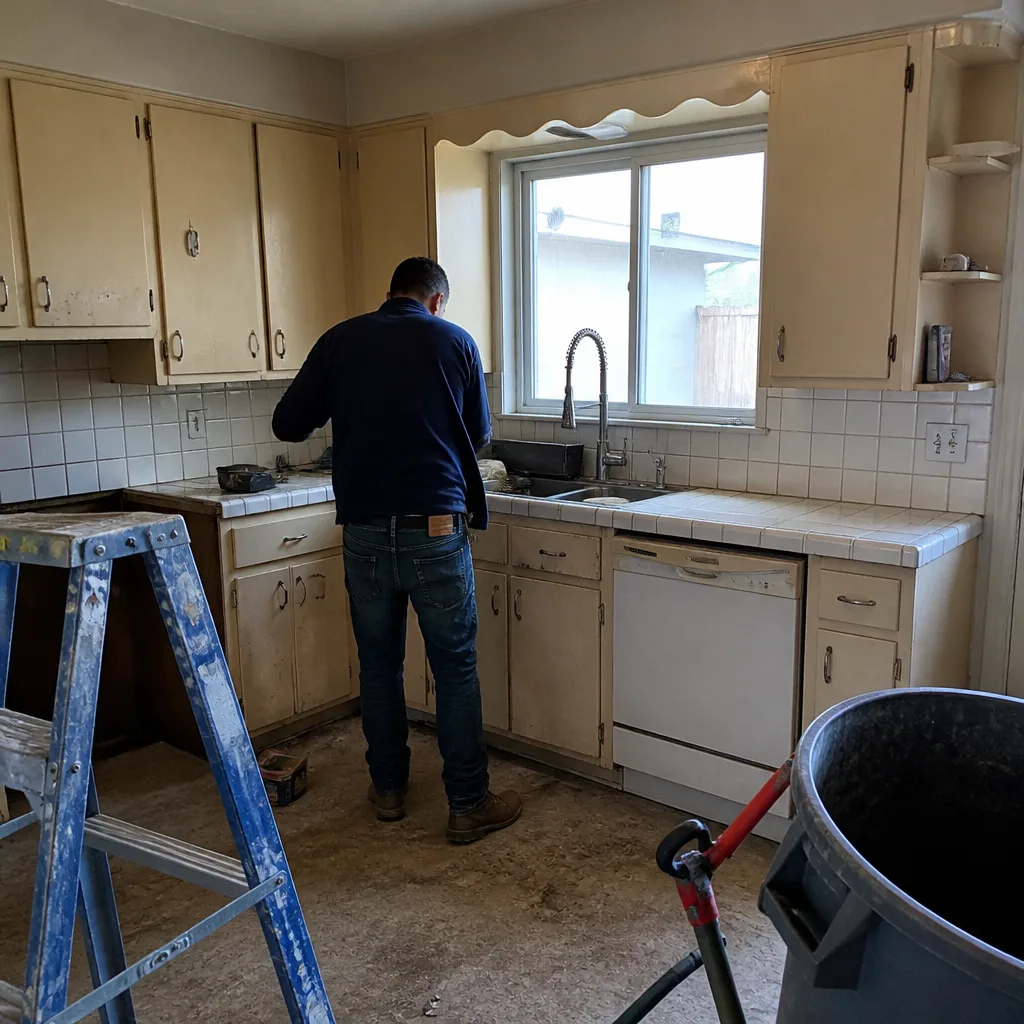 Before
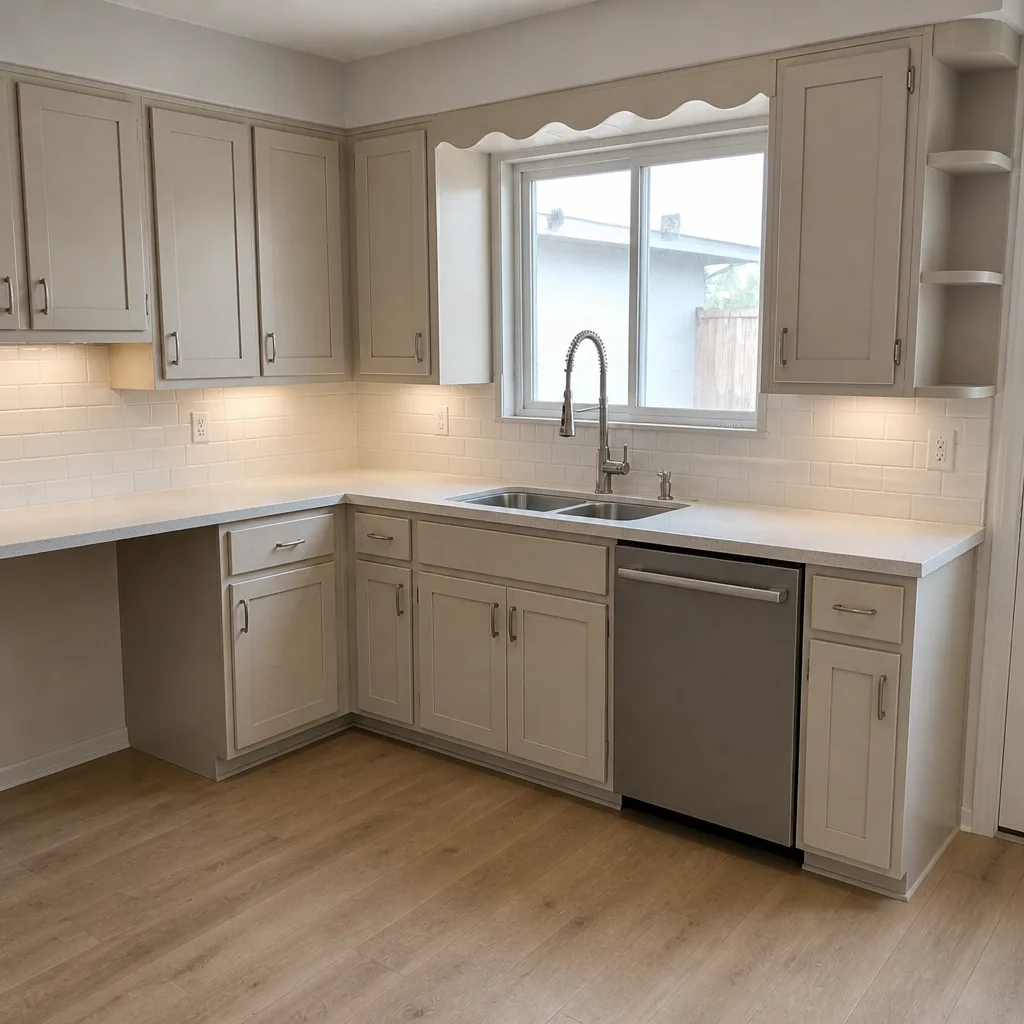 After
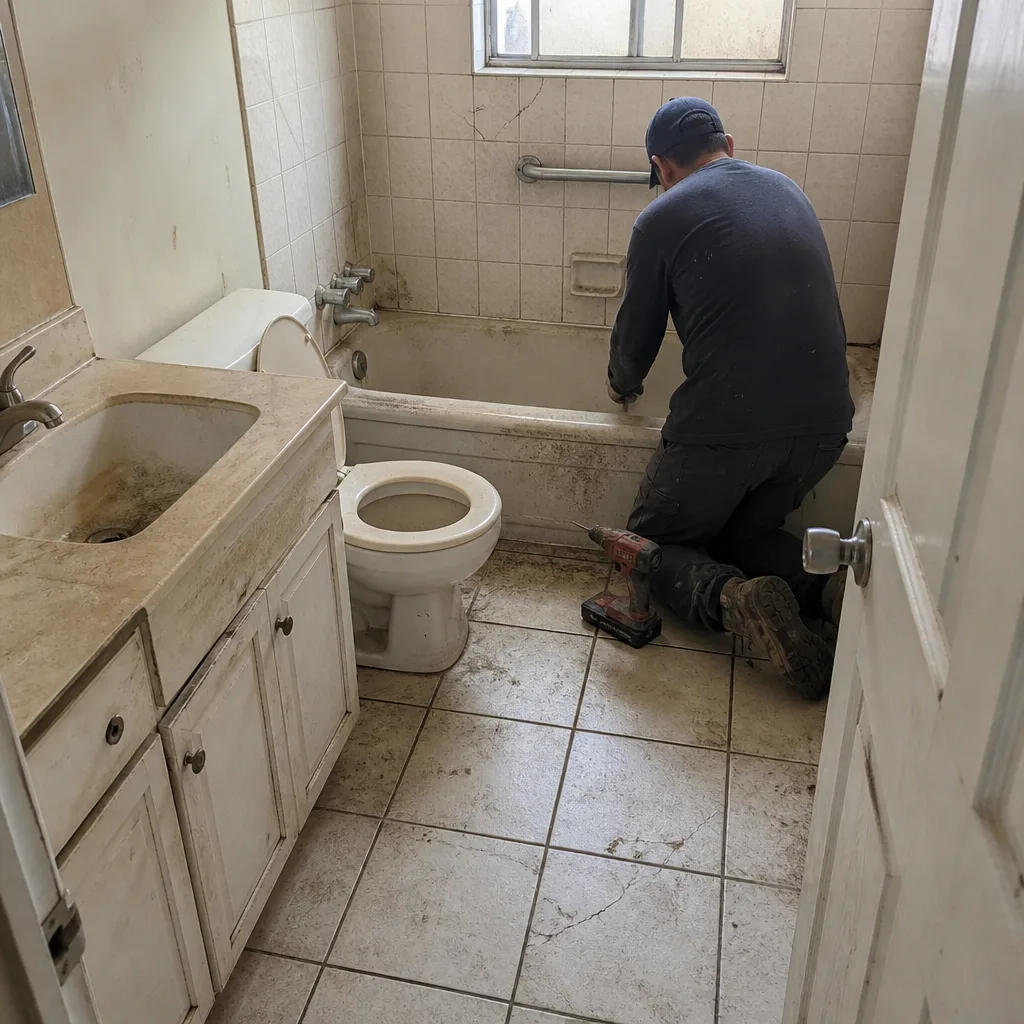 Before
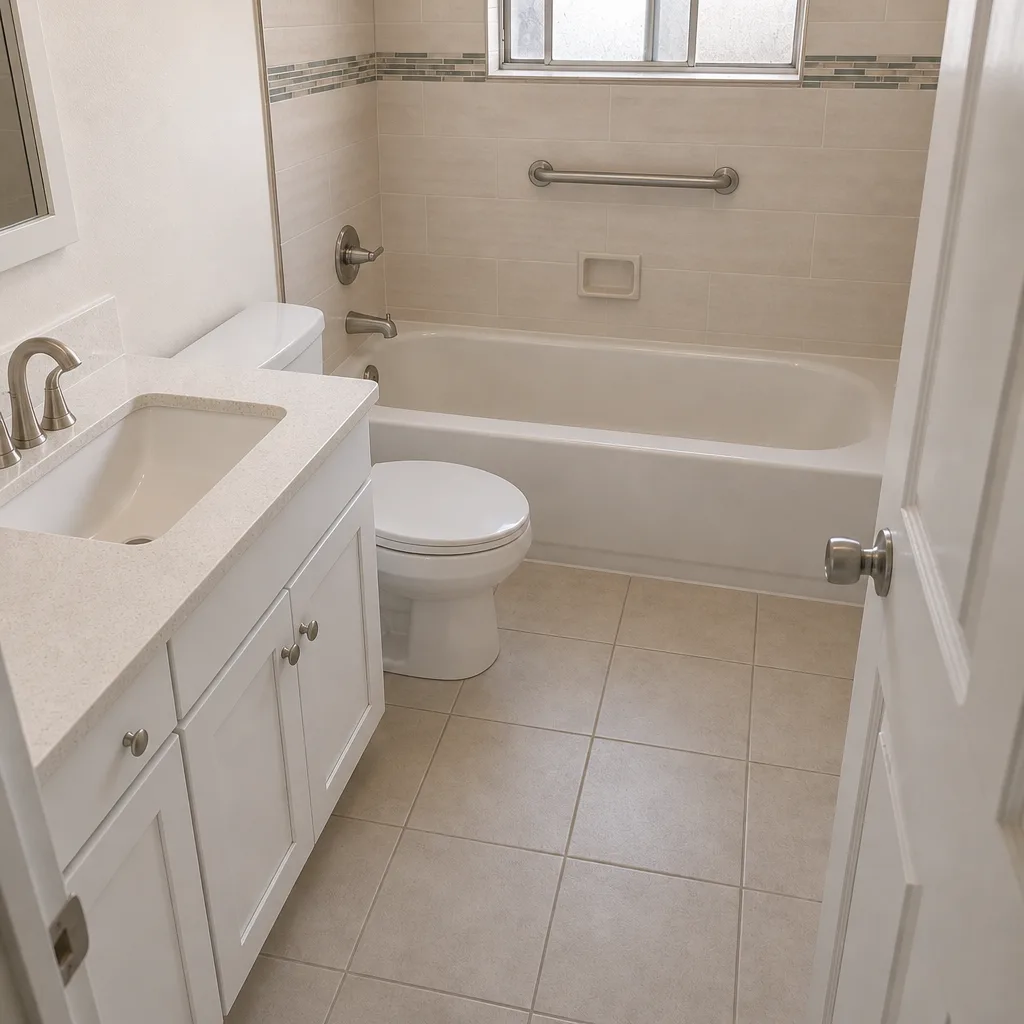 After
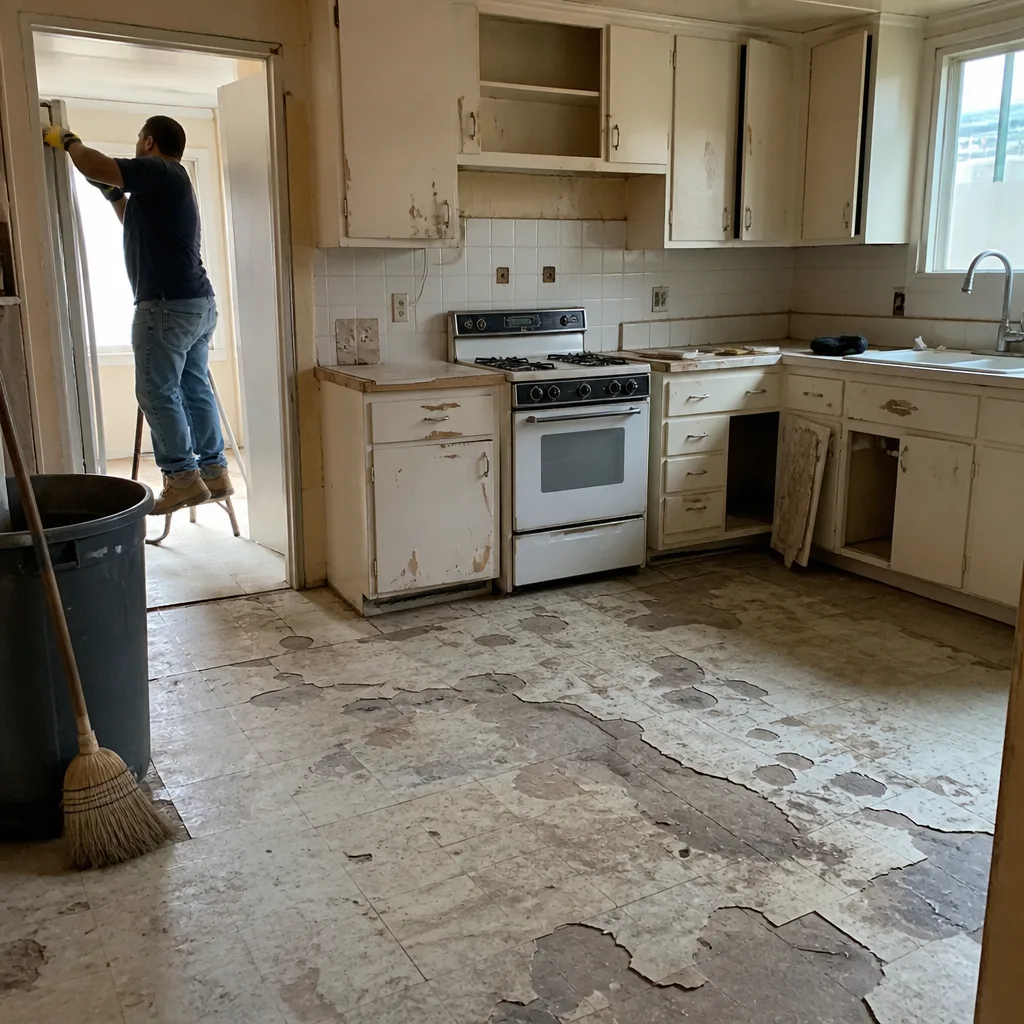 Before
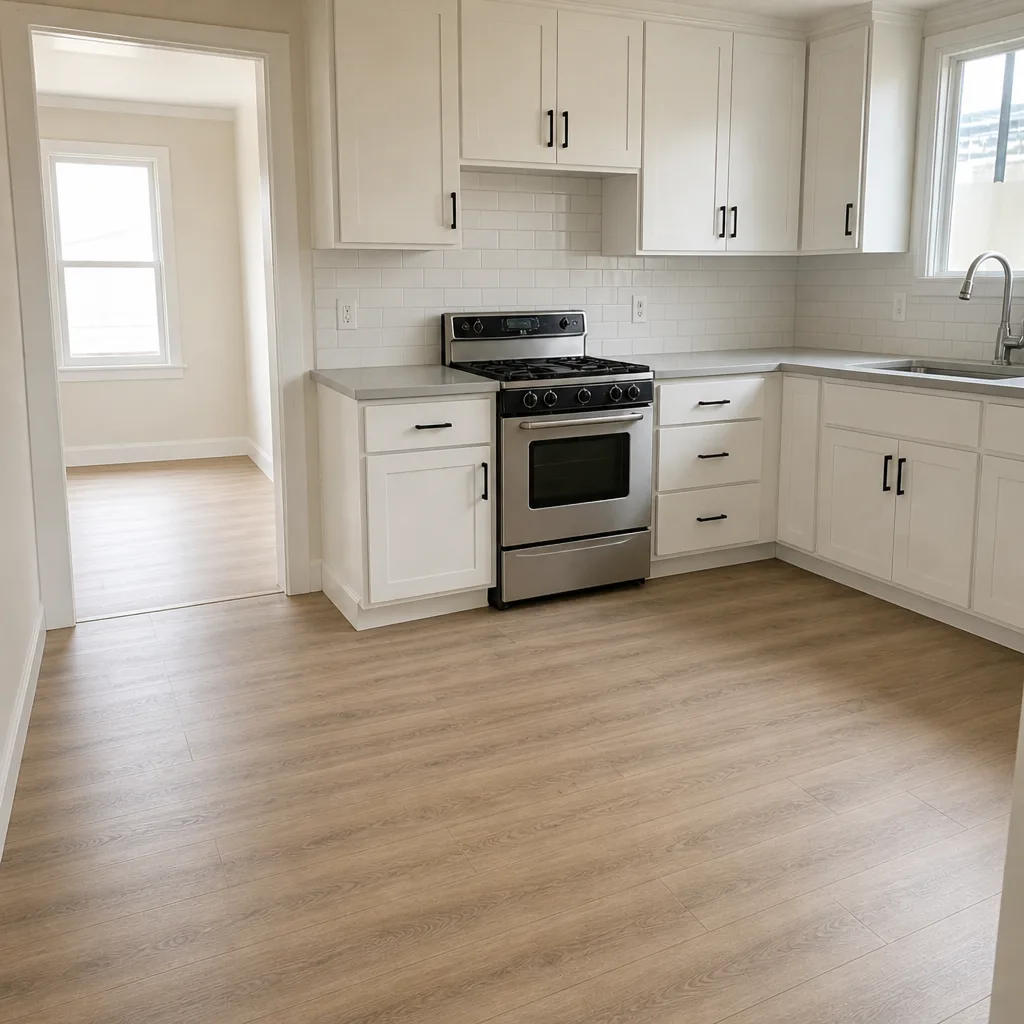 After