
Last updated November 16, 2026
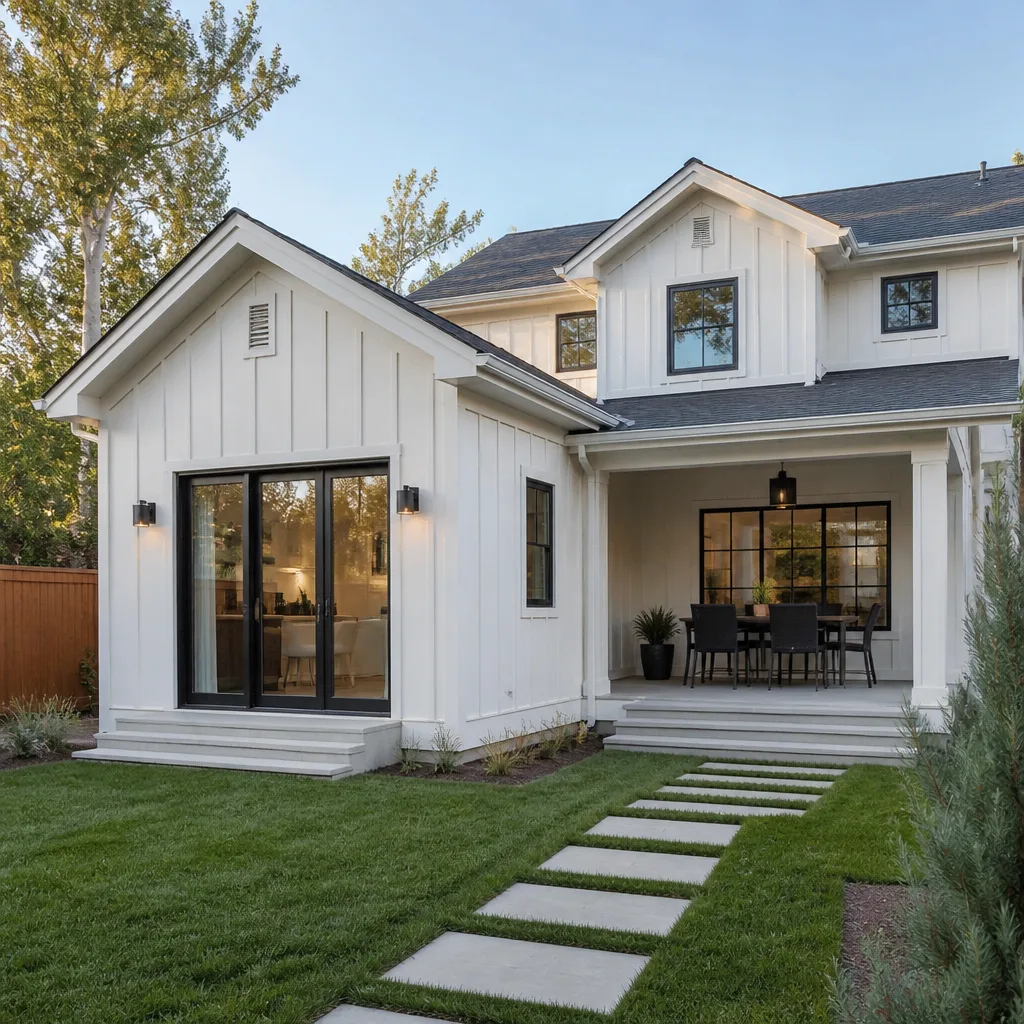 Home additions & ADU
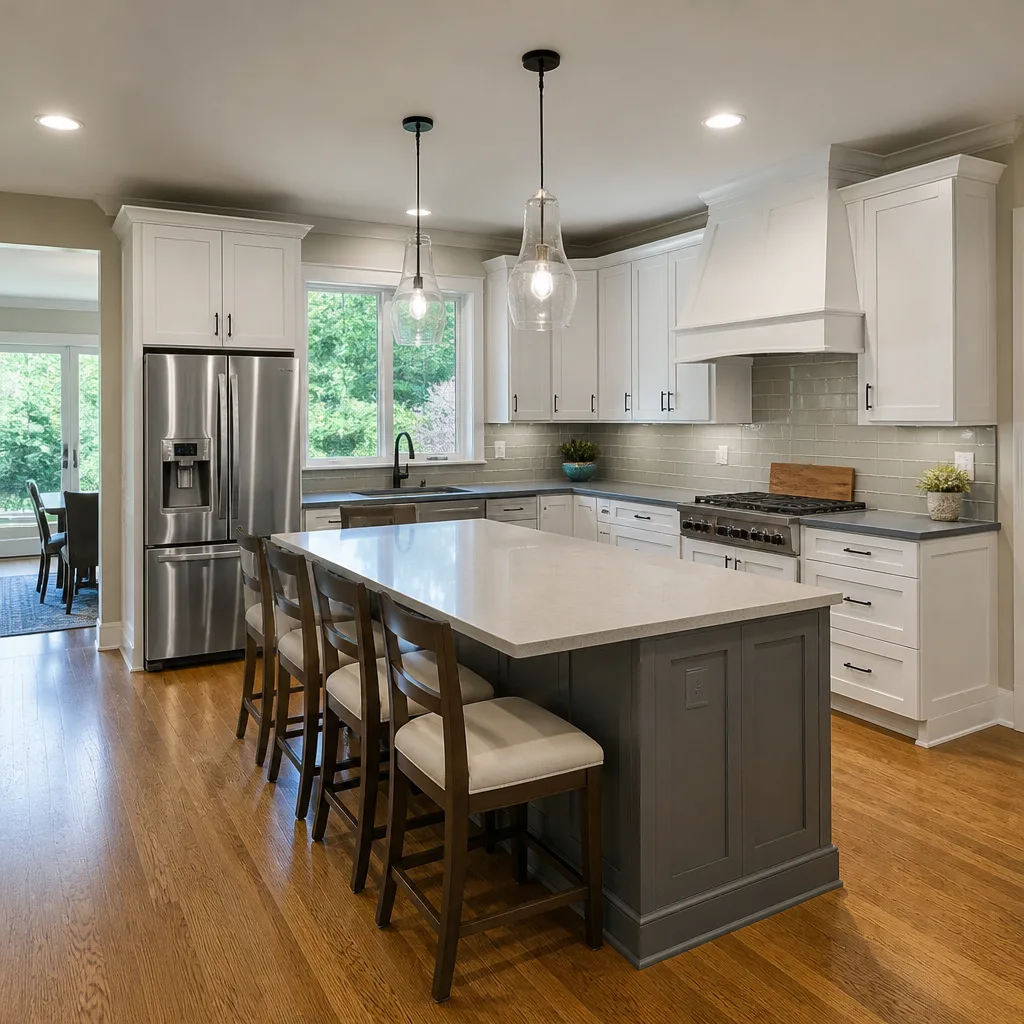 Kitchen remodeling
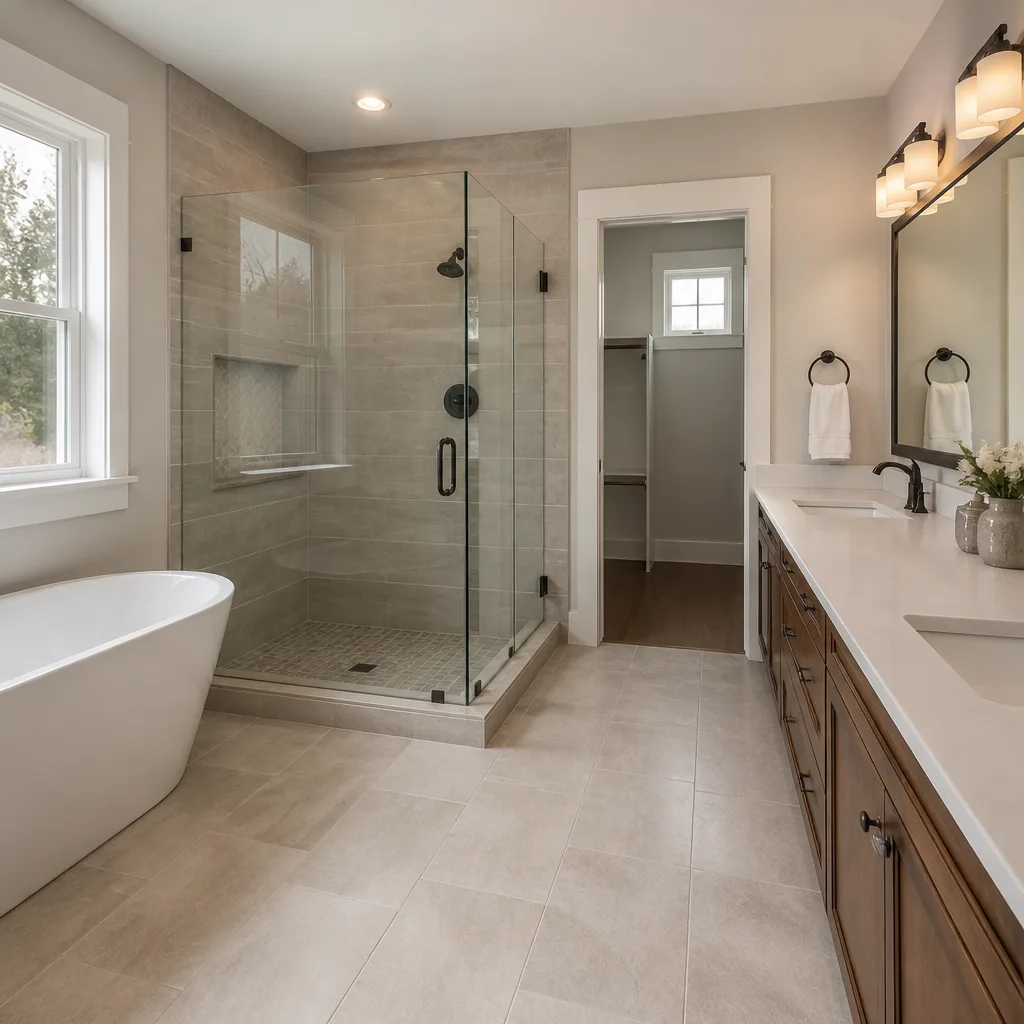 Bathroom remodeling
 Roofing
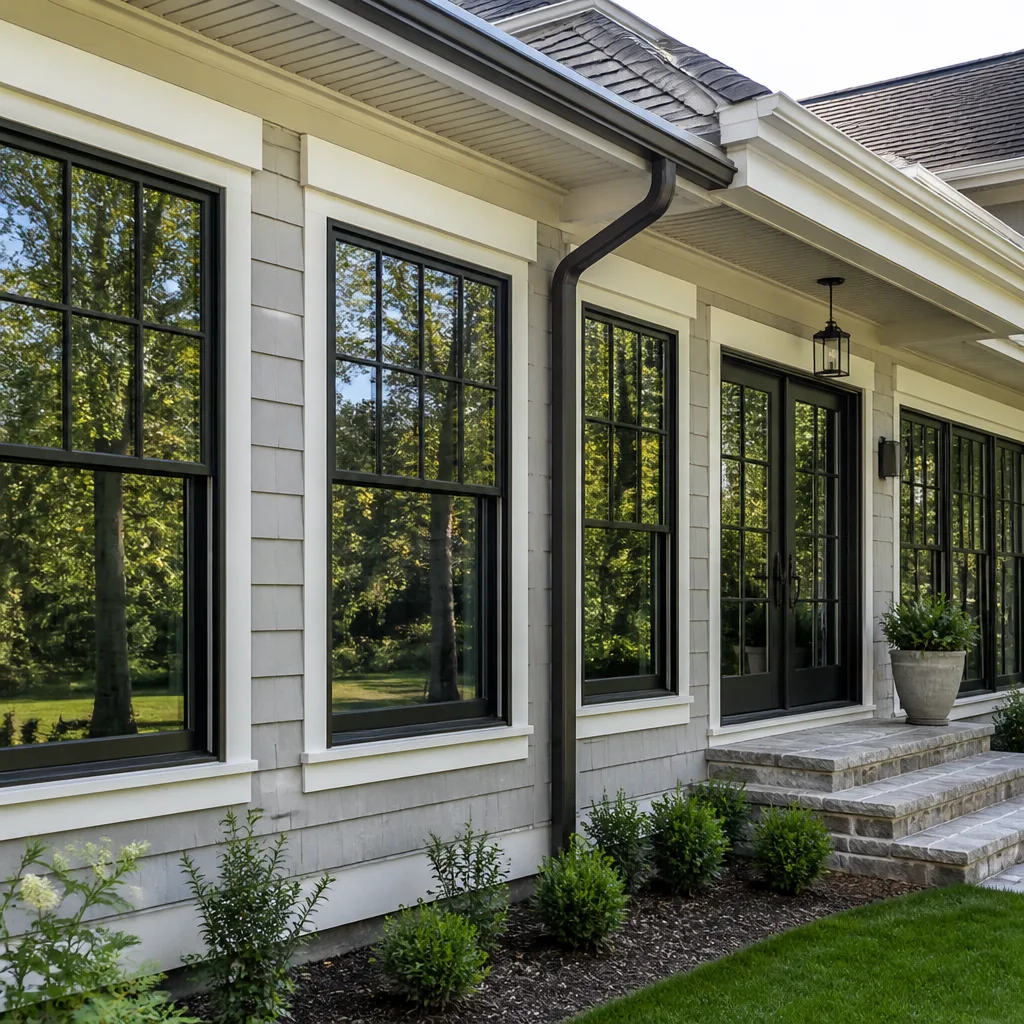 Windows & doors
 Driveway & pavers
 Fence
Free written scope consultation - allowances, timeline, and change-order rules on paper before a single trade is scheduled
DIY vs Professional Construction: The Hayward Homeowner’s Decision Guide
Most homeowners think the DIY-versus-hire decision comes down to skill. It doesn’t. It comes down to permit exposure, liability transfer, and what happens to your home’s title when you sell. In California, structural, electrical, plumbing, or HVAC work done without a permit doesn’t just risk a fine. It can show up as unpermitted work on your title report, which forces disclosure to buyers, drags down appraised value, and in some cases requires demolition to legalize. DIY is free until it isn’t. This guide maps which Hayward projects are genuinely low-risk for a homeowner to take on, and which ones carry hidden professional requirements most people don’t discover until closing day.
Quick Answer
The DIY-versus-hire call in Hayward depends less on your skill than on whether the work touches structure, electrical, plumbing, or gas. Painting, demolition, landscaping, and simple assembly are genuinely DIY-friendly and lower the cost of a larger project. Anything requiring a permit, licensed trade work, or work that changes your home’s footprint needs a licensed professional, because unpermitted work becomes a disclosure and resale problem in California. For projects above roughly a few thousand dollars in scope, the financial risk of doing it wrong usually outweighs the labor you save.
Styles & brands we work with
- Kitchen remodeling
- Bathroom remodeling
- Home additions & ADU
- Roofing
- Windows & doors
- Driveway & pavers
- Fence
Table of Contents
- Why Permit Exposure, Not Skill, Decides Most Projects
- Where DIY Is Genuinely Low-Risk in Hayward
- Projects With Hidden Professional Requirements
- How to Calculate True DIY Cost
- What an Owner-Builder Permit Actually Means in California
- The Insurance Gap Most Homeowners Miss
- Coordinating Your DIY Work With a Contractor’s Schedule
- How DIY Choices Affect Resale in Hayward
Why Permit Exposure, Not Skill, Decides Most Projects
Skill is the wrong lens. A capable homeowner can frame a wall or run a circuit and have it look perfect. What a homeowner can’t easily do is carry the legal and financial exposure that comes with that work. That’s the real dividing line, and it’s why two projects that feel equally “doable” can have wildly different risk profiles.
In California, the permit system exists so that a building department can verify that structural, electrical, plumbing, and mechanical work meets code. When work is done without a permit, it doesn’t disappear. It sits in the house. When you sell, a title report or a buyer’s inspection can surface unpermitted work, and California sellers are legally required to disclose known material facts about the property. That includes unpermitted additions, converted garages, unpermitted electrical, and structural changes.
Here’s what that looks like in practice:
- A buyer’s inspector flags an unpermitted bathroom addition, and the lender won’t fund the loan until it’s legalized or removed.
- A converted garage used as a bedroom needs egress, permits, and a final inspection, or the room can’t be counted as living space.
- An unpermitted electrical panel upgrade can fail a lender’s appraisal review.
Hayward sits in a housing market where buyers and appraisers look closely at permitted square footage, because it directly affects value. That’s why the permit question comes before the skill question. Ask what the work requires, then decide who does it. For structural changes, additions, and anything that alters the home’s footprint, this is where a home additions & ADU specialist earns their keep; a permitted build has a paper trail, and a paper trail protects value.
Where DIY Is Genuinely Low-Risk in Hayward
Plenty of work is honestly DIY-friendly, and pretending otherwise wastes your money. The projects on this list rarely require permits, rarely carry liability that affects your title, and can be done to a high standard by a careful homeowner.
- Interior painting. Cosmetic, reversible, and low-risk. Prep and primer matter more than technique. Hayward’s mild climate means exterior paint holds up reasonably well, though the sun on south- and west-facing walls is the real wear point.
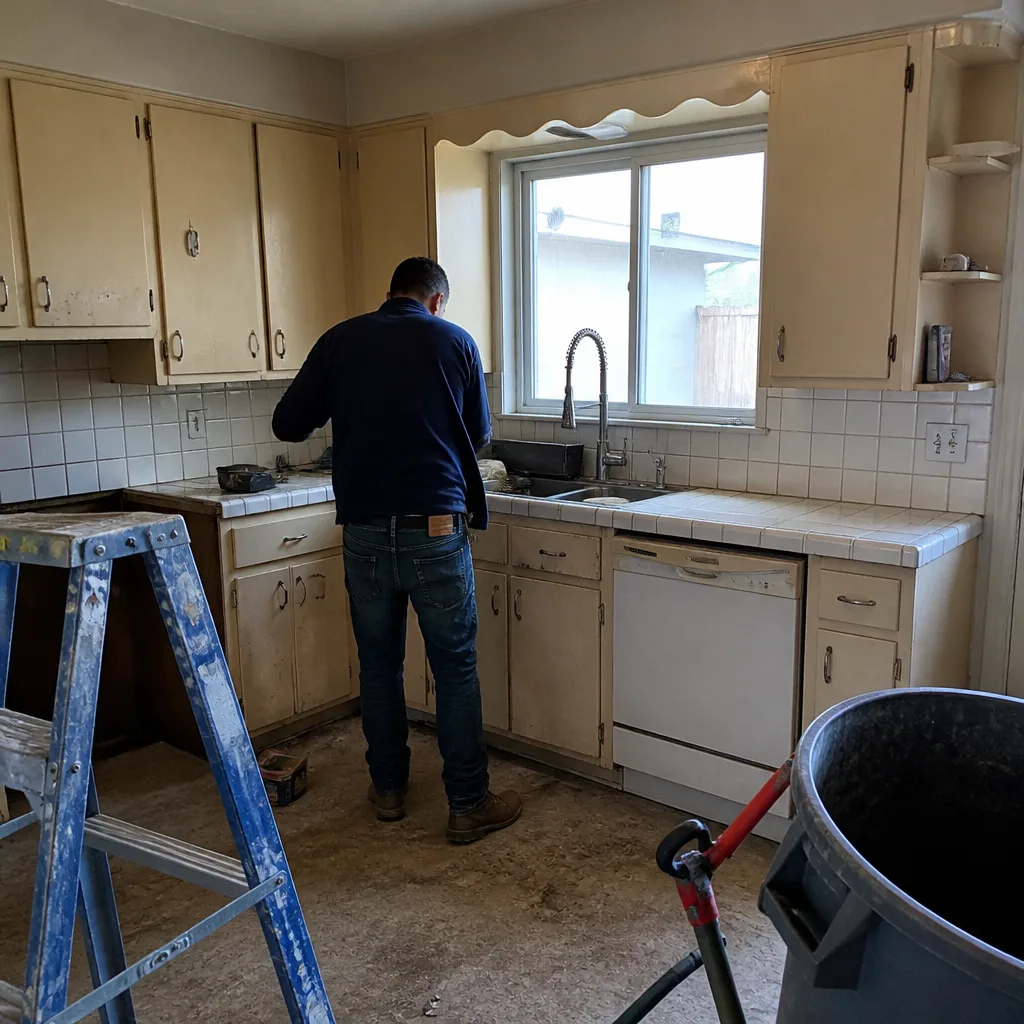
- Demolition for a larger remodel. Pulling cabinets, tearing out old flooring, and removing a non-structural partition are common DIY contributions that knock real hours off a contractor’s bid. Confirm with a contractor that a wall isn’t load-bearing before you swing a sledgehammer.
- Landscaping and yard cleanup. Planting, mulching, sod, and general cleanup are squarely DIY territory. Hardscape like pavers is a different story (more on that below).
- Fence staining and minor repair. Refinishing an existing fence is low-risk. New fence installation in Hayward usually needs a permit and a property-line check, so that’s a hire.
- Simple assembly and finish work. Installing a pre-hung interior door, hanging shelves, swapping light fixtures with no new wiring, and assembling flat-pack items are all fine for a homeowner.
The common thread: cosmetic, reversible, and not structural. If you can undo it without a permit or a contractor, it’s probably safe DIY.
Projects With Hidden Professional Requirements
Some projects look beginner-friendly but carry requirements most homeowners don’t discover until an inspector or a buyer’s agent points them out. These are the ones where the DIY savings evaporate.
- Electrical work beyond swapping a fixture. New circuits, panel work, and anything beyond a direct swap require a licensed electrician and a permit. Panel work is genuinely dangerous, and a mistake can cause a fire. This is not a “watch a video and try it” category.
- Plumbing beyond a faucet swap. Moving a drain, adding a line, or tying into the main requires a permit and a licensed plumber. A small leak behind a wall wrecks more than it saves.
- Gas line work. Any gas work is a licensed-plumber, permit-required job. No exceptions. Gas is not DIY.
- Structural changes. Removing a wall, adding a beam, or opening a ceiling to change the footprint needs engineering, a permit, and inspections. A load-bearing mistake is expensive and dangerous.
- Roofing. A full roof replacement in Hayward needs a permit and is genuinely dangerous work. Climbing a roof and installing underlayment is a fall hazard no savings justify.
- Windows and doors. Replacement usually needs a permit for egress and structural openings, and improper installation causes water intrusion that rots framing.
- New fence installation. A permit and a property-line check are typically required, and getting it wrong can mean tearing it out. That’s why fence installation is usually a hire, not a weekend project.
- Bathroom and kitchen remodels beyond cosmetic work. Once you touch plumbing, electrical, or layout, you’re in permit territory.
If a project is on this list, the honest question isn’t whether you can do it. It’s whether you can do it legally and insurably. Usually, that answer is no.
How to Calculate True DIY Cost
The DIY calculation most homeowners run is “material cost versus contractor quote.” That comparison understates DIY by a wide margin. Here’s the full ledger.
- Material cost at retail versus trade pricing. Contractors buy at trade pricing. Retail material cost is often 15-30% higher than what a contractor pays, and a contractor packages materials into the quote at a comparable rate. That gap widens on bigger jobs.
- Tool rental and purchase. Tile saws, nail guns, scaffolding, and demo equipment add up. A single project can eat hundreds of dollars in rental, and buying tools you’ll use once doesn’t help either.
- Time-to-completion. Value your weekends honestly. A project that takes a contractor one week may take you three, and the disruption has a real cost.
- Probability-weighted rework cost. This is the part people skip. Estimate the chance you’ll fail an inspection or need to redo a section, then multiply by the cost of the fix. A 30% chance of an inspection failure on a $6,000 job carries a real expected cost of $1,800 or more, on top of the original work.
- Permit and inspection fees. If the work needs a permit, the fee applies whether you or a contractor pulls it.
- Insurance and resale exposure. Unpermitted or unlicensed work can void parts of your homeowner’s policy and create a disclosure problem when you sell. That has a dollar value, even if it’s hard to see today.
Add those lines honestly and the DIY-versus-hire gap narrows on most jobs and flips the other way on structural, electrical, plumbing, and gas work. The projects where DIY still wins clearly are cosmetic ones.
What an Owner-Builder Permit Actually Means in California
This is the most misunderstood part of DIY construction in California. An owner-builder permit lets you obtain a permit in your own name as the property owner. It does not mean you can perform licensed trade work yourself.
Here’s the truth in plain terms:
- An owner-builder permit is for a homeowner doing permitted work on their own residence, not a business arrangement.
- It does not exempt you from trade licensing. Electrical, plumbing, and gas work still require a licensed professional in most circumstances.
- It transfers the liability to you. If something fails, you carry it. There’s no contractor warranty, no licensed installer behind the work, and no third party to hold accountable.
- It doesn’t make the work legal at resale if it was done wrong. Permits and inspections still have to pass.
- It can complicate insurance. More on that below.
In other words, pulling an owner-builder permit is a liability decision, not a permission slip. It says “I’m taking responsibility,” and it does so in a way that most homeowners don’t fully appreciate until a claim is denied or a buyer walks. If you’re considering one, talk to a licensed contractor and your city’s building department before you do.
The Insurance Gap Most Homeowners Miss
Standard homeowner’s insurance policies commonly exclude damage caused by unpermitted or unlicensed work. Read that again. It means the fire from a DIY electrical mistake, or the water damage from unpermitted plumbing, may not be covered at all.
This is the part homeowners miss because it’s invisible until it isn’t. You pay your premiums, you do the work yourself, and you assume the policy covers you. It may not, and the reason usually isn’t the mistake itself. It’s that a claim investigation can find unpermitted work behind the damage.
What that looks like:
- A kitchen fire traced to wiring installed without a permit may be denied or reduced.
- Water damage from unpermitted plumbing can trigger a coverage dispute.
- Structural damage from unpermitted work can complicate the claim.
When you hire a licensed and insured professional, the work carries a licensed installer, a warranty, and a clean permit trail. That’s the transfer of liability. It’s not a slogan. It’s the actual financial reason to hire.
Coordinating Your DIY Work With a Contractor’s Schedule
The best way to use DIY on a larger project isn’t to compete with the contractor. It’s to remove tasks from the critical path and make the professional work go faster. Handle these yourself and you lower cost without adding risk.
- Demo before the contractor arrives. Empty the space, pull the cabinets, remove old flooring. This saves labor hours and clears the work area.
- Do the painting before finishes go in. Fresh paint goes on the walls before cabinetry, countertops, or fixtures. Painting early keeps finished surfaces clean.
- Keep landscaping and exterior work separate. If the project includes a new driveway or patio, let the driveway & pavers crew work after you’ve cleared the yard. Don’t overlap DIY landscaping with a hardscape install.
- Don’t touch the permit work. Once the contractor is pulling permits and scheduling inspections, hands off. Inspectors want to see the installer’s work, not a hybrid you did yourself.
- Coordinate access and material delivery. Be ready when materials arrive. Contribute the coordination work so the crew’s time goes to the actual build.
Good communication is the whole game here. Tell your contractor what you’re handling and when. A written schedule with your tasks marked keeps the project on track and stops surprises.
Hayward homeowners who are already weighing the full scope of a project may find that one contractor handling the entire envelope, from the exterior to the kitchen, is easier than coordinating a dozen separate bids. We’ve seen that single-accountability model make the schedule, warranty, and permit trail far simpler. Our technicians have up to 11 years of experience across the trades.
How DIY Choices Affect Resale in Hayward
Unpermitted work is a resale problem. California sellers disclose material facts, and unpermitted additions, unpermitted electrical, and converted garages are material. Here’s how it plays out when you sell.
- Lenders get nervous. An appraiser who flags permitted square footage that doesn’t match reality can hold up financing.
- Buyers discount. An unpermitted addition reads as “fix this later” to a buyer, and the discount is usually more than the cost of doing it right the first time.
- Legalization can mean demolition. Sometimes the only path to legal is tear-out and rebuild, which is brutal on a home you already paid to improve.
- Permitted work adds value. A permitted bathroom, kitchen, or addition counts toward living space and appraised value. It’s a cleaner story for the buyer.
Hayward’s mild climate means outdoor and exterior work does hold up, which is why a permitted deck, patio, or driveway holds value. That’s the case for a hardscape done right. If you want the exterior and interior under one contractor, we cover both from a single contract, and Construction Hayward is where the full scope lives.
Common Mistakes to Avoid
- Assuming you know the permit rules. Every project category has different requirements, and Hayward’s rules go through the city’s building department. Verify before you buy materials. The rules matter more than your confidence.
- Confusing an owner-builder permit with a license. It gives you the permit in your name. It doesn’t let you do licensed electrical, plumbing, or gas work yourself.
- Skipping the insurance check. Call your insurer before DIY work that touches systems. Confirm what’s covered. Many policies exclude unlicensed and unpermitted work, and you don’t want to find out after a claim.
- Underestimating the true cost. The retail-to-trade material gap, tool rental, rework probability, and resale exposure are real. Add the full ledger, not just the sticker on the materials.
- Starting demo without a plan. If the contractor hasn’t confirmed what’s load-bearing or what stays, demo can wreck something expensive. Get the plan first.
- Letting DIY work overlap permit work. Inspections want to see the installer’s work. Hybrid DIY-and-contractor construction on a permitted job creates disputes and do-overs.
- Ignoring the resale trail. Every unpermitted project becomes a disclosure line. Ask yourself whether you’d want to explain it to a buyer.
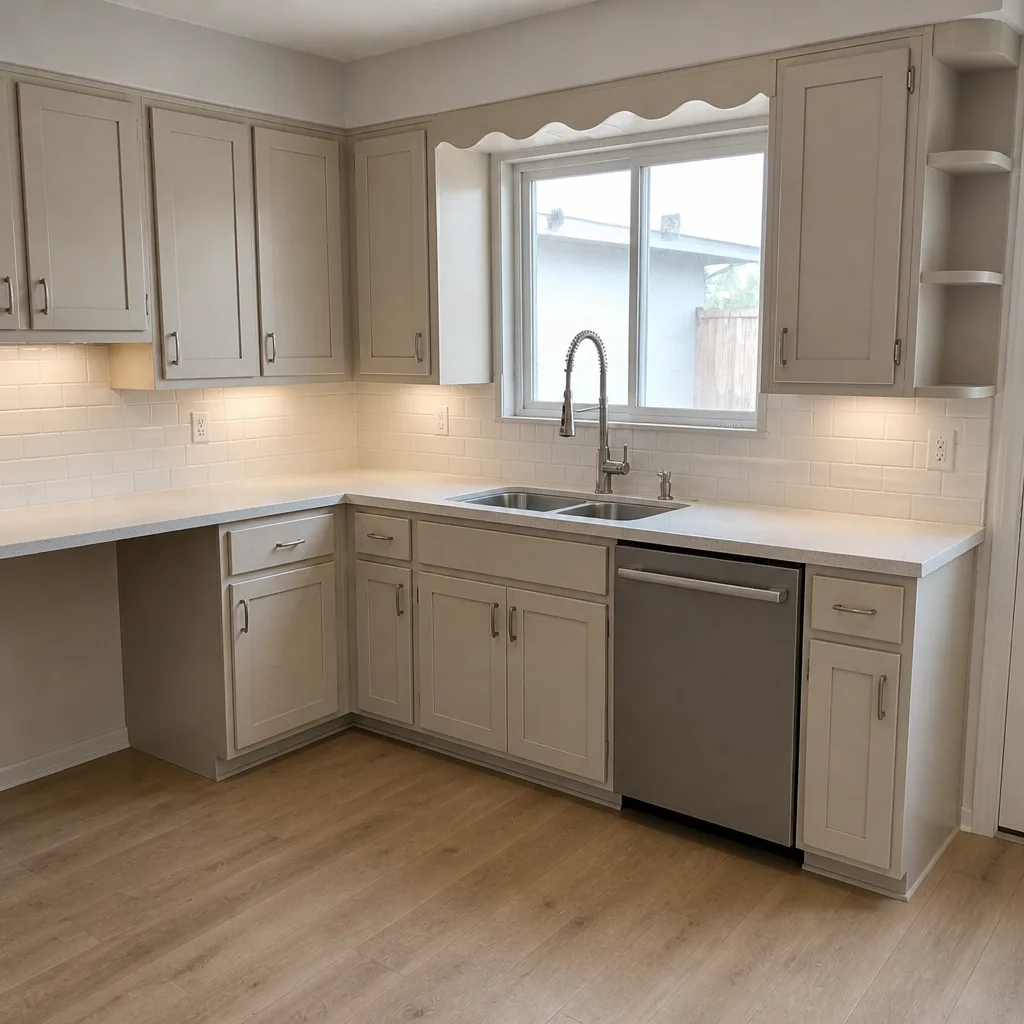
See the difference
 Before
 After
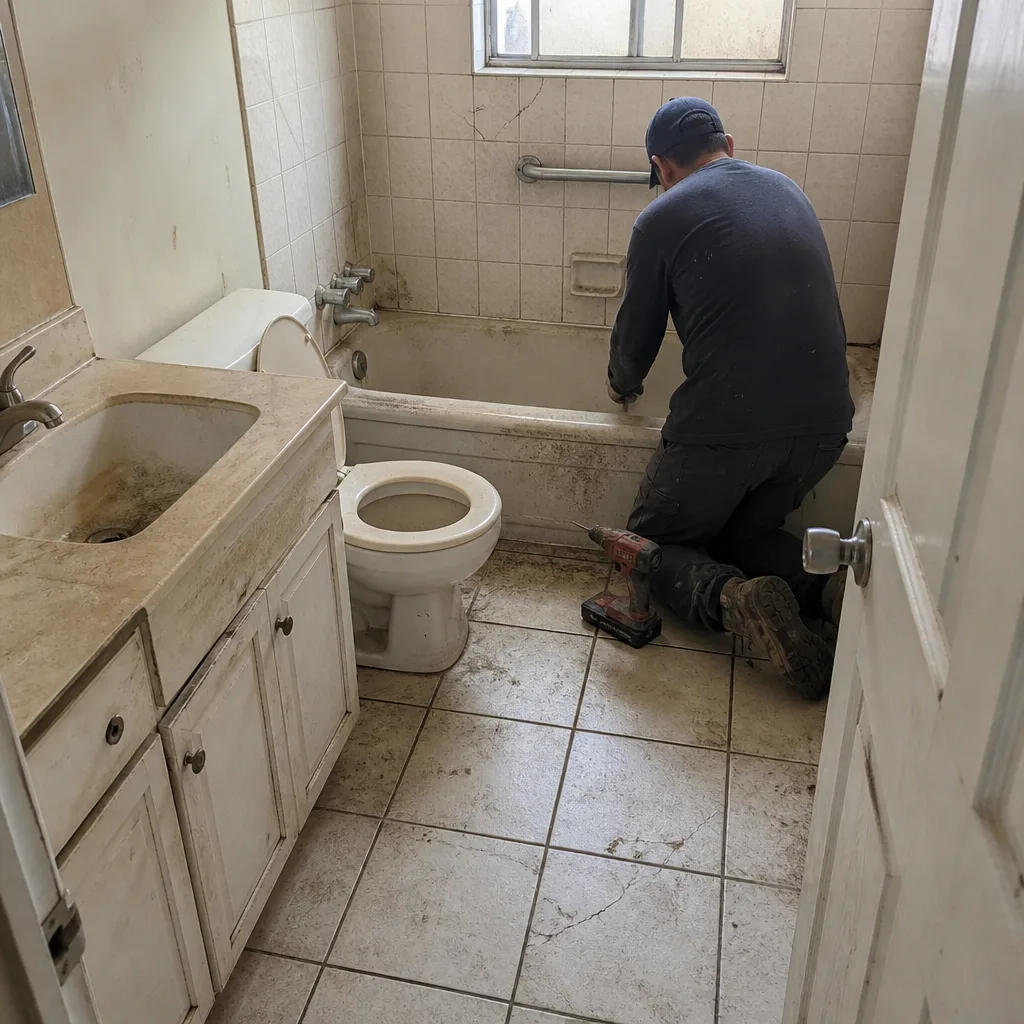 Before
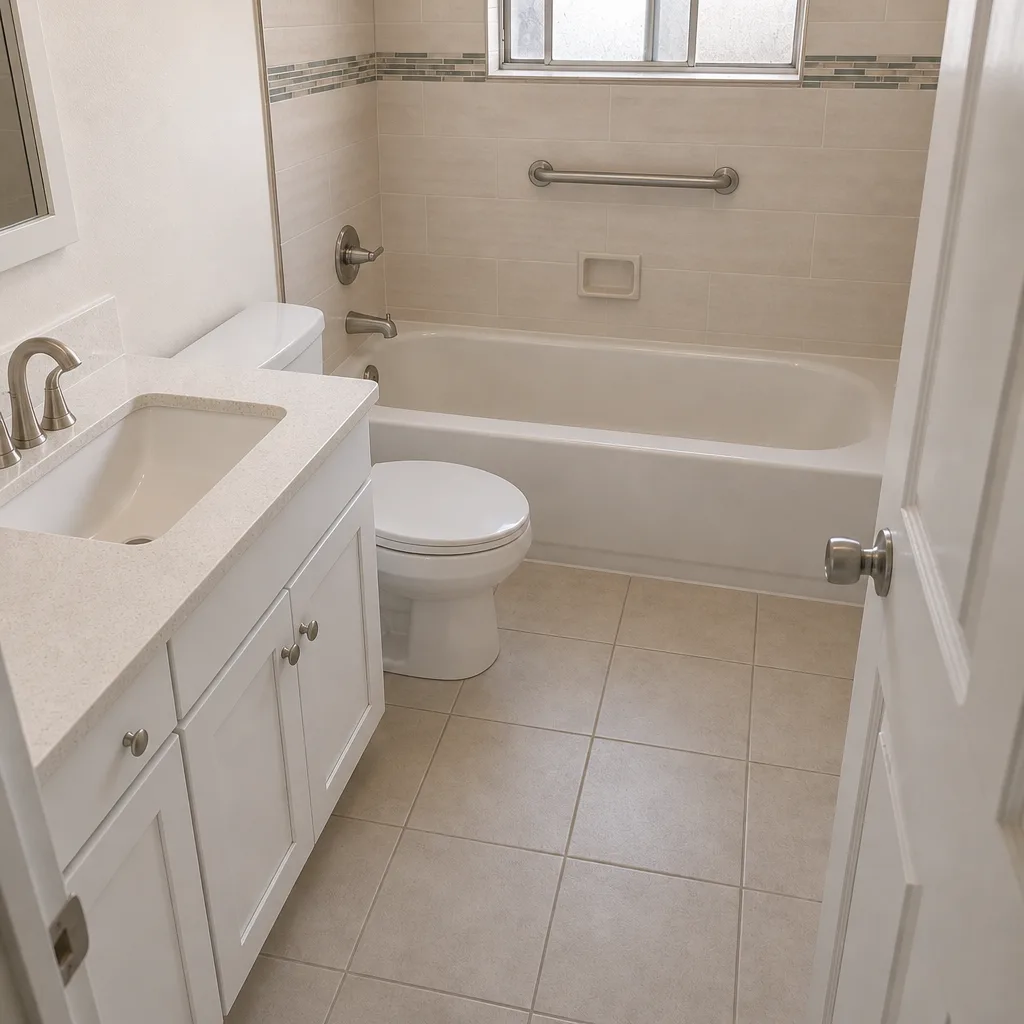 After
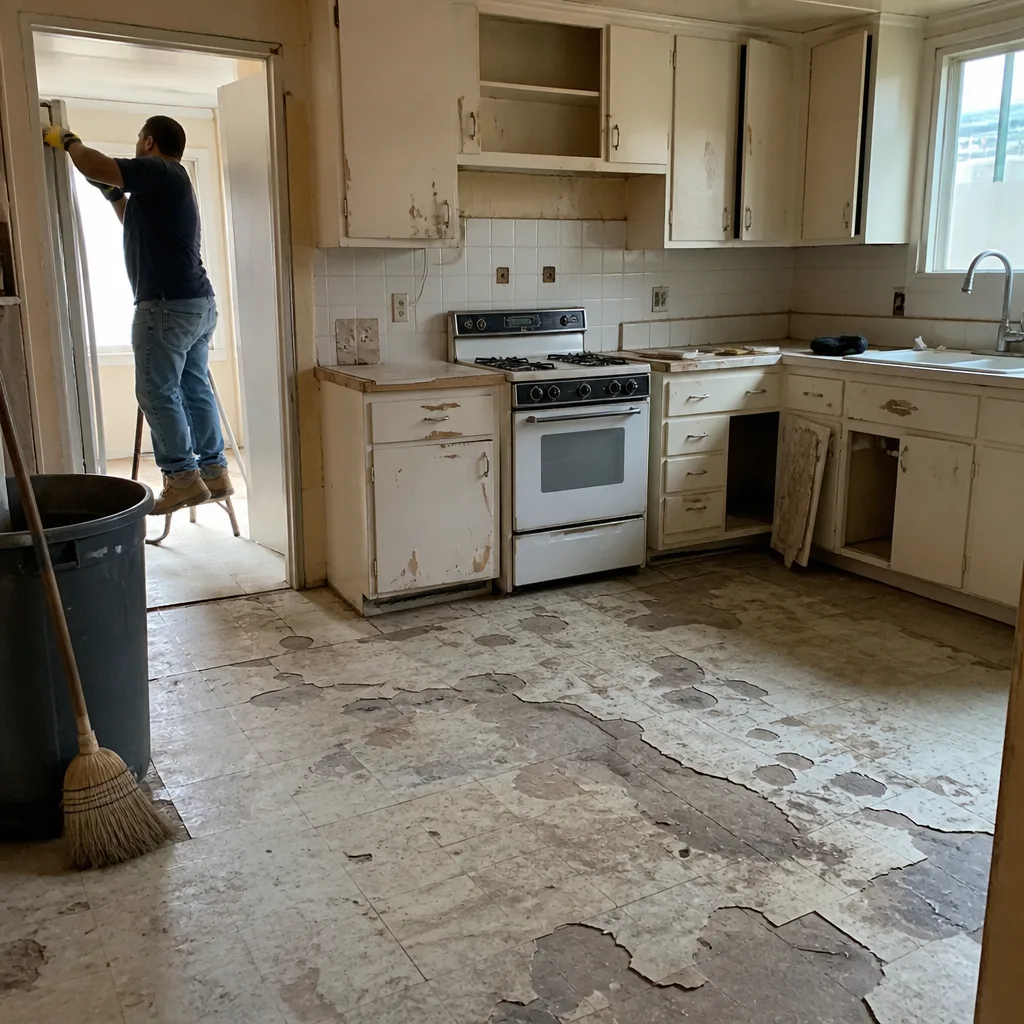 Before
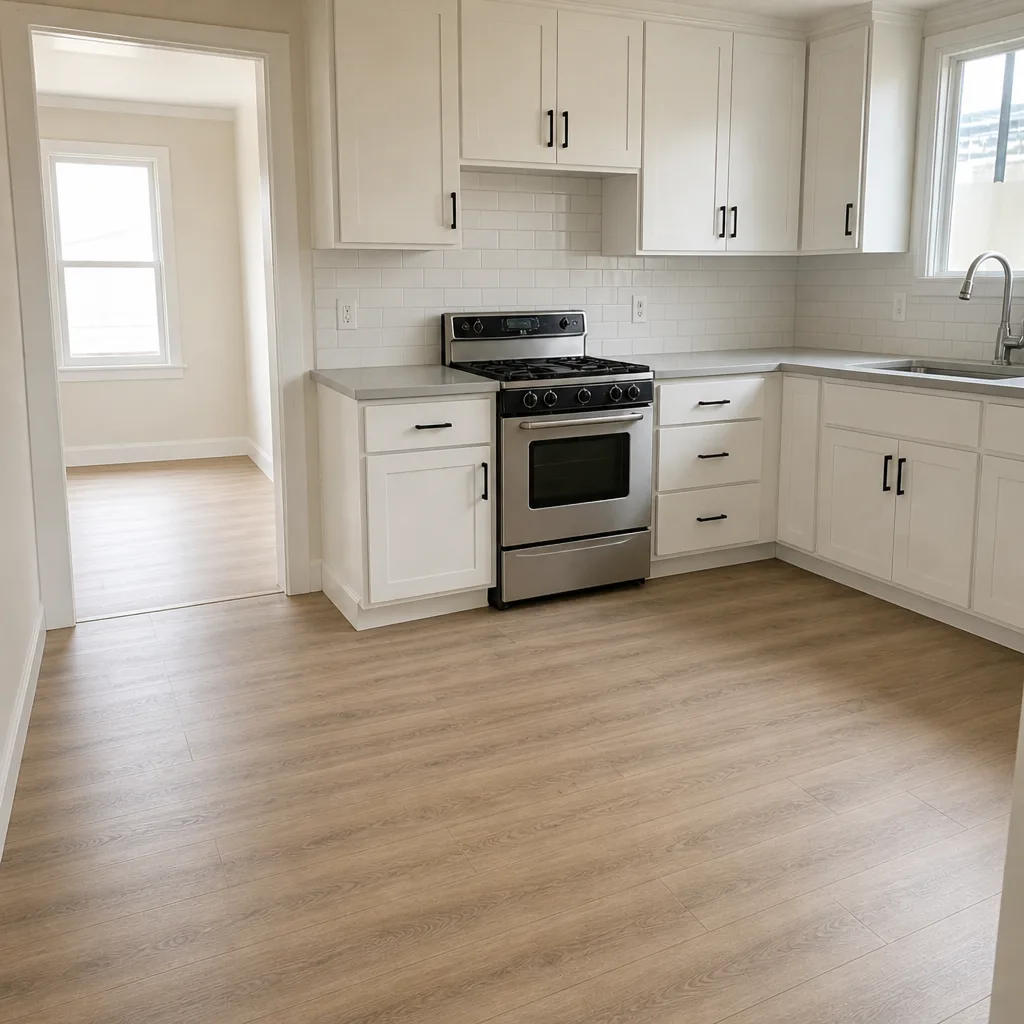 After
When to Call a Professional
Call a professional when the work touches structure, electrical, plumbing, or gas, and when the project needs a permit. That covers additions, ADUs, bathroom and kitchen remodels that change layout or systems, roofing, window and door replacement, new fences, and hardscape. It also covers anything you expect to count toward your home’s value at resale. Our technicians have up to 11 years of experience, and we can work with your insurer. Construction Hayward offers free estimates in Hayward; call (833) 510-5312.
Frequently Asked Questions
Only very simple swaps, like replacing a light fixture with no new wiring, are generally safe for a homeowner, and anything beyond that requires a licensed electrician and a permit. Panel work, new circuits, and rewiring are genuinely dangerous and can invalidate your insurance. Call (833) 510-5312 for a free estimate.
It means the permit is issued in your name as the property owner, and you take on the liability for the work. It does not let you perform licensed trade work yourself. Electrical, plumbing, and gas work still require a licensed professional. Call (833) 510-5312 to talk through what your project actually needs.
It can. Many policies exclude damage caused by unpermitted or unlicensed work, so a fire from DIY electrical or water damage from DIY plumbing may not be covered. Check with your insurer before you start. Call (833) 510-5312 for an estimate on doing it with a licensed professional.
The rework itself is the big cost, and it can run into the thousands for structural, electrical, or plumbing corrections. The real sting is the delay: a failed inspection holds the project until it’s corrected and re-inspected. Call (833) 510-5312 for a free written estimate that includes the permit and inspection work.
Yes, demo is one of the highest-ROI DIY contributions on a larger project. Pulling cabinets, tearing out old flooring, and clearing a space saves real labor hours. Confirm with a contractor that no wall is load-bearing first. Call (833) 510-5312 to plan the demo and the rebuild together.
It can, because California sellers must disclose material facts, and unpermitted work can stall a lender’s appraisal or force a discount. Some cases require legalization or demolition. The permit trail from a licensed contractor protects value. Call (833) 510-5312 for a free estimate.
The Bottom Line
The DIY-versus-hire decision in Hayward comes down to three things: whether the work needs a permit, whether it transfers liability, and how it affects your home at resale. Painting, demo, and landscaping are genuinely DIY-friendly and lower your cost. Structural, electrical, plumbing, gas, roofing, and permit work belongs with a licensed professional. The owner-builder permit doesn’t change that, and the insurance gap makes it clear why. Calculate the full cost, not just the sticker. We answer 24/7. Fast dispatch from 7am to 7pm, Sunday through Friday. Call (833) 510-5312 for your free estimate.
Written by the team at Construction Hayward.